

Hello Sicovecas! You are based in Indonesia, in Yogyakarta. Were you born there and did you grow up there?
Yes, I was born and raised in Yogyakarta, or Jogja as we usually call it.
Can you tell us something about your childhood? How did you grow up?
I grew up in a strict Catholic family and spent most of my childhood in the church community – from being a Sunday school kid to eventually becoming a Sunday school teacher. I also attended a private school where religion was part of everyday life. Since Catholics make up only around 3% of Indonesia’s population, my dad believed the church was the safest place for me to grow up, and his strict discipline shaped the way I was raised.
Are there any artists in your family?
No, I’m the only artist in my big family.
Did you draw/paint as a child?
Not really. Instead, I loved reading the Bible, especially the Old Testament. I think those stories really expanded my imagination. LOL. They’re so bizarre, dramatic, and whimsical.
How and when did you discover style writing/graffiti?
When I was 15, my mum and some of her female colleagues were sexually harassed by their boss. She led the group and brought the case to court. But it backfired – under Indonesia’s defamation law, she was sentenced to one year in prison.
Around that time, I was having suicidal thoughts. One day I went to an abandoned unfinished hotel next to my school, planning to jump from the top. Then I realised my mum wouldn’t even be able to attend my funeral because she was in prison.
While I was up there, I saw a few friends from school trying spray paint for the first time. I joined them. My first tag was SICK, representing what I felt was a sick society.
After that, I kept tagging all over the city. I started sleeping on the streets or at friends’ houses because I didn’t want to go back home to my dad. The street (and everything that came with it) kept me alive.
When did you began with graffiti writing yourself?
I started tagging in 2005, then a year later did throw ups and pieces.
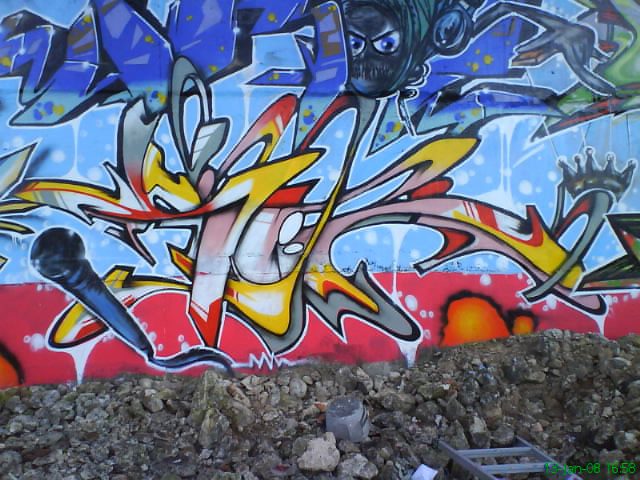
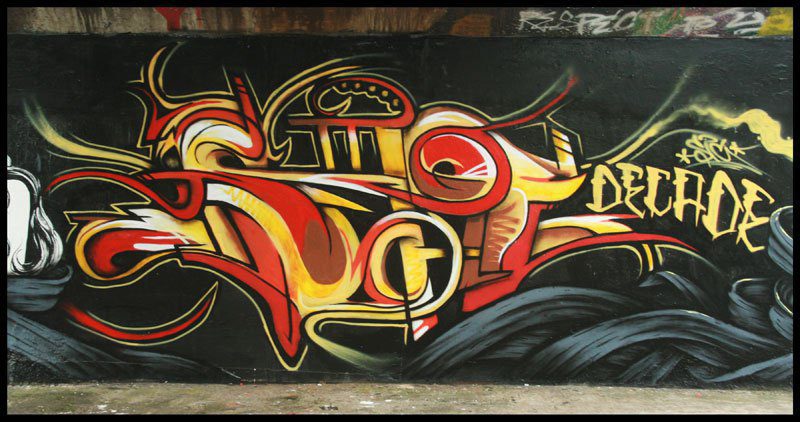
Was graffiti writing already very present in Indonesia when you started? How was the scene then, and how is it now?
The first generation of graffiti writers emerged in Jakarta in the early 2000s. Many of them had studied or travelled abroad and brought back graffiti magazines and the classic American graffiti culture – painting walls with cars parked nearby and hip-hop blasting from a boombox.
In Yogyakarta, though, graffiti grew out of the underground hip-hop and punk scene. We hung out on the streets, painting the city after midnight with our BMX bikes. We couldn’t afford many spray cans, so we used cheap wall paint and mixed our own pigments. Our scene was very DIY.
I even heated up a needle to modify spray caps and create different spray effects. Later, when L’Atlas visited Yogyakarta, he left us a bunch of male caps. Since we only had male valves on our cans, we literally cut our original caps in half to make them work. We called it “the cannibal cap.”
Today, I’d say Jakarta and Yogyakarta have the most active graffiti scenes in Indonesia, but they each have a distinct character. Jakarta is known for bombing and rappelling, shaped by its dense urban landscape and fast pace. Yogyakarta, on the other hand, has a more laid-back and community-driven ecosystem. Painting during the daytime is completely normal, different generations regularly paint together, and the scene stays closely connected. I think the character of each city’s graffiti culture has naturally been shaped by the environment it grew out of.
With what names did you start?
I started with SICK, then eventually dropped the “K” and became SIC. At first, SIC was a way of burying the trauma surrounding my mum. Over time, it took on a new meaning: As I See.
How important was tagging for you? And what about throw-ups?
I’ve always been a tagger. Back then, painting a full piece was really expensive, so tagging was the most effective way to get your name out there.
I did throw-ups whenever I was bombing with friends, but when I painted alone, I naturally gravitated towards abstract shapes that could be finished almost as quickly as a throwie.
Were you active in any crews?
Yes, I was part of four different crews over the years. These days I don’t really feel the need to represent any of them. I’d rather represent my country.
Any particular style or writers influenced you in the beginning?
My first crew, FSK, was all about bombing. We actually started it after watching a PUREHATE and WHOLE TRAIN video. We were so inspired that around 2007 we even painted a few trains in town. Later on, I became more interested in developing pieces.
Which styles did you prefer: Block letters, Wild style, 3D style? Looks like you liked Wildstyle?
I tried everything, but Wildstyle always stole my heart.
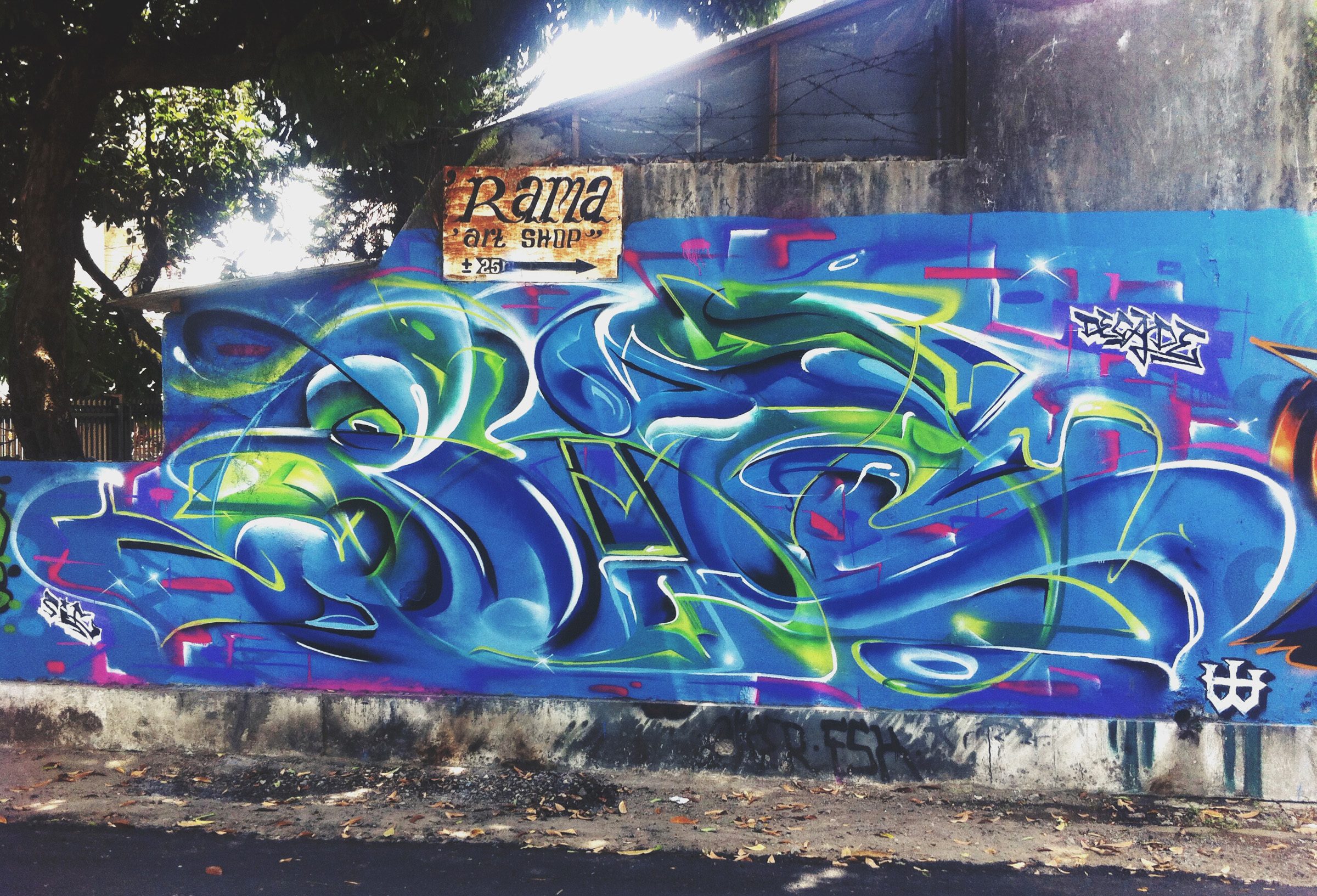
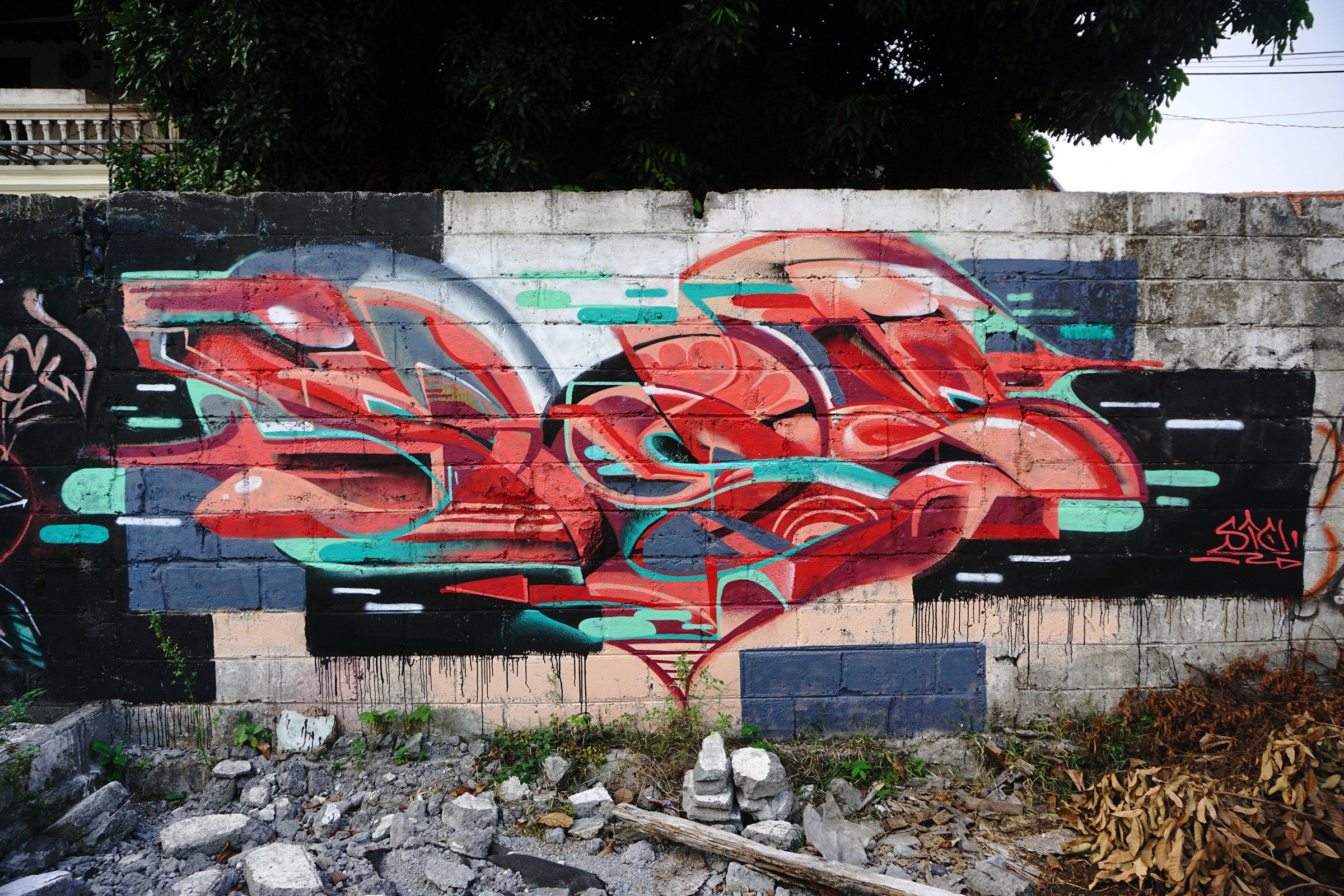
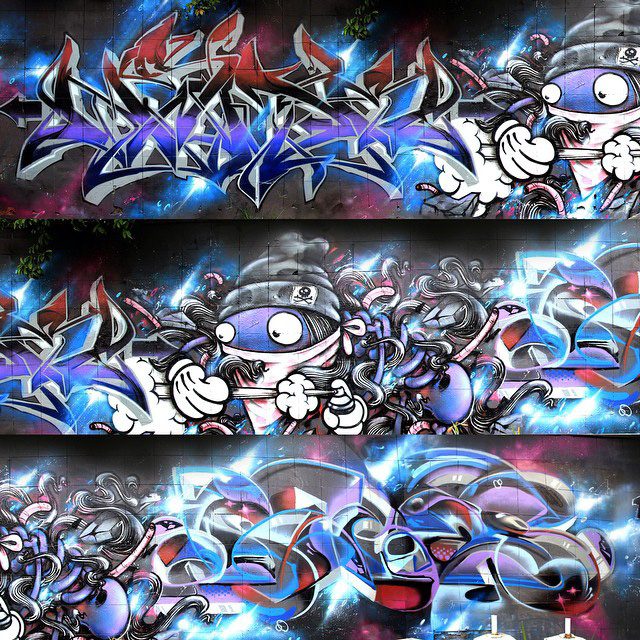
Can you describe your style in the beginning?
Like a kid exploring a candy store – I wanted to try everything. Before the internet, graffiti magazines were pretty much our only source of knowledge, so whenever I got my hands on one, I’d study every page and experiment with every style I saw.
Did you paint characters as well?
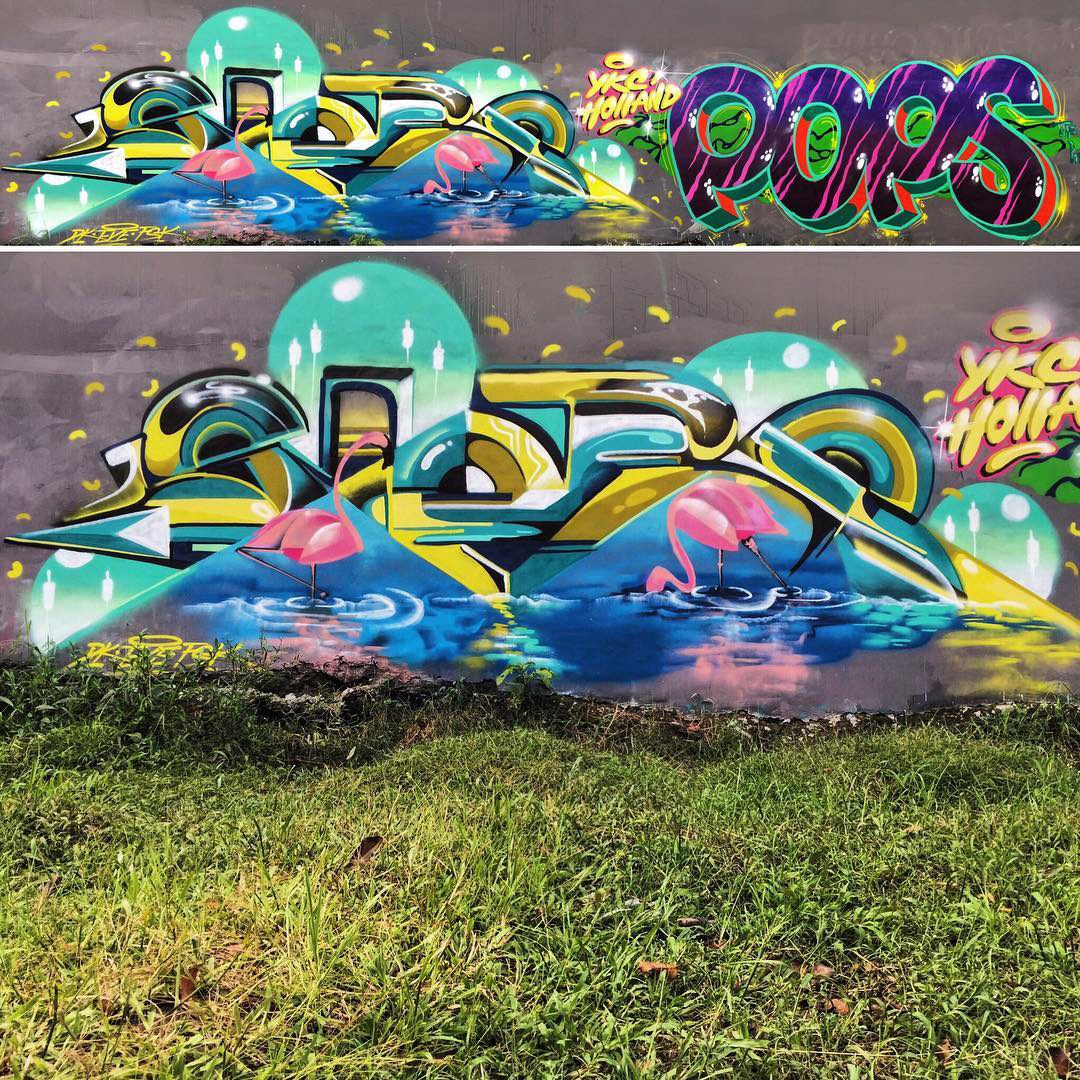
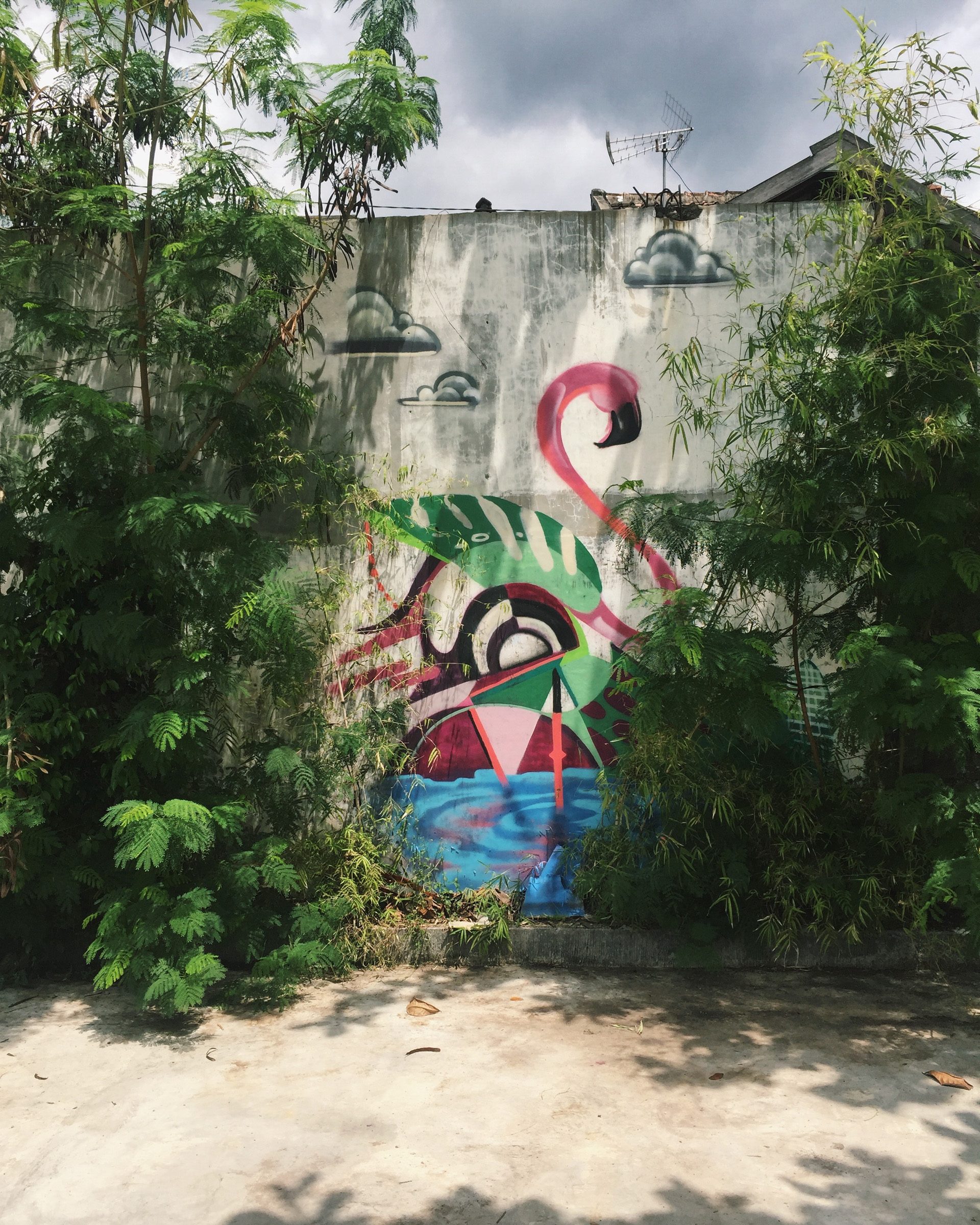
I did. Around 2017, I started painting flamingos integrated into my pieces. Looking back, those works feel very summery because that was the beginning of my travels across the Indonesian islands.
Where did you go paint at that time?
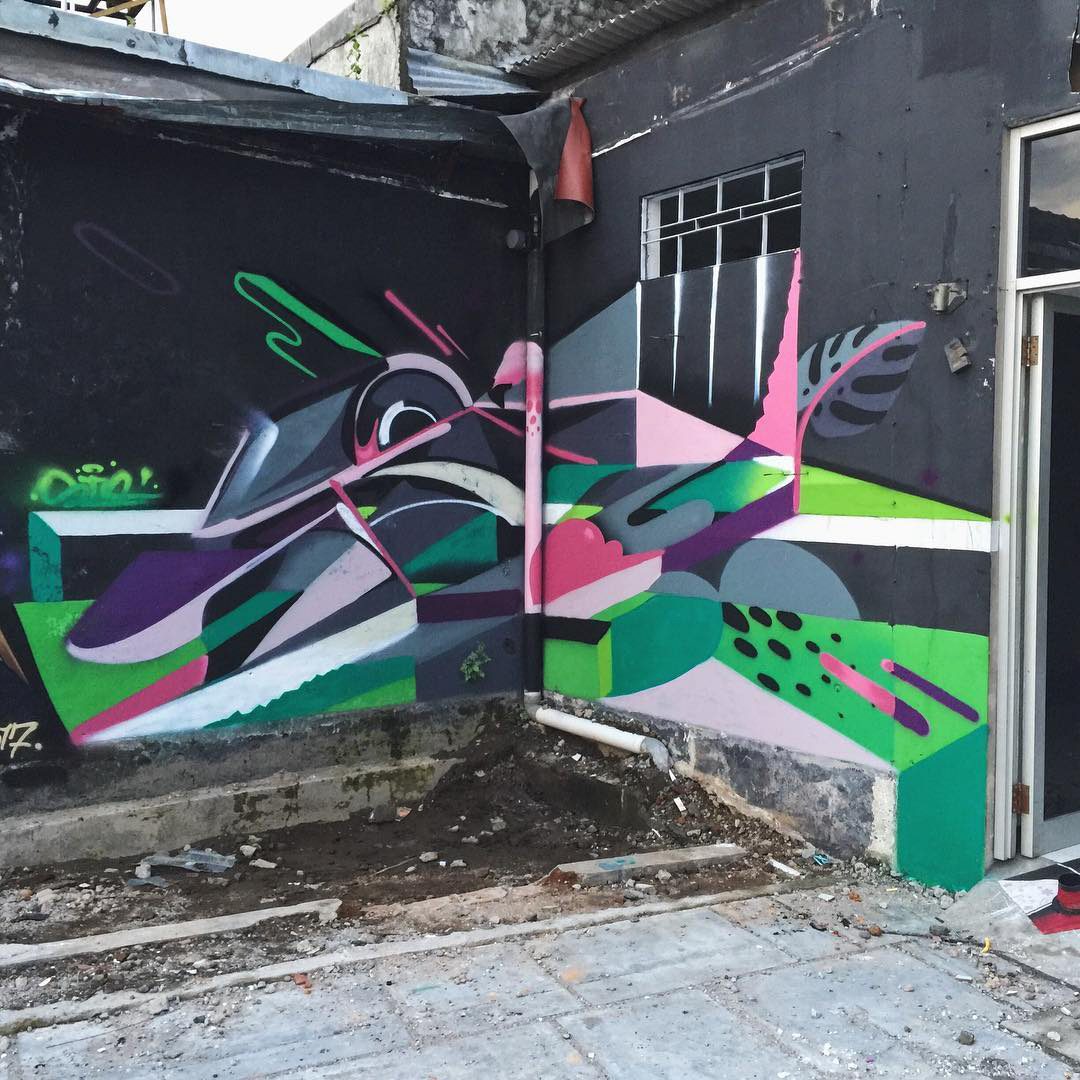
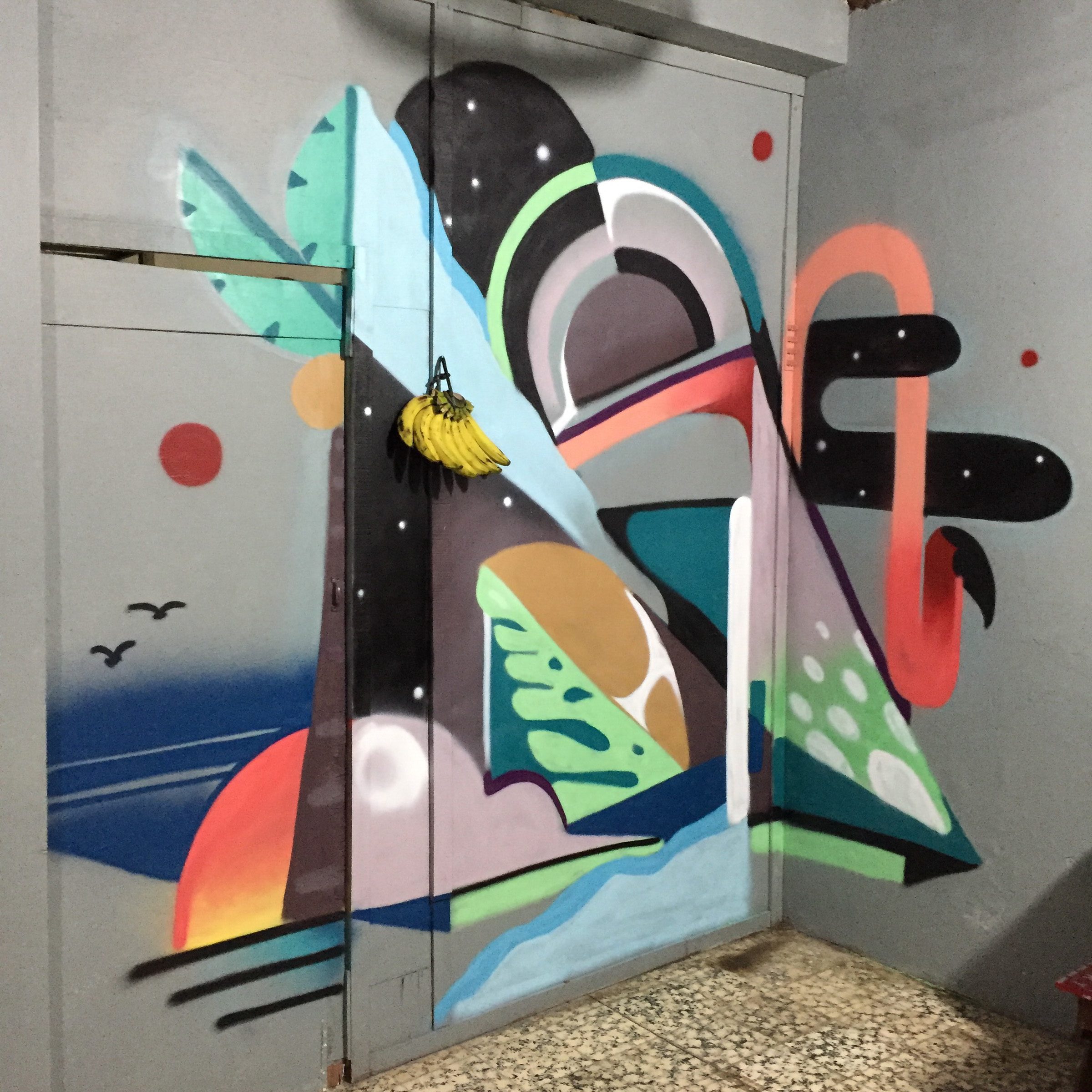
Mostly around Yogyakarta, and some remote islands where I travel.
Did you study after school? If yes, did these studies influence your current practice?
Because of graffiti, I dreamed of studying at ISI Yogyakarta, Indonesia’s most prestigious art university. But my dad insisted I study Information Technology instead. He believed the future belonged to programmers, and to be fair, he wasn’t wrong. The world does need technology.
The problem was, he never wanted to hear that I wanted to become an artist.
Since when do you use the moniker Sicovecas, and does the name mean something?
Around 2018–2019. Before that, I painted under the names SIC and OVERCAST. “Overcast” described a grey sky just before it rains. That was how I felt whenever I thought about my mum. Later, I combined the two names into SICOVECAS and started using the tagline “Son of the Sun.“ At some point, I realised I didn’t want to carry only the darkness any more. I wanted to carry my mum’s warmth and strength, then become a light for other people. Since then, painting outdoors has become my way of searching for warmth through human connection.
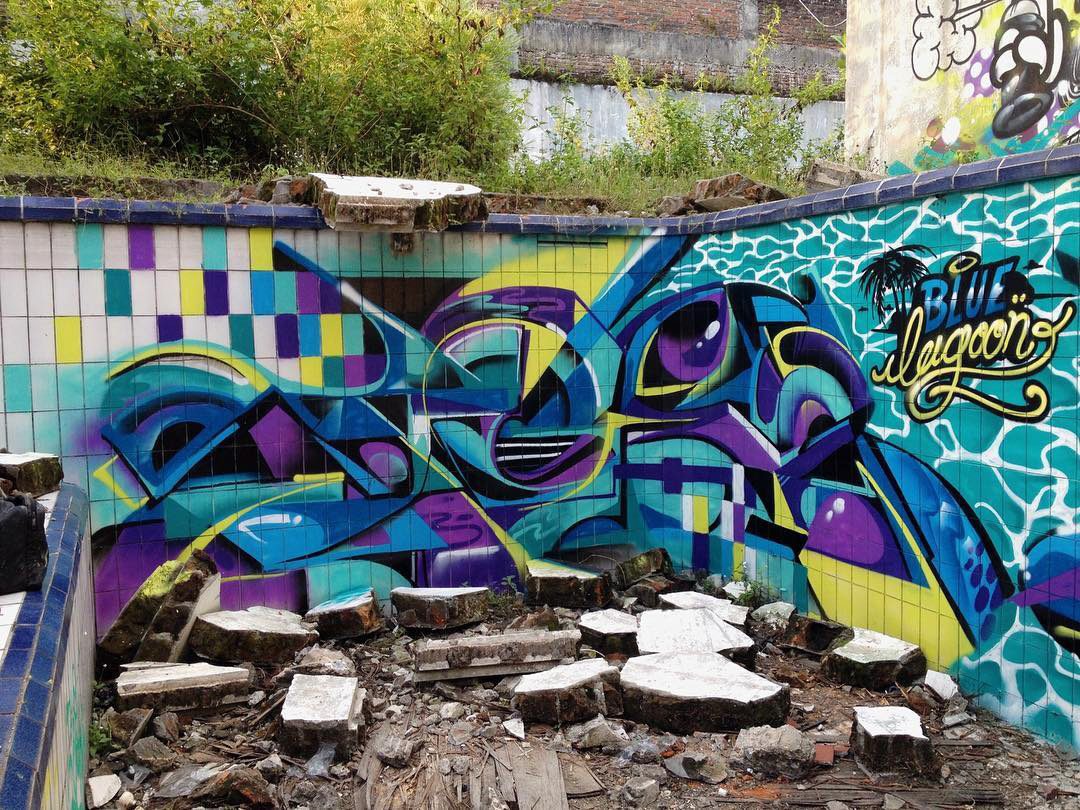
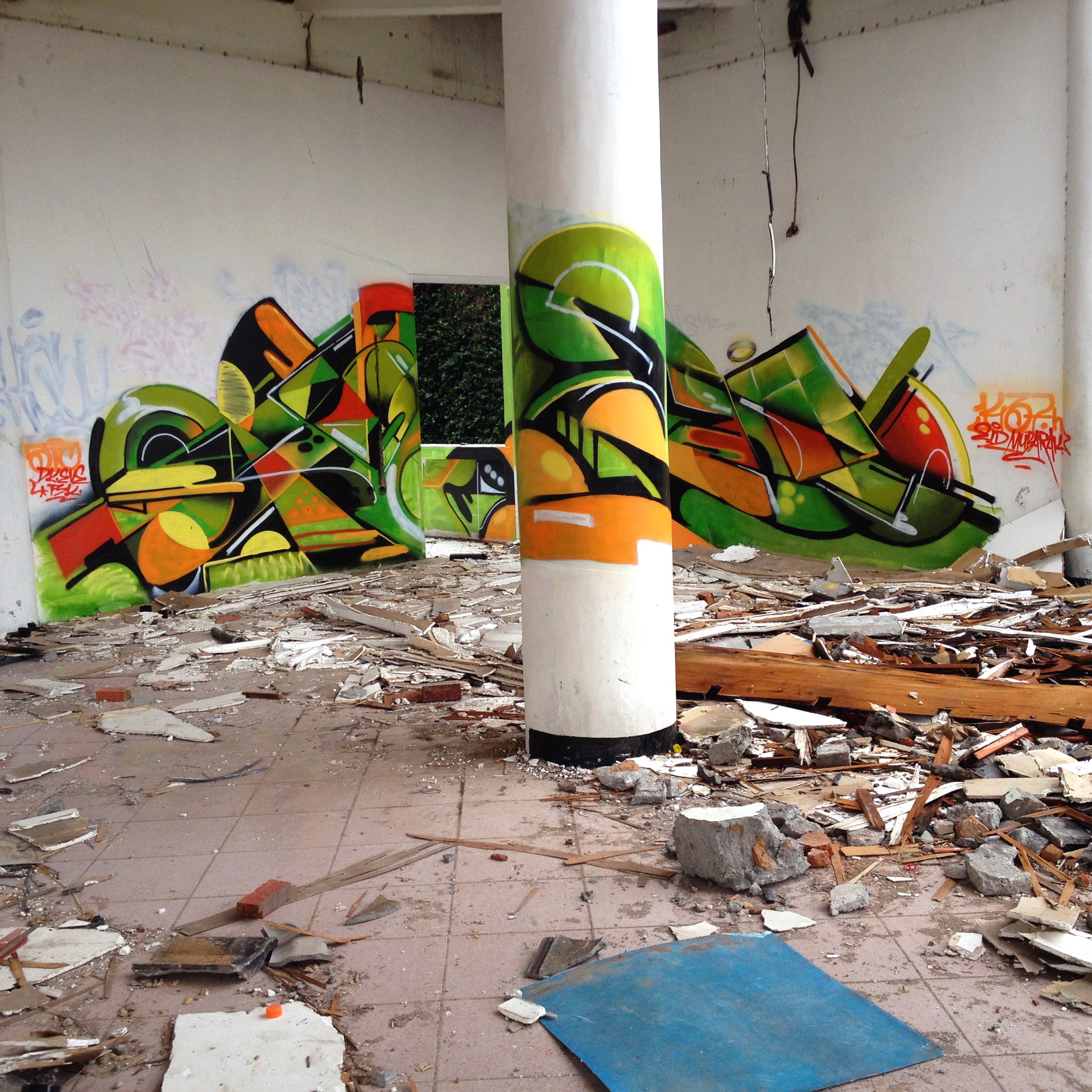
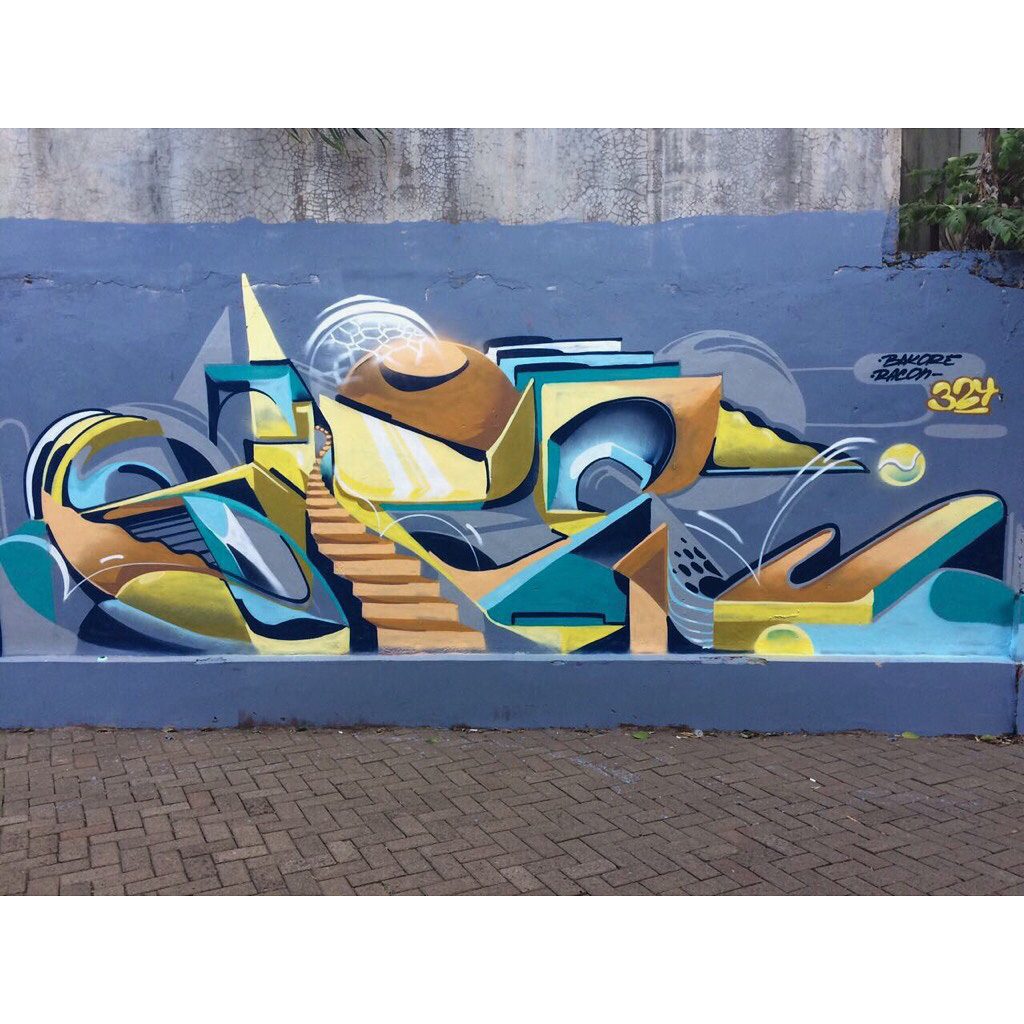
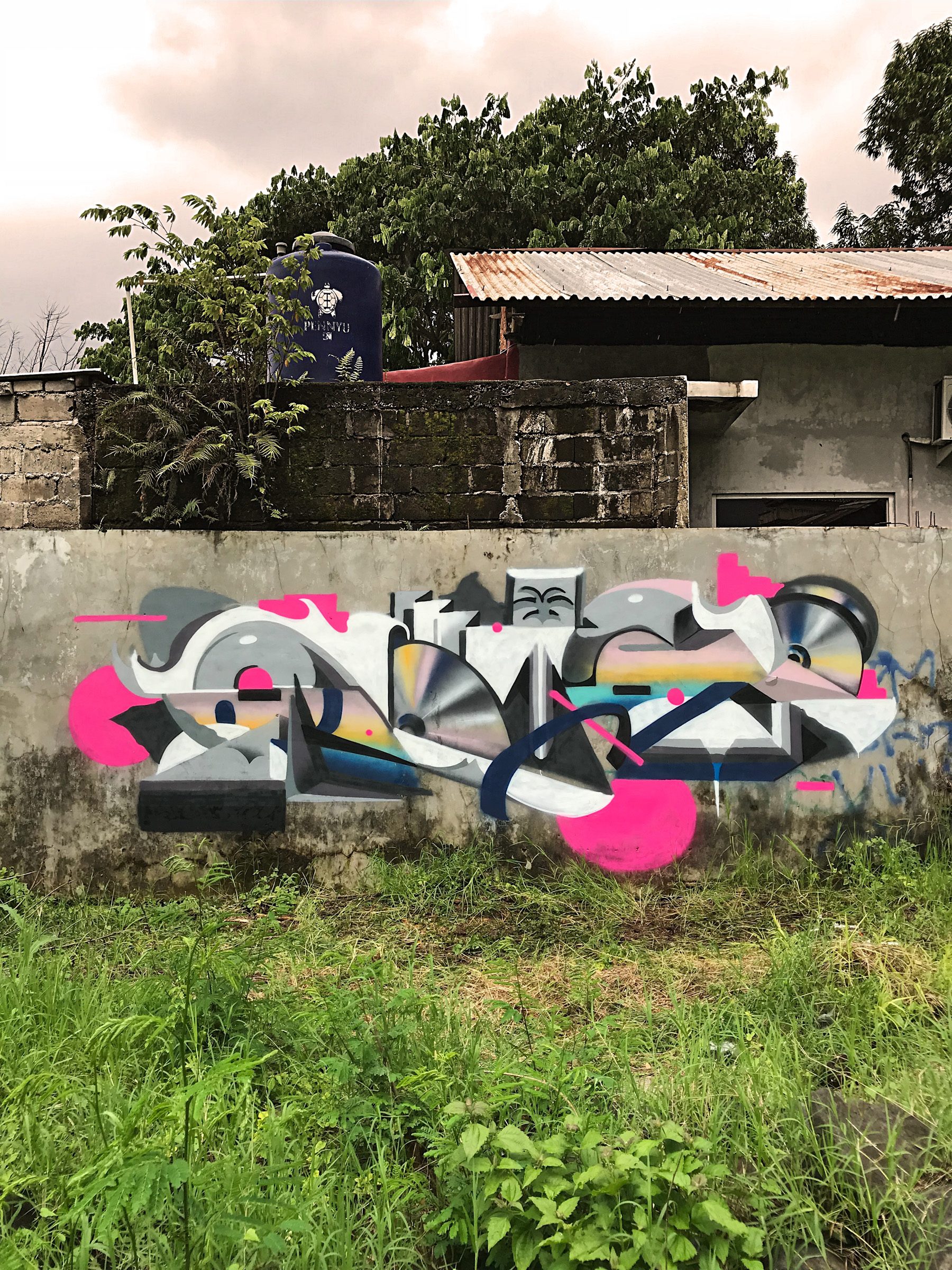
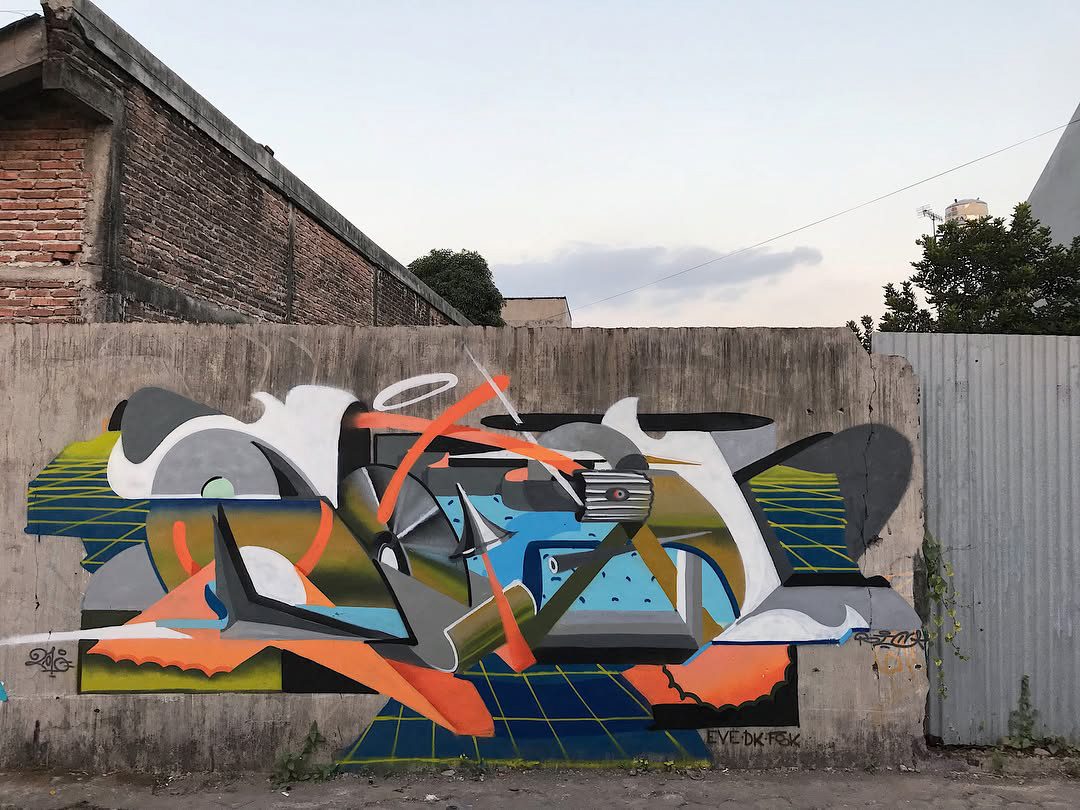
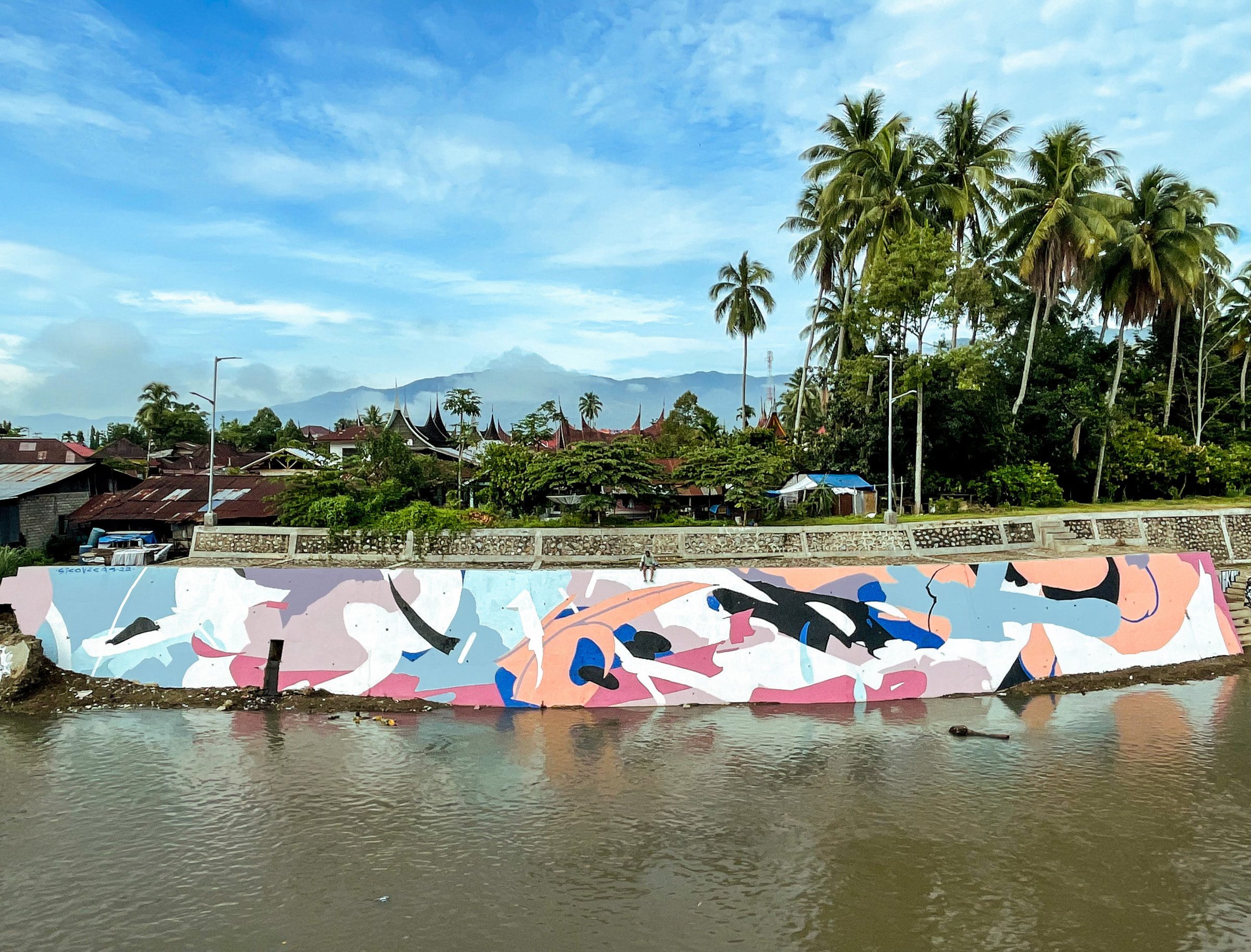
From 2013 until and 2019, in your pieces on walls, letter shapes are still present but combined with abstracted shapes and patterns. The compositions look constructed, and you used more pure and strong colours. Can you tell us something about that phase and which letters are still present?
That period happened while I was studying Information Technology. A lot of the geometric influence came from programming. In coding, everything has to be structured. If there’s even one small error, the programme won’t run. Without realising it, I brought that same mindset into graffiti. I became obsessed with technical precision, balance, and making every piece feel perfectly constructed.
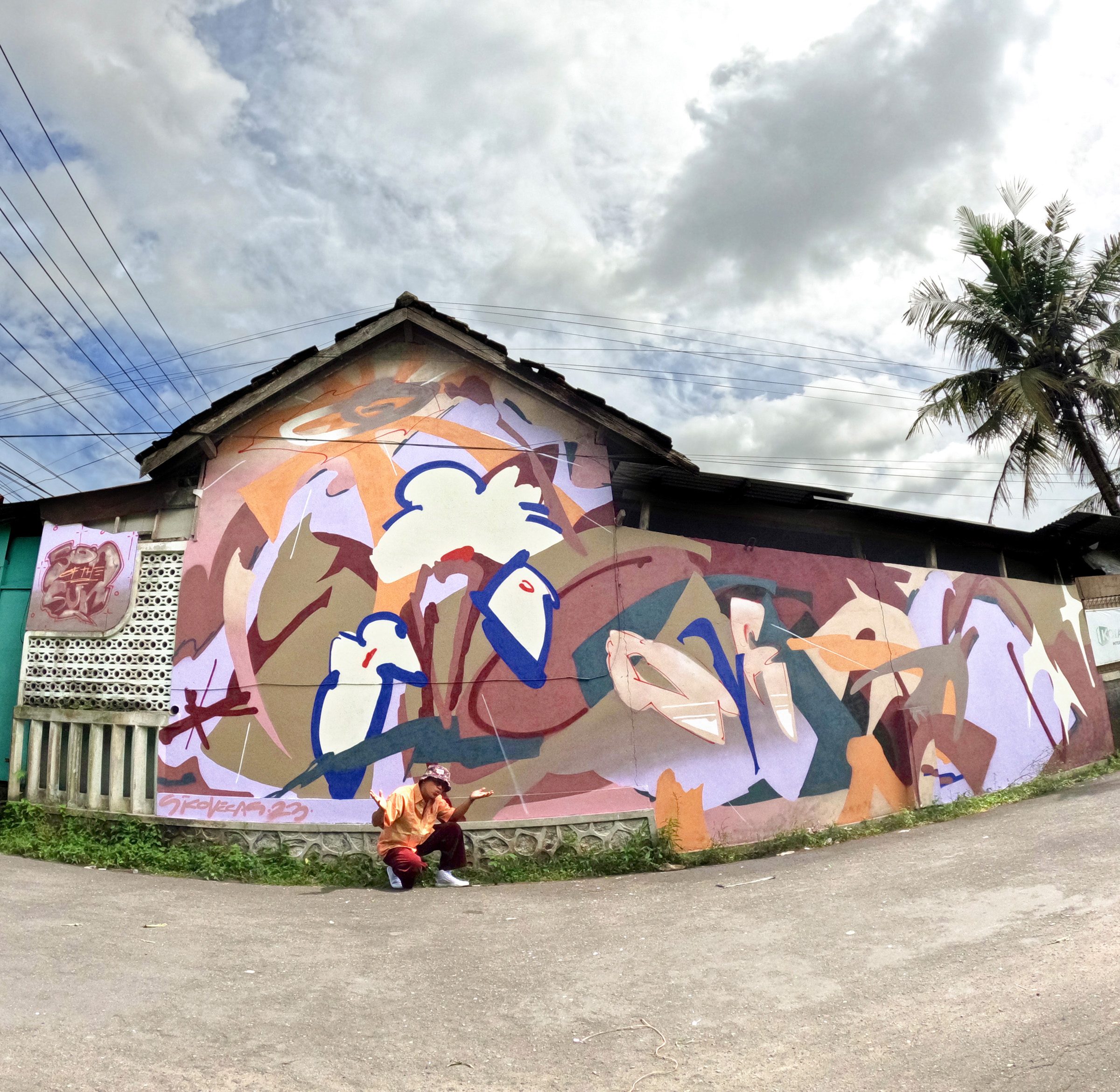
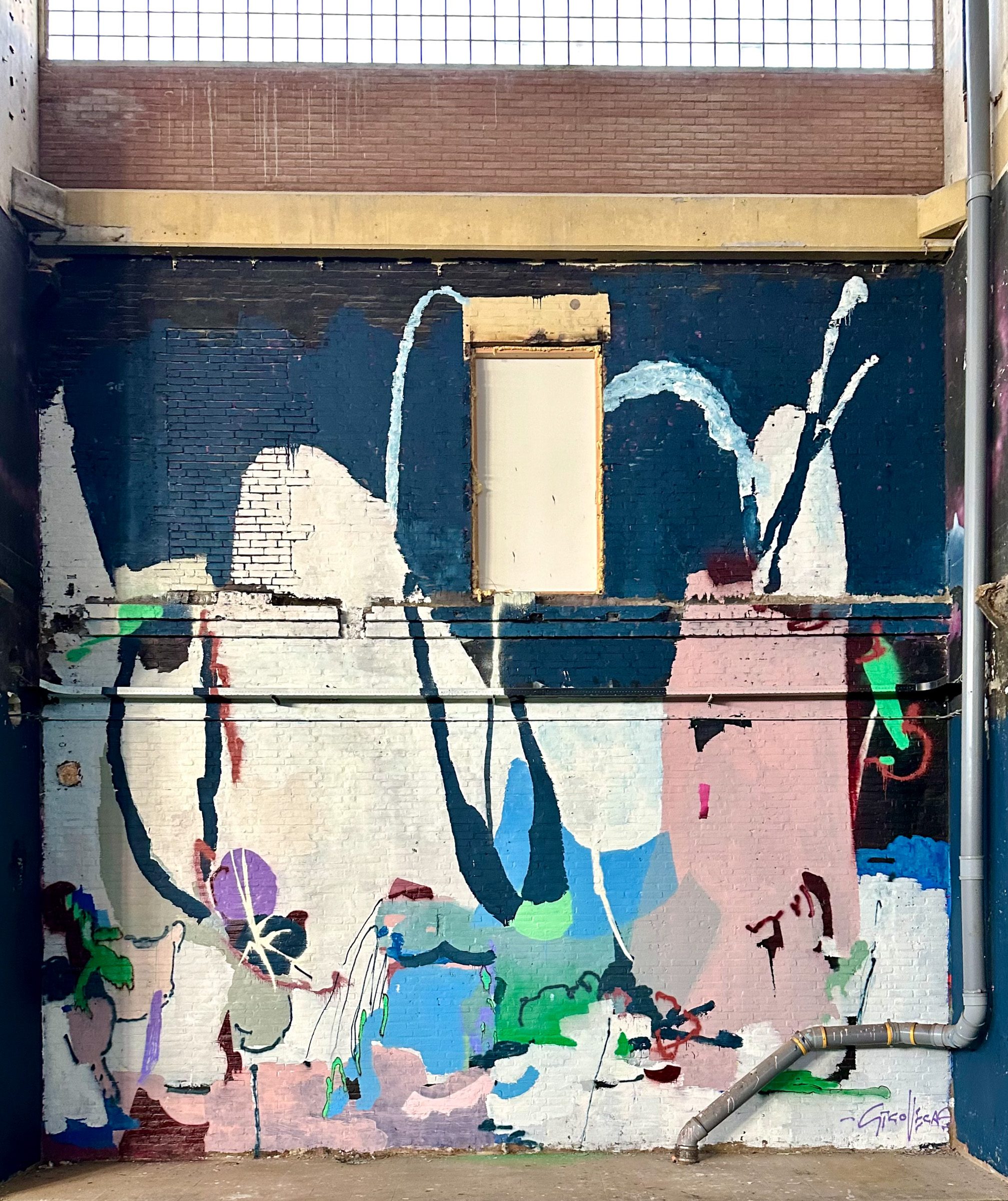
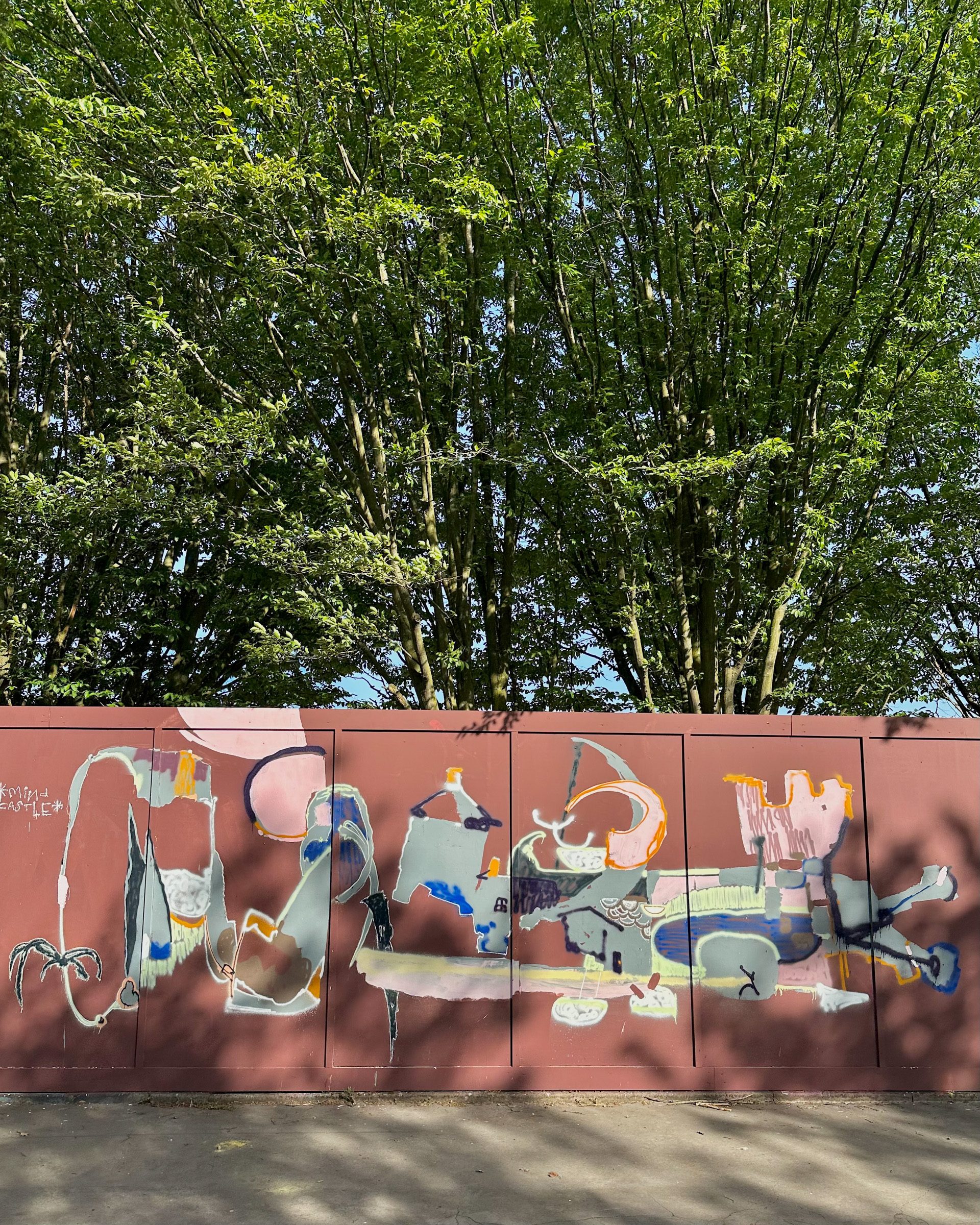
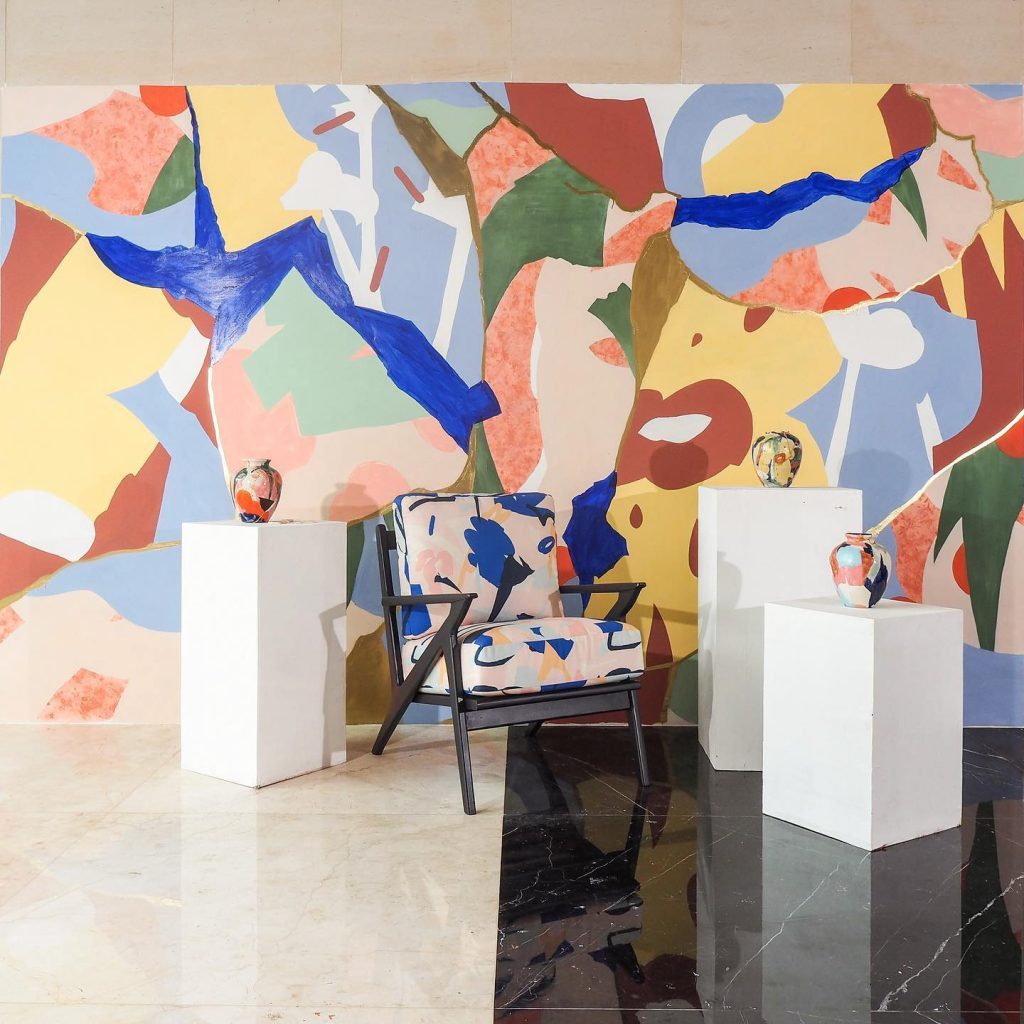
From 2019 on, I can observe a more experimental phase, where you try out a different abstract visual language, no more letters, more graphic work, minimalistic, with bigger shapes/patterns and coloured surfaces, sometimes with some figurative motifs. You also used other colours, more pastel tones. Can you describe what motivated you to that stylistic change?
University burned me out, and that became a turning point. One day I realised there wasn’t much difference between my life as a computer science student and the way I was painting. Everything was driven by logic, precision, and control.
I asked myself if I’m bringing the same computer thinking onto a wall, then what’s the point of being human? So I began deconstructing my pieces. I started accepting drips, wobbly lines, and imperfect shapes. That’s when I began finding humanity inside my paintings, through organic forms and softer pastel colours.
At that time, you did some commission work, right?
Yes.
You even painted a boat. Was this difficult work?
Haha I’m always up for painting unusual objects. That boat actually reminded me of Noah’s Ark.
It was a difficult project though. Because it was on a small island, the monsoon winds carried oil residue from passing tankers. By the end of the day, my legs were completely covered in sticky black oil. I had to wash them with about three litres of petrol just to get clean.
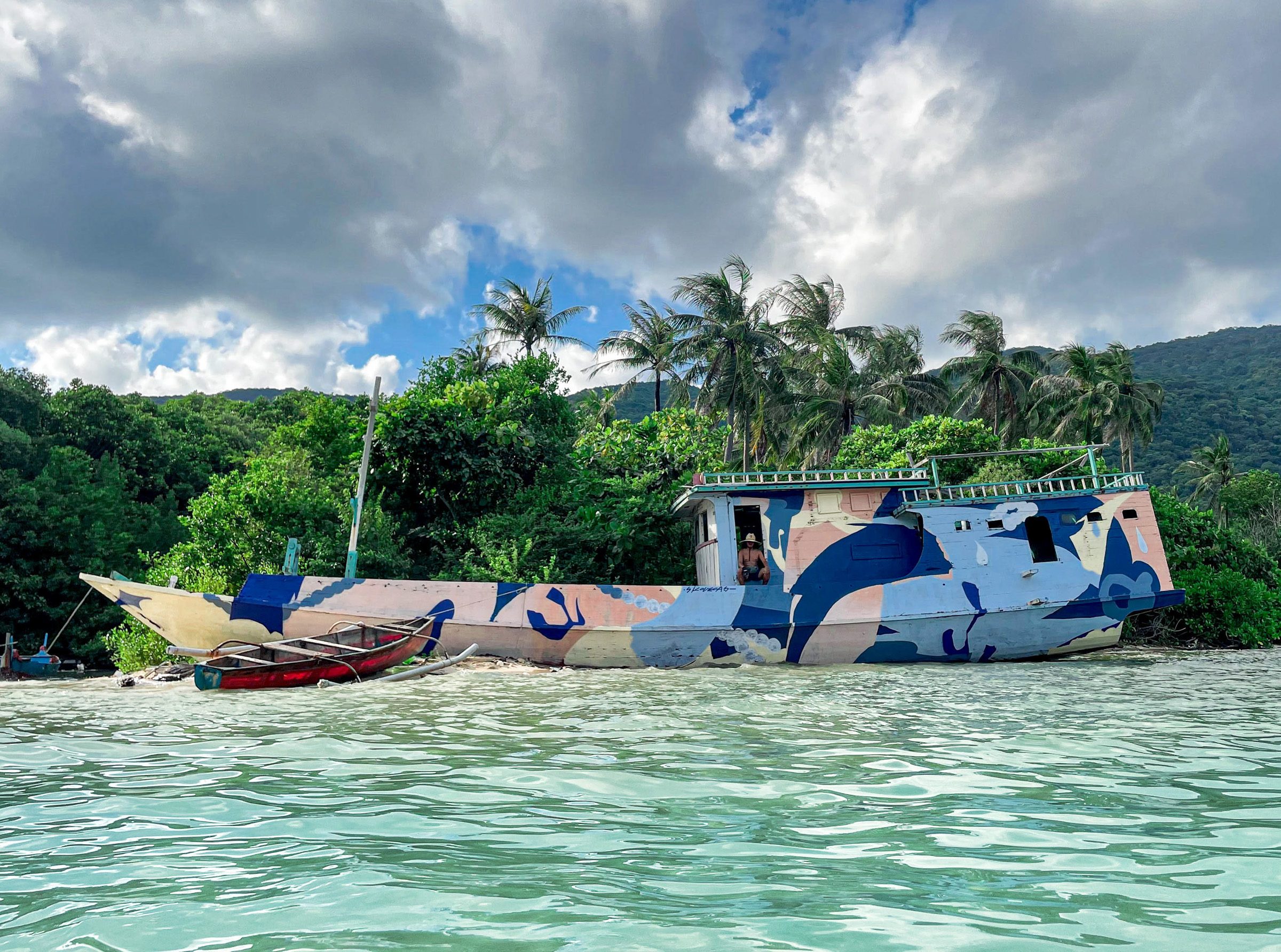
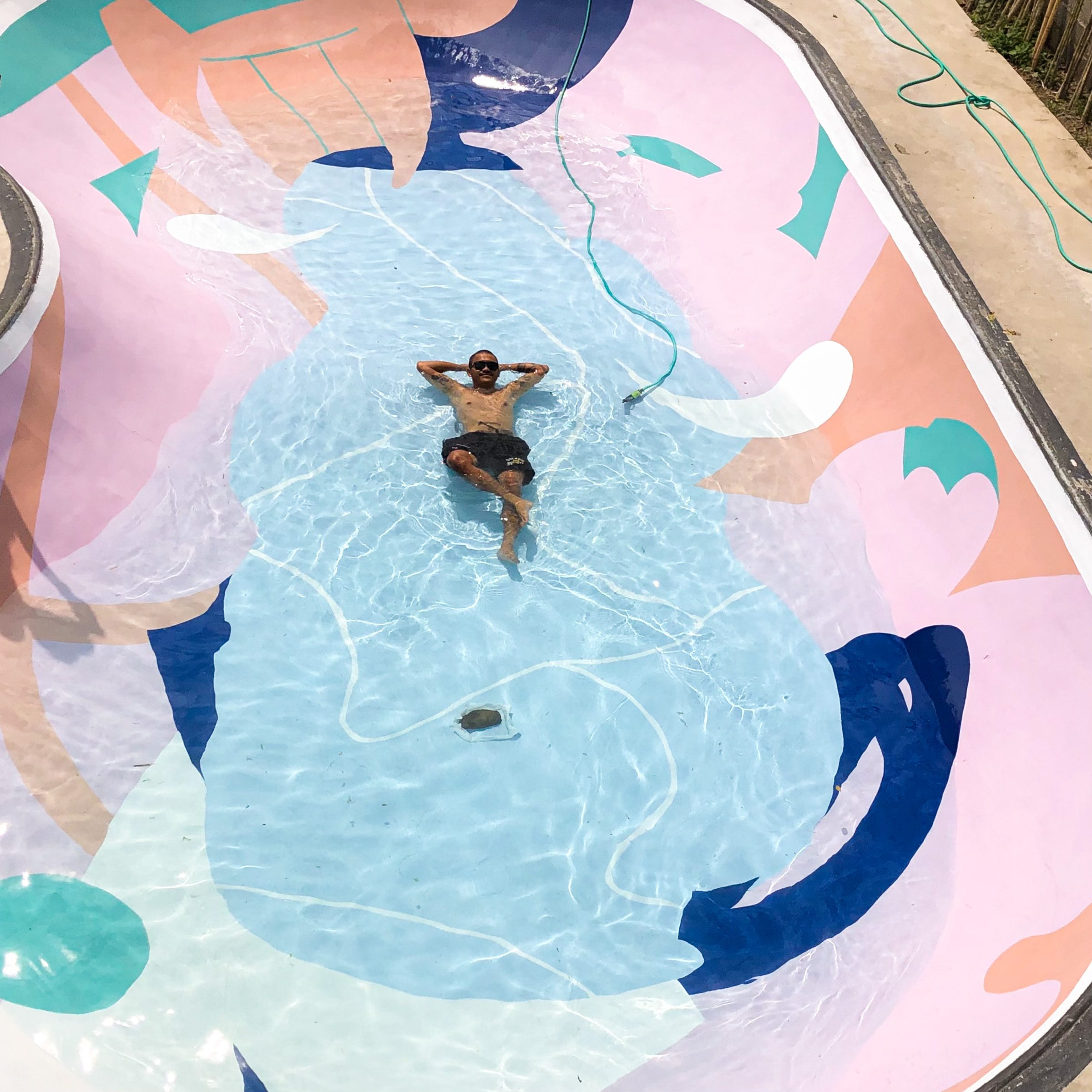
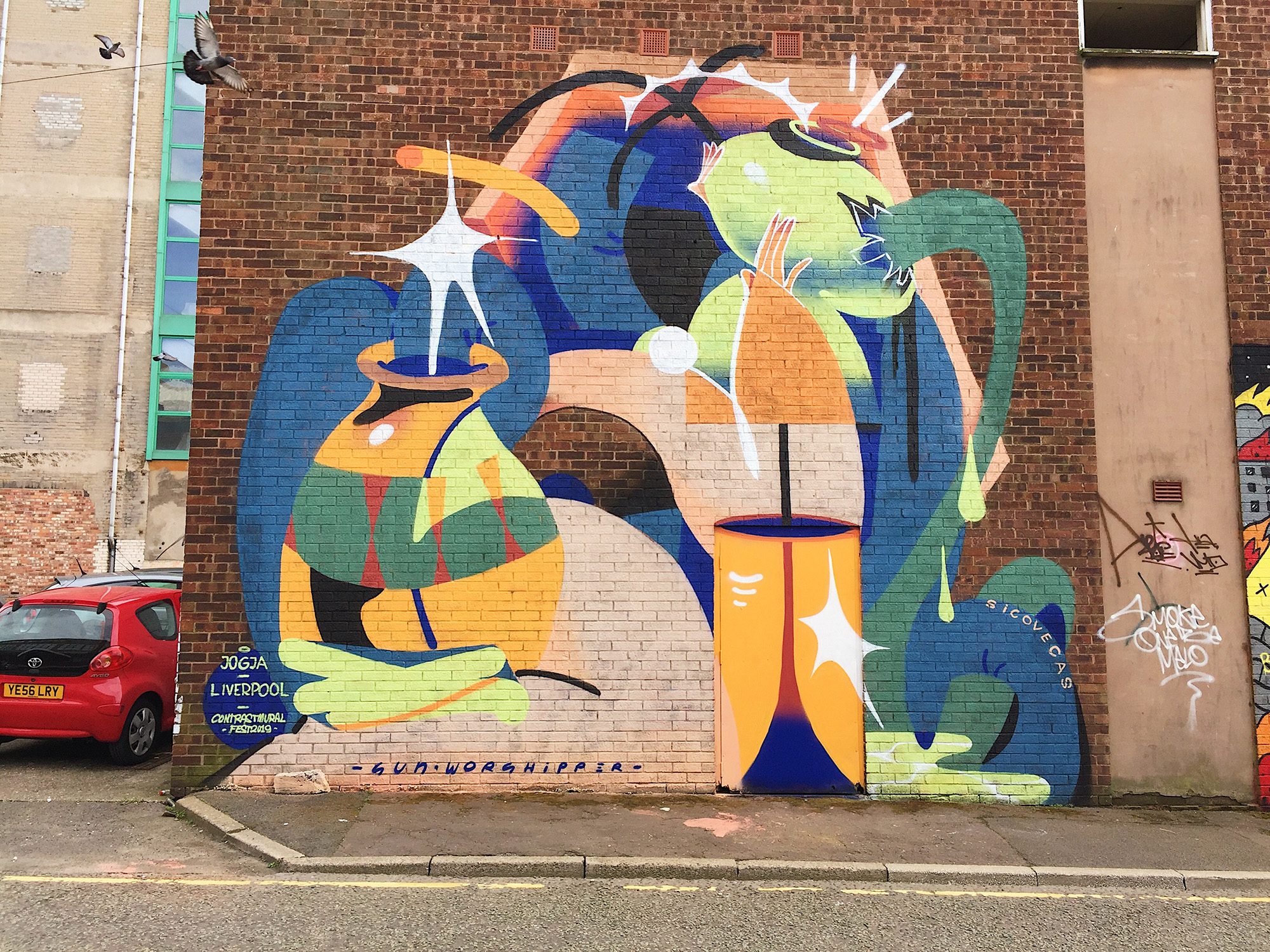
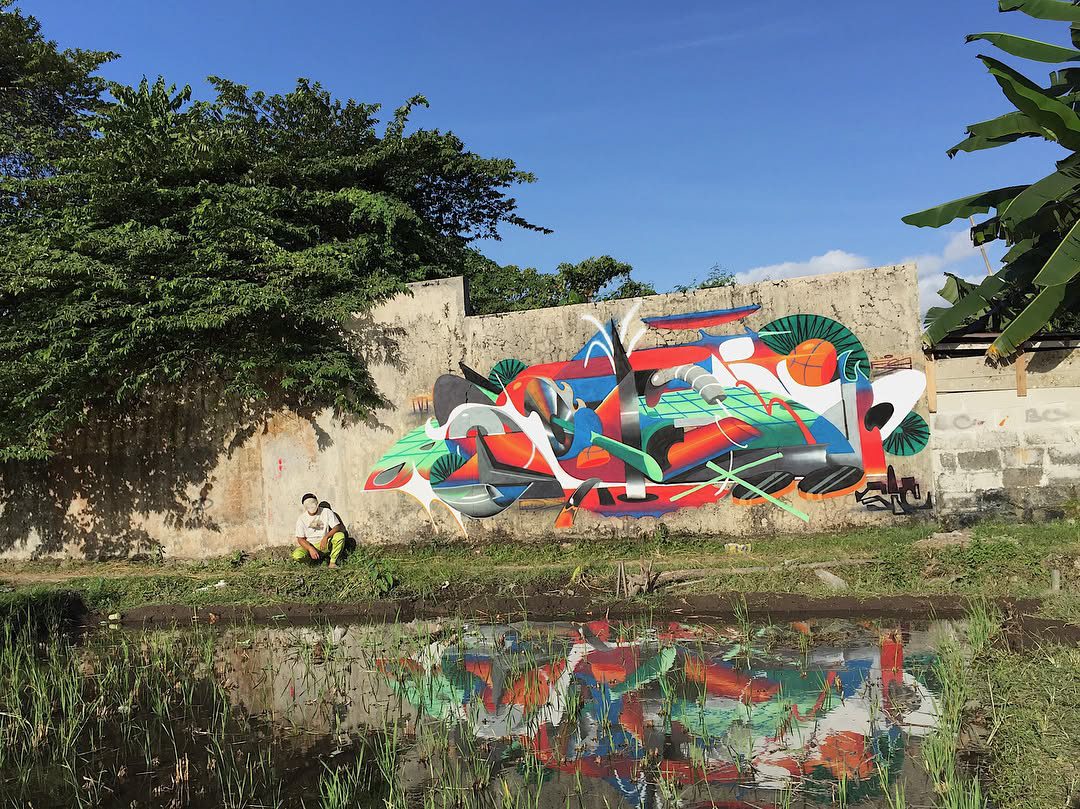
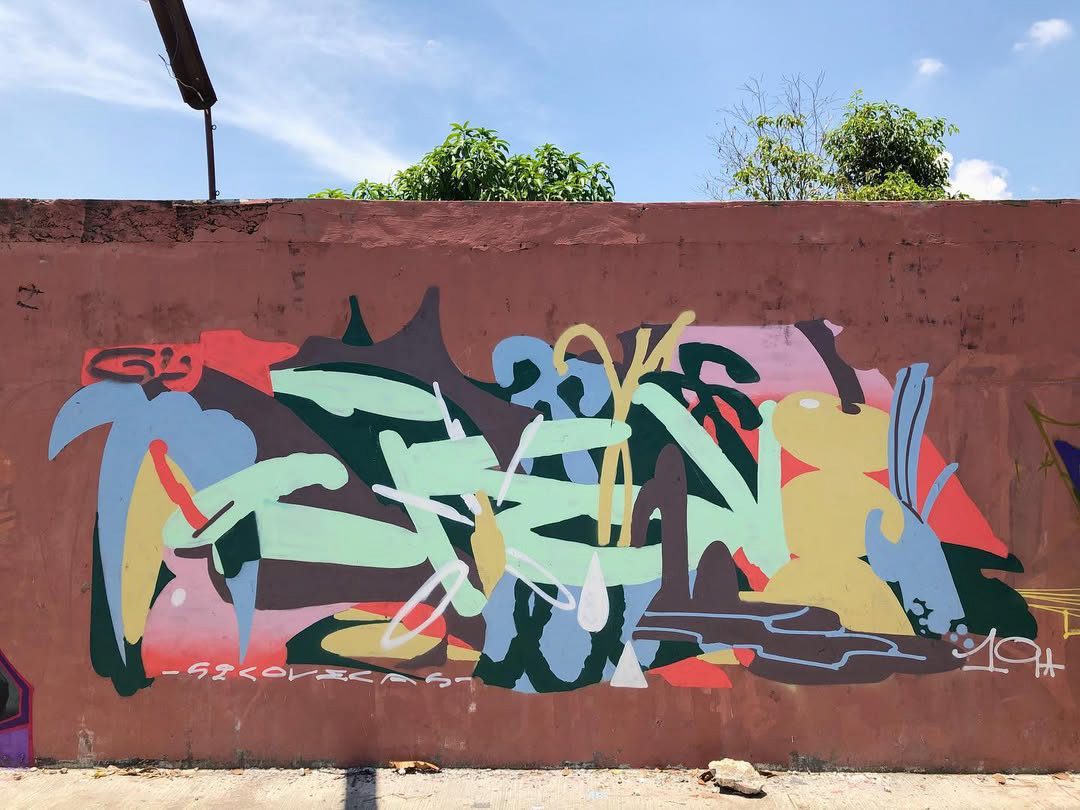
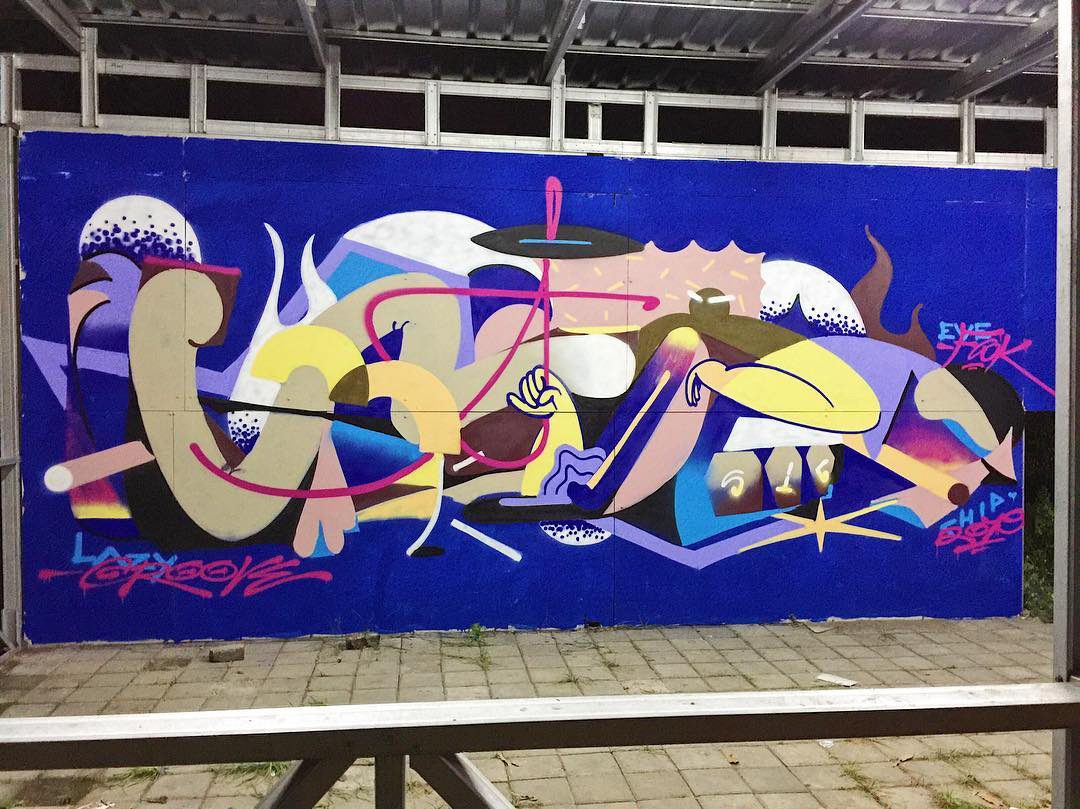
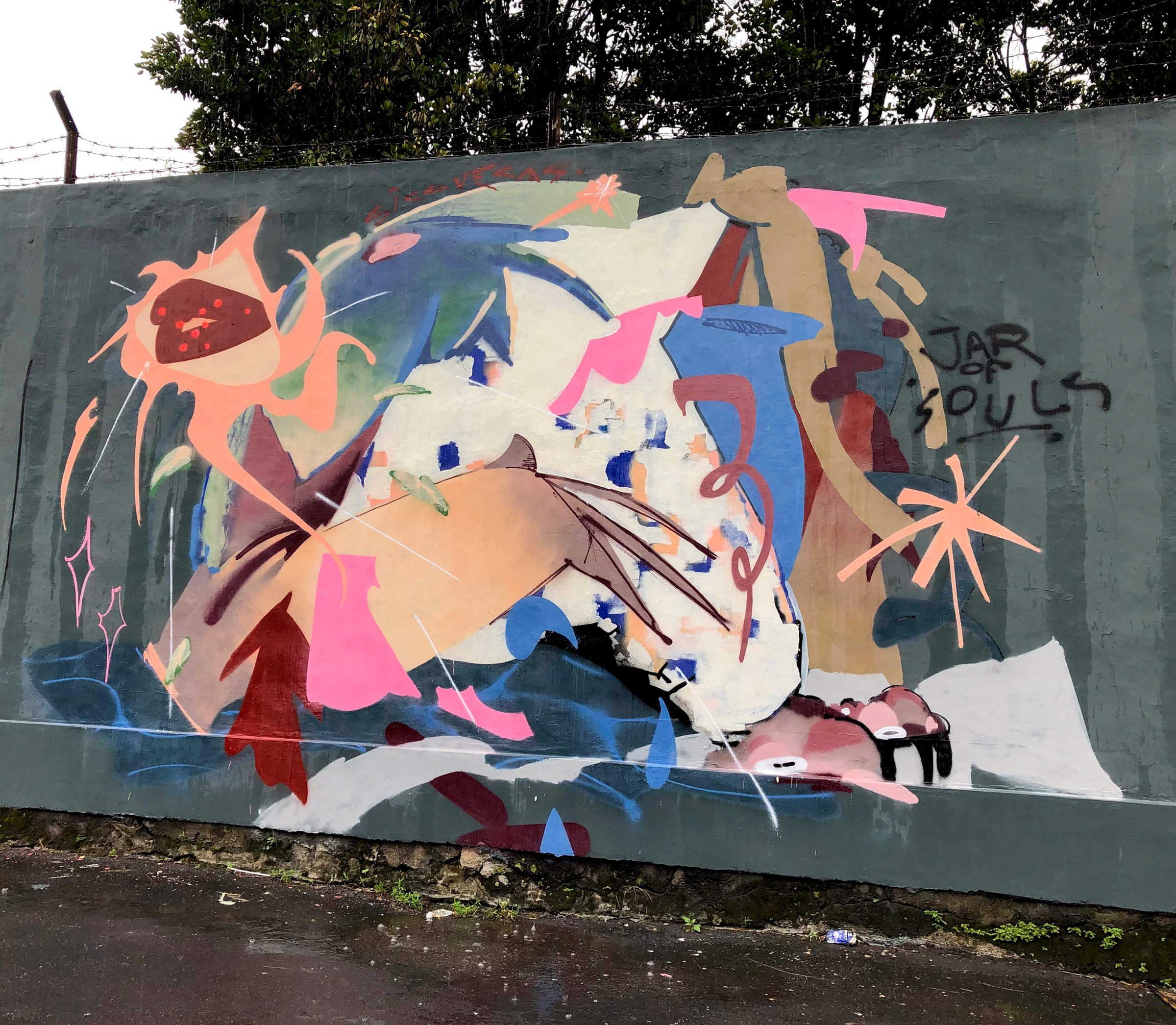
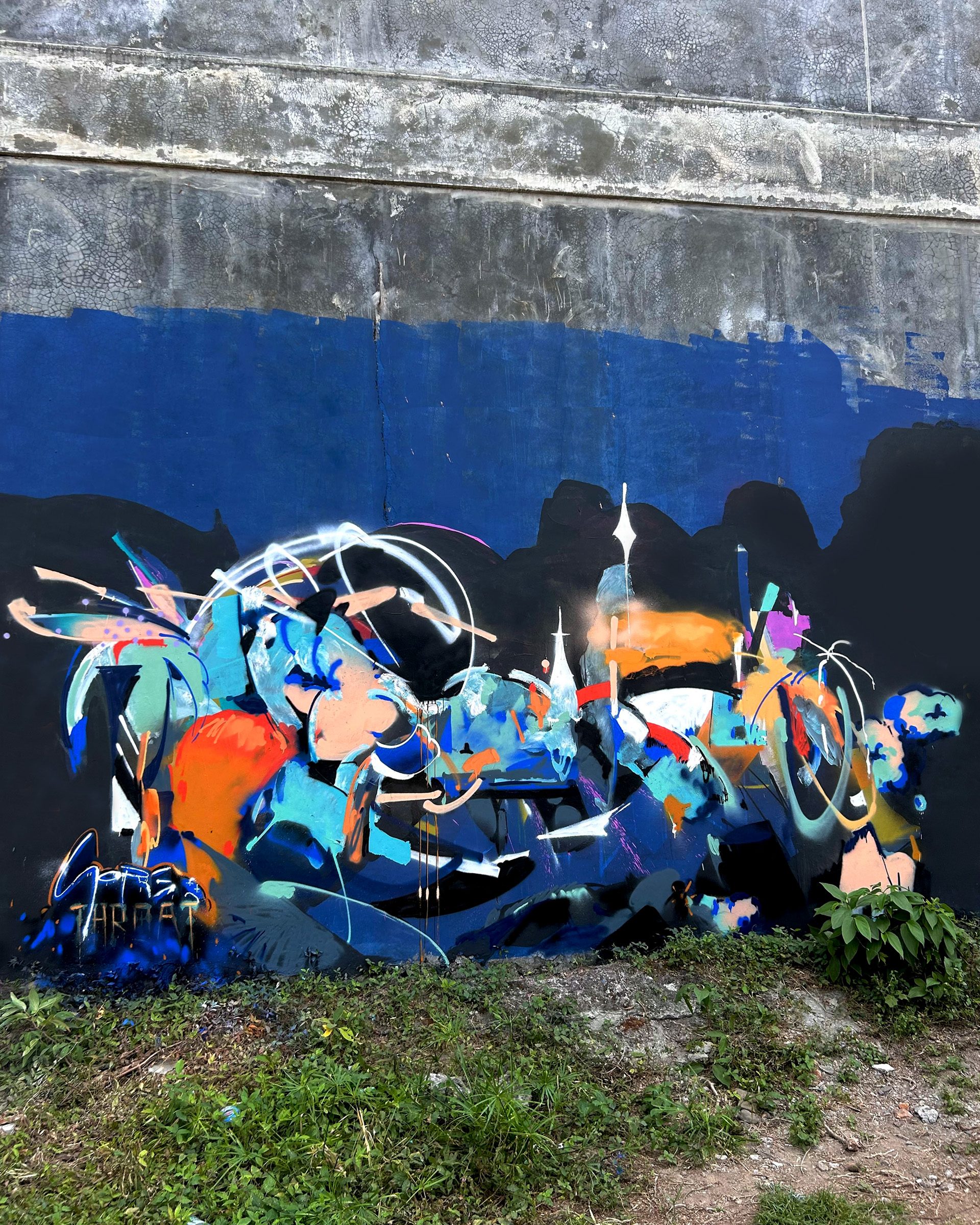
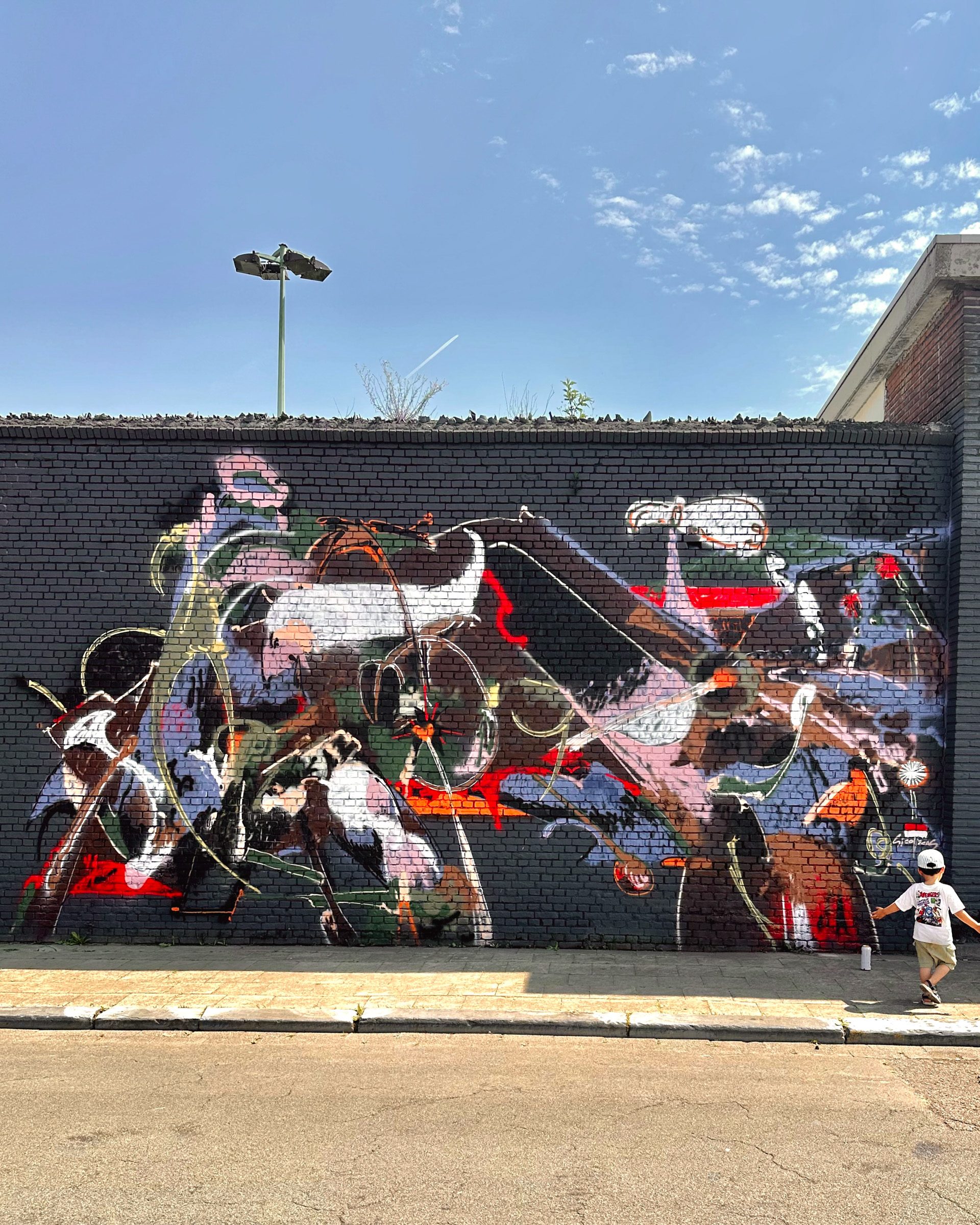
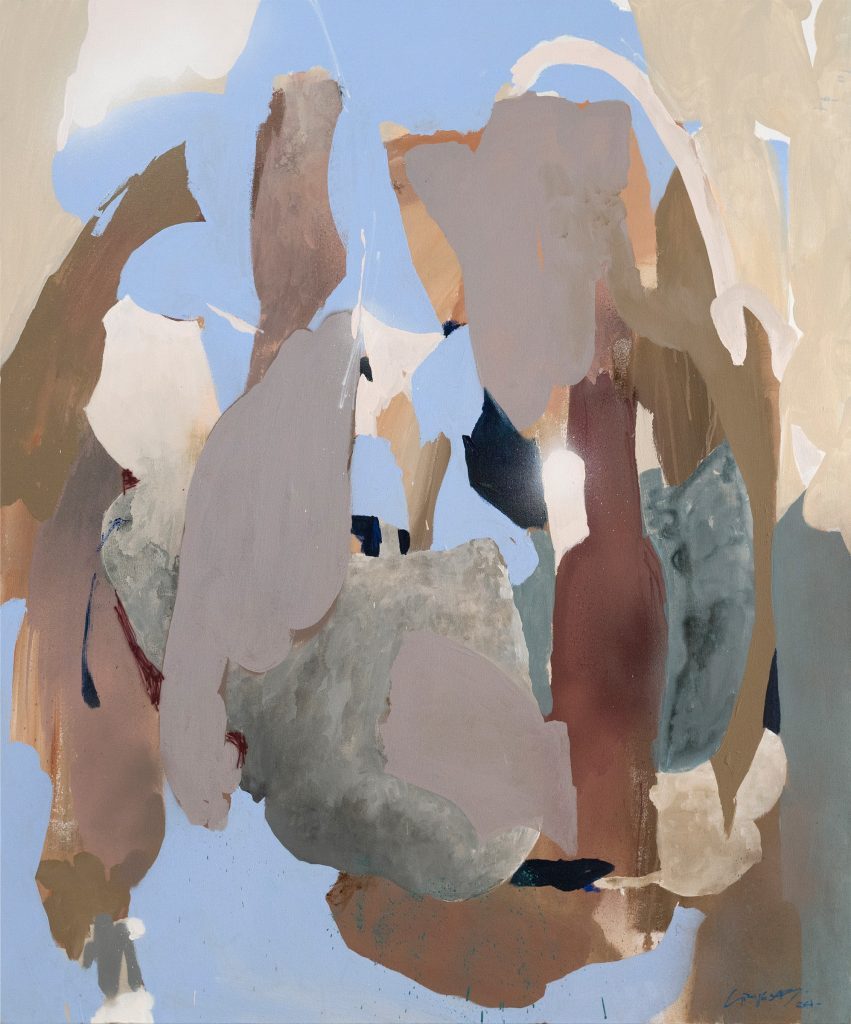
Since 2021/2022, you paint more freely, still abstract but with different shapes with playful textures of paint and more contrast. It seems that painting itself becomes more present as a material, and you are working more with intuition, more expressively. Can you tell us something about this new phase you are still in?
That was the period when I finally felt like I understood why I am painting. I’m interested in celebrating what makes us human in an increasingly algorithmic world.
My work has become much more organic. Today, people joke that “ugly art is still better than AI art.” haha maybe they’re right. My painting isn’t about perfection any more.
Are you still calling your wall paintings „pieces“?
Yes, calling them “pieces” is my way of acknowledging my graffiti roots. That culture saved my life.
How will you describe your current style with your own words?
The closest style to being human.
What do you like in abstraction?
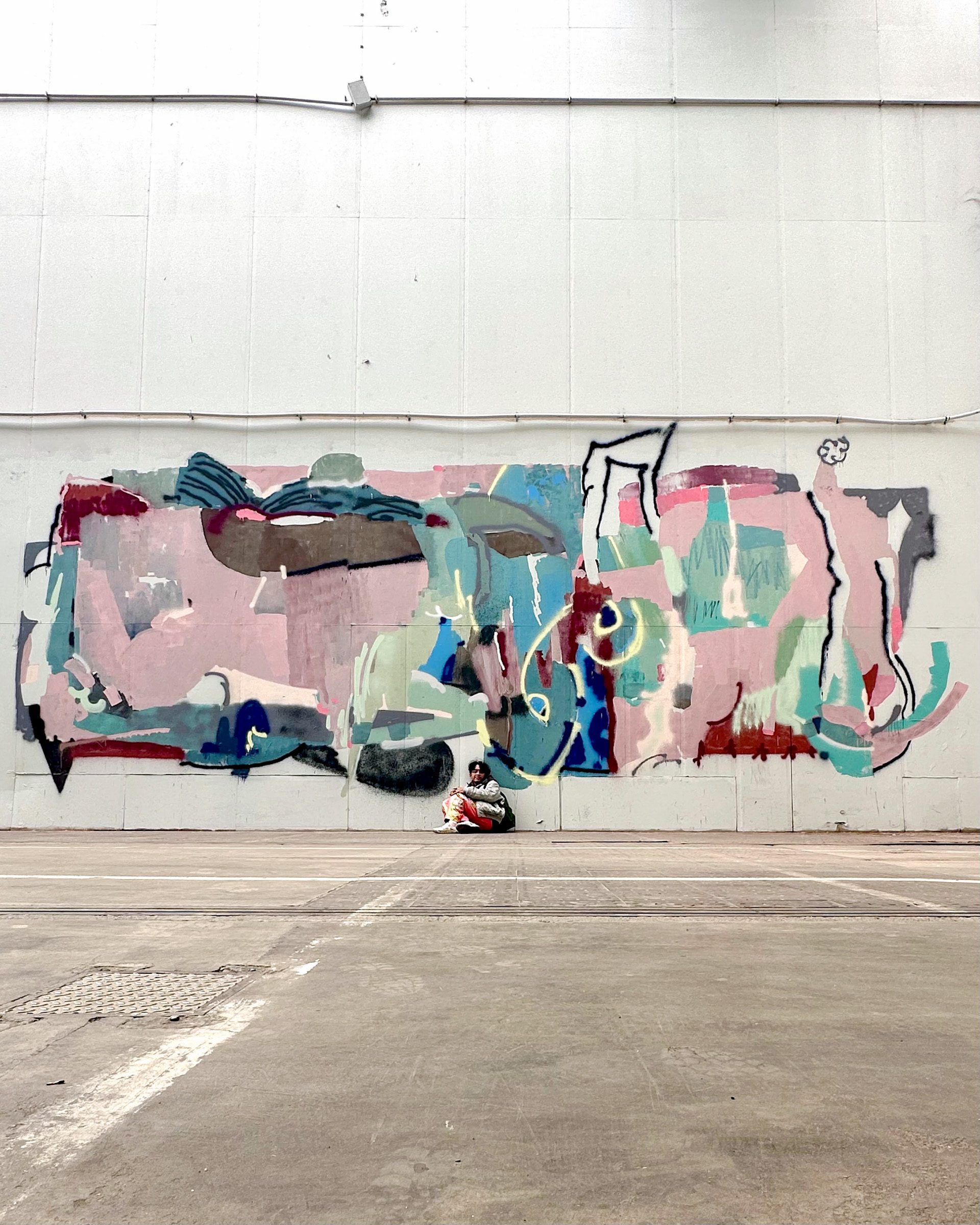
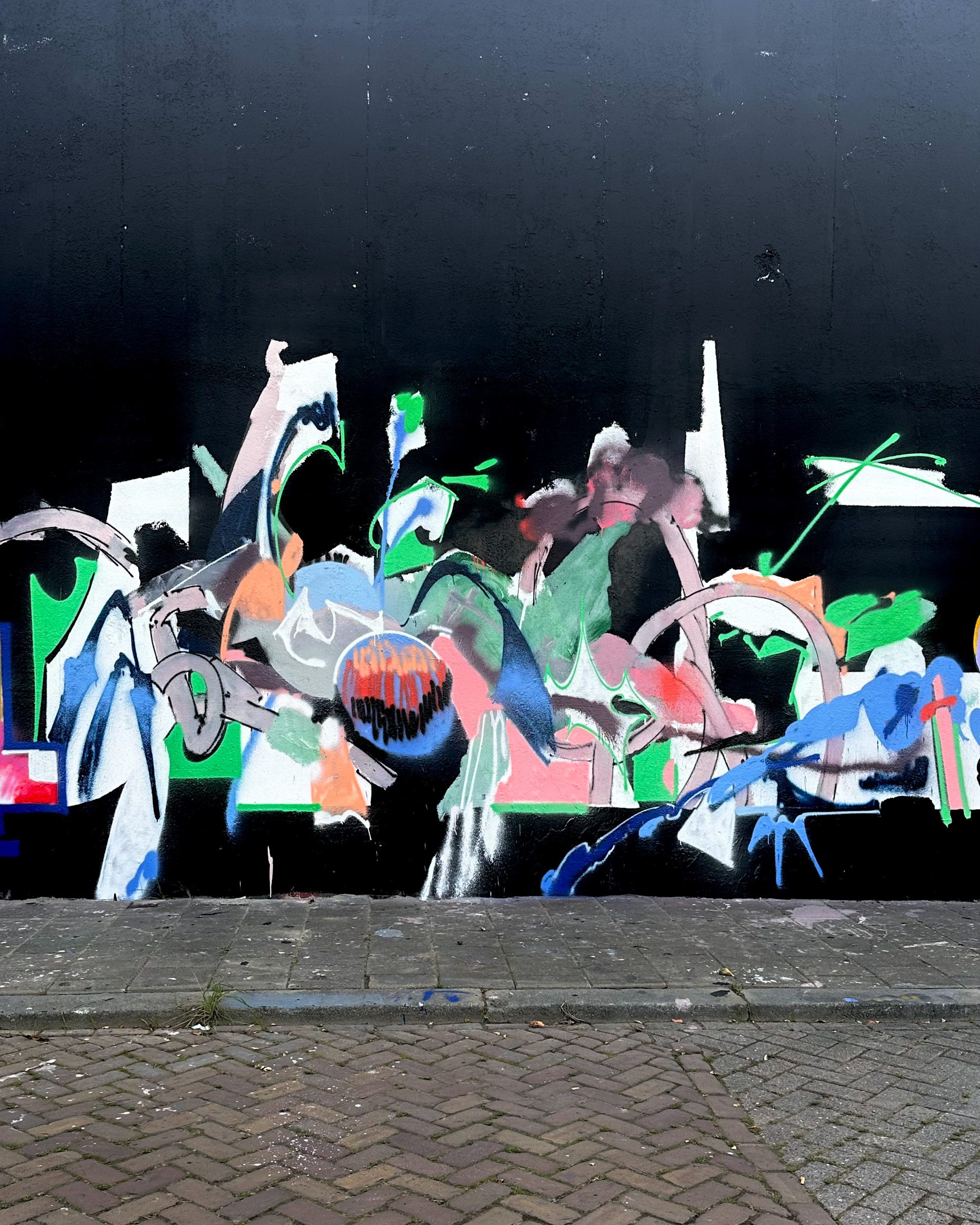
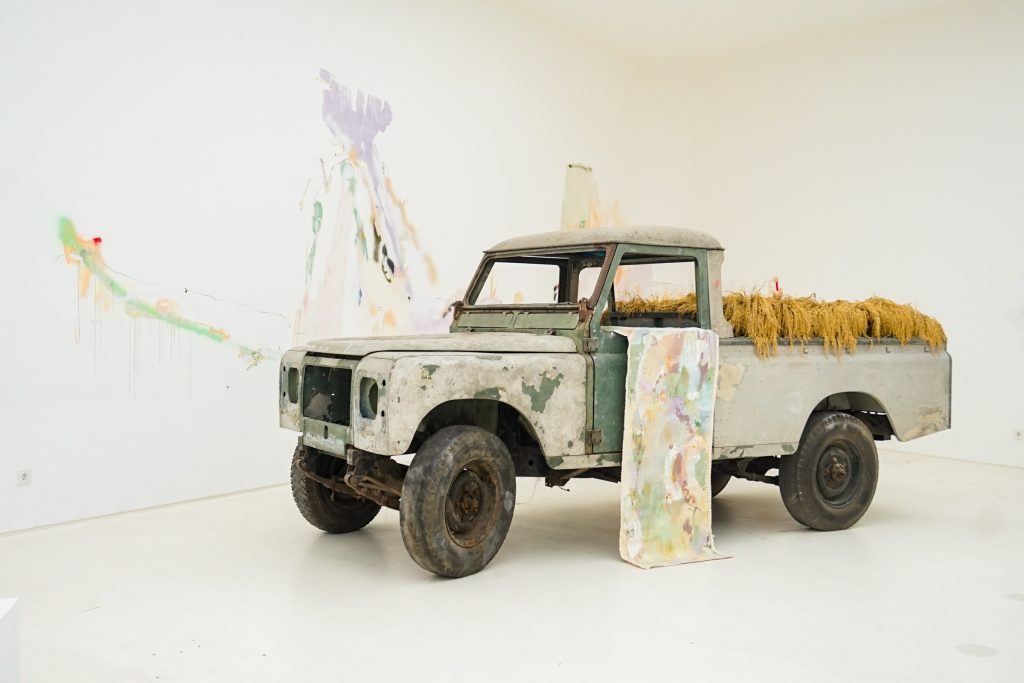
I love that absolutely anything can become inspiration. Since painting outside, every wall is a studio that gives you a new different set of colours, textures, people, and stories to paint.
What kind of places/walls do you prefer (old ones or modern ones)?
I like rough surfaces and slightly worn-down places. They remind me of my neighbourhood.
How do you discover your spots?
Back home it’s pretty easy. Because Yogyakarta has a well-known art university, people often assume you’re an art student. Painting illegal during the daytime is a normal day of painting. If a long/ big wall belongs to someone, I usually ask for permission first. Somehow, introducing myself as an art student opens the conversation, and I’d say about 90% of the time they say yes.
With which technique did you paint in the beginning, and what are you using on walls nowadays?
Mostly spray paint. These days, I actually enjoy hunting for cheaper or lesser-known spray paint brands because I like their imperfections. They don’t always behave the way you expect, and that makes painting more exciting.
Did you develop any special tool or technique?
No special tools. Since I paint abstractly, I’m probably the only person who knows which parts of the painting are actually finished, haha!
What are the steps for your painting process on walls and how long does it take?
It starts before I come to the wall. I pay attention to everything on the way there: the streets I walk through, the people I meet, the atmosphere of the neighbourhood. Once I arrive, it becomes more interesting. The architecture, the surroundings, the weather, the cart street food seller stopping by, even the mood of the day all become part of the painting. I just keep adding bits until it feels finished.
Are you doing sketches before?
Usually not. For commissioned murals I prepare a rough sketch because that’s part of the process, but for my personal work I prefer discovering the painting while I’m making it.
How important is sketching for your work anyway?
Very important…for the client! Haha…
How important is freestyle in your work?
Very important for me.
How do you work to find new forms/shapes, colour palettes and textures?
My name, As I See, has become a daily reminder to observe. The longer I paint outside, the more I realise that inspiration is already there.
Where do you get your inspiration?
From the kid version of myself. I love how limitless my imagination felt back then, especially when I was reading the stories in the Old Testament. Those strange and poetic worlds still with me today. There’s a version of myself I’m always trying to become: to paint like a child, to research like a mad scientist, to write like a poet, and to love people like I’ve never been broken.
Can you explain how important colours are for you?
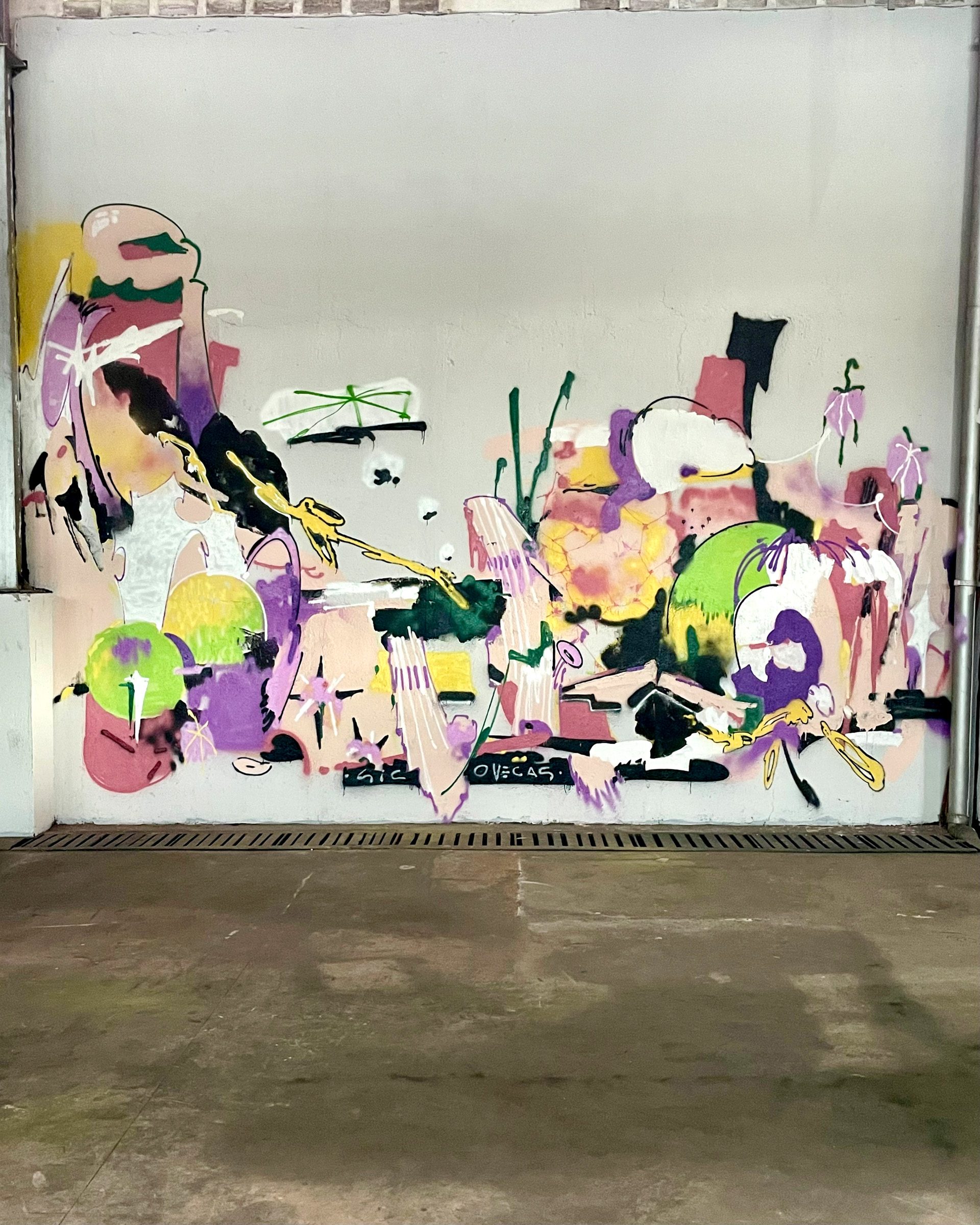
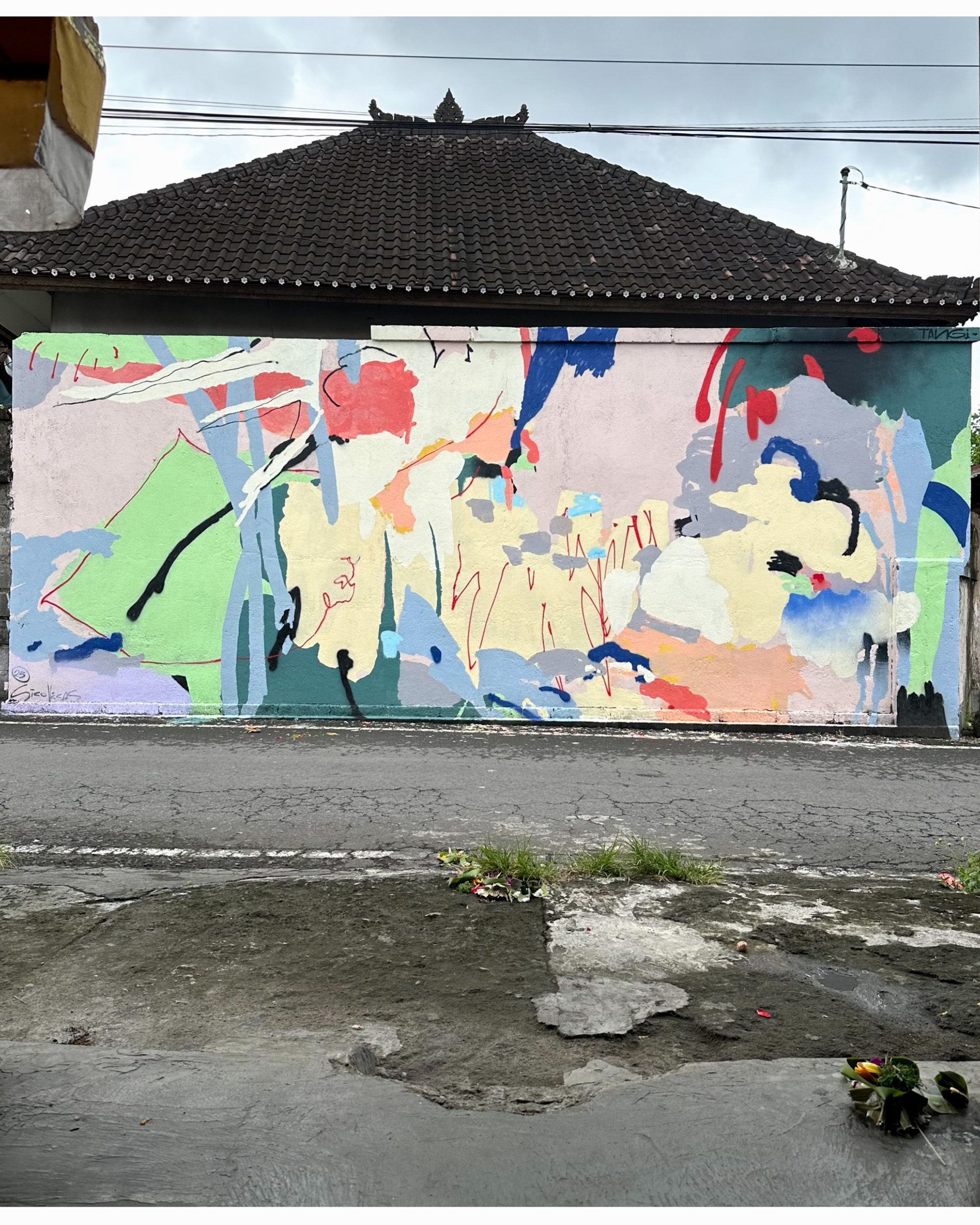
I think of colour – especially pastel colours – as therapy.
How do you define your colour palette for a new work?
I usually begin with my fav colours: different shades of blue and peach. From there, the rest depends on emotion, both my own, and the emotional atmosphere of the place I’m painting.
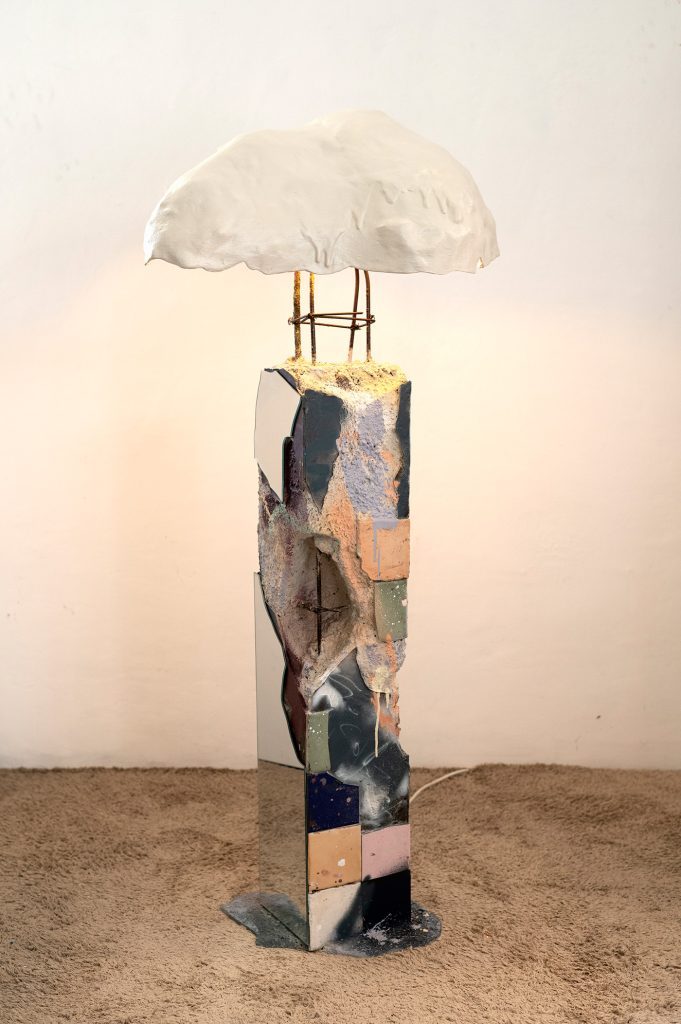
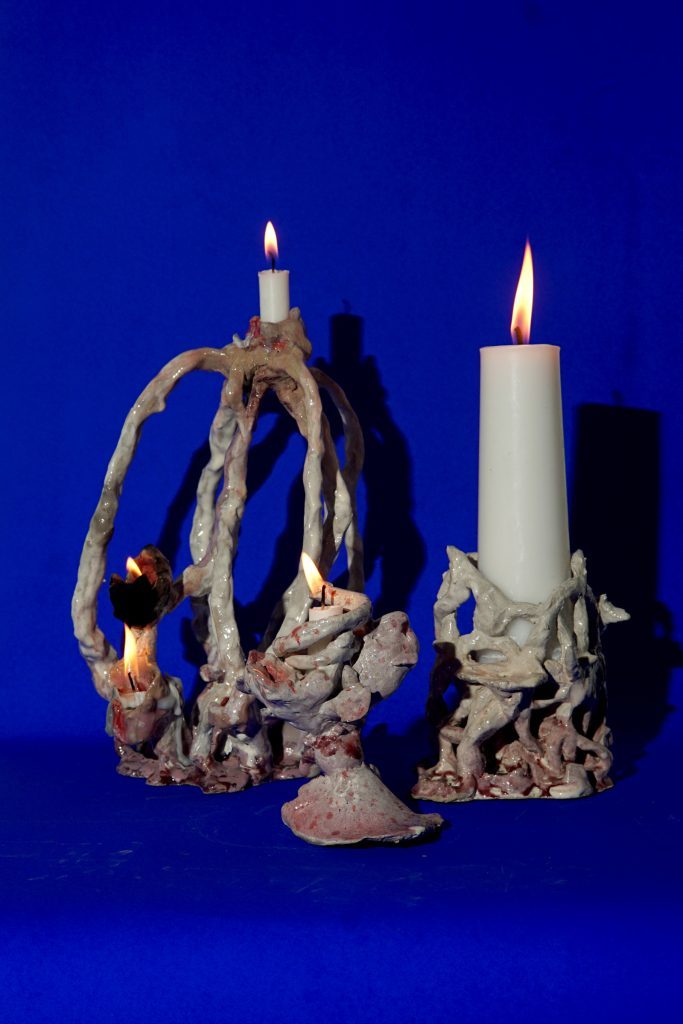
Besides painting outdoors and indoors, you are working with concrete and ceramic in your studio, right? Since when?
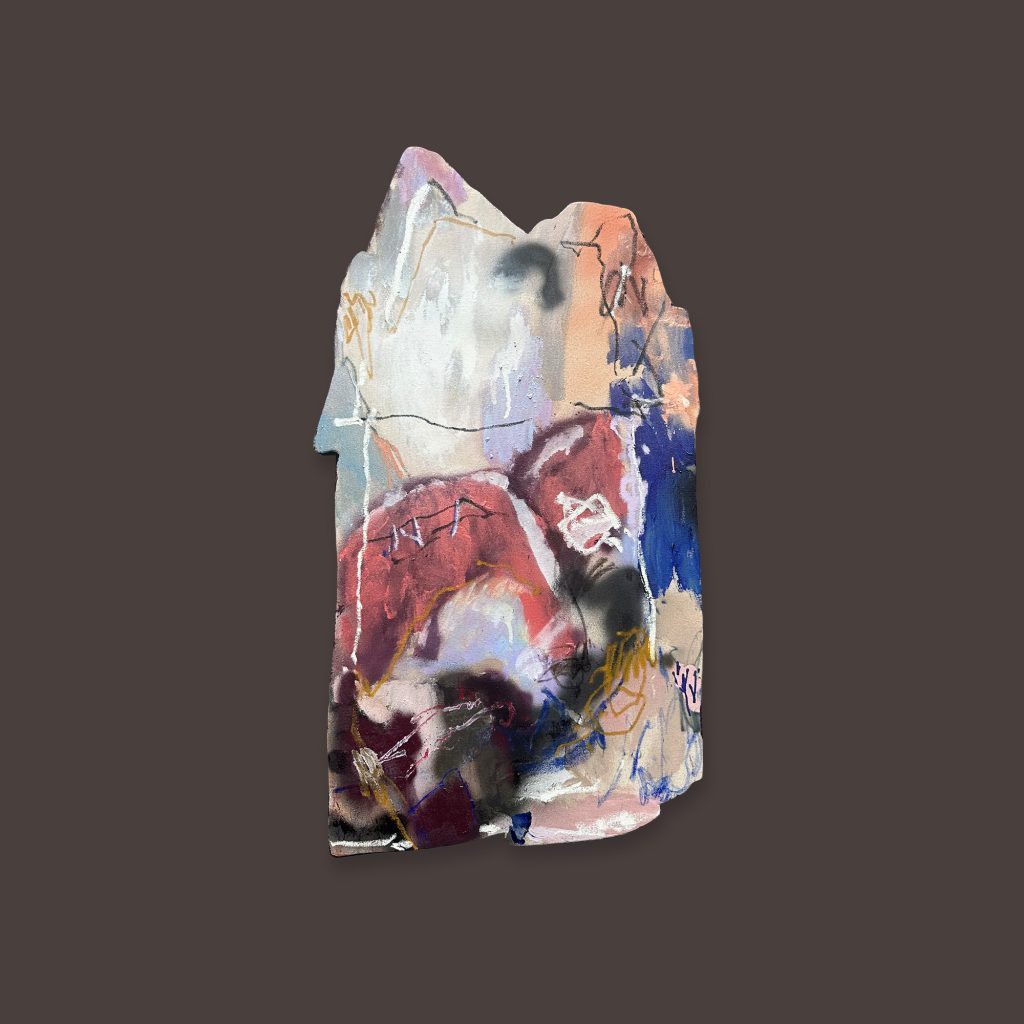
Since the pandemic. During lockdown, I discovered ceramics, and through its characteristics and fragility, I found another way of understanding what it means to be human.
What do you like in working sculptural?
Ceramics are even more tactile than painting. Opening the kiln is still my fav moment. No matter how much I plan, the glaze always surprises me. It becomes something beyond what I imagined.
Why did you choose concrete and ceramic, and how do those materials influence your work?
The reason is similar to why I paint freestyle: from the very beginning, I had no control over what I’m creating.
You travelled to the Netherlands this year, right? Were you invited by other artists? How did those connections happen and what are you doing there?
In 2024, Dutch street artist Danny Rumbl travelled to Indonesia to reconnect with his Indonesian roots. While he was in Yogyakarta, we met through street art and painted together.
At the time, we were both working on books. Danny was exploring his Indonesian heritage through family recipes, while I was documenting my own journey painting across Indonesia in Weird Walls. Although our starting points were different, we were both interested in how personal stories can offer a different perspective on history.
A few months later, I travelled to the Netherlands, and we painted together again. Spending more time together, we realised that street art had become our shared language. Instead of repeating the familiar narratives between our countries, we wanted to create space for artists to meet as equals and imagine new ways of working together. That’s how Doewa Matjan was born.
Is there any EU country you would like to visit?
Honestly, I’d love to visit the whole world. I think every country has its own charm.
Do you have any projects coming up?
I’m currently on my summer tour across Europe. Right now, I’m in Rotterdam for a two-month artist residency, and next month I’ll be painting a mural at Chassé Theater with Blind Walls Gallery. After that, I’ll head to Osaka for the Konohana Festival before returning to Indonesia for a commissioned painting project in Bali.
Thanks very much for your time!
You’re welcome, Katia! I hope we’ll get the chance to meet in person one day. Thanks for taking the time to do this interview, and keep doing what you love!


Leave a Reply