

Hello! You are from Spain, right? In which city do you live?
Hello! Yes, I’m from Spain, and I’ve been living in Madrid since 2010.
Where did you grow up?
I was born on the Mediterranean coast, in Alicante. I grew up in Elche – a small town that grew larger thanks to the footwear industry.
Can you tell us something about your childhood? How did you grow up?
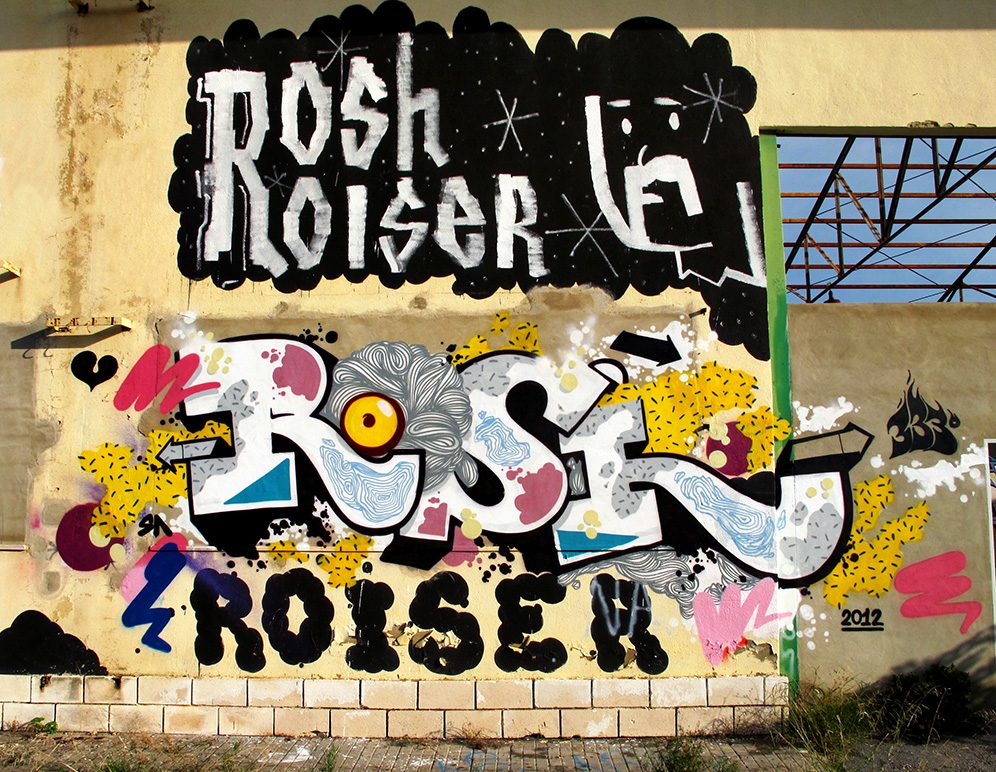
I grew up in a working-class neighbourhood in a small industrial town on Spain’s eastern coast. I’d spend the day out on the streets making up games, and my afternoons in wastelands and abandoned factories; we’d explore the town, dodging junkies on our skateboards who wanted to rob us. A lively childhood, you might say.
Are there any artists in your family?
My mum had a knack for drawing, although she hardly ever did any. I haven’t had any artistic influences in my family.
Did you draw/paint as a child?
When I wasn’t out on the streets, I was always at home drawing. I did it at school too.
Did you read comic books? I remember having several comics before I could read. In part, I learnt to read with this small collection of comics. Since then, I’ve always read comics – at first superhero comics, then underground comics and graphic novels. I loved authors such as John Byrne, Jack Kirby, Moebius, Crumb, Clowes, Corben… Less so in recent years, but comics have always been a part of my life.
How and when did you discover style writing/graffiti?
The first thing that caught my eye wasn’t graffiti, but some murals painted by artists working with pupils from a senior year group at my school. After that, I remember seeing graffiti from the car on the journey back from my grandparents’ house in Alicante to my home in Elche. I didn’t know what it was, but it really caught my eye. I tried to copy it with a paintbrush at a country house where we used to spend our summers – it was a disaster. That must have been around 1987–1988.
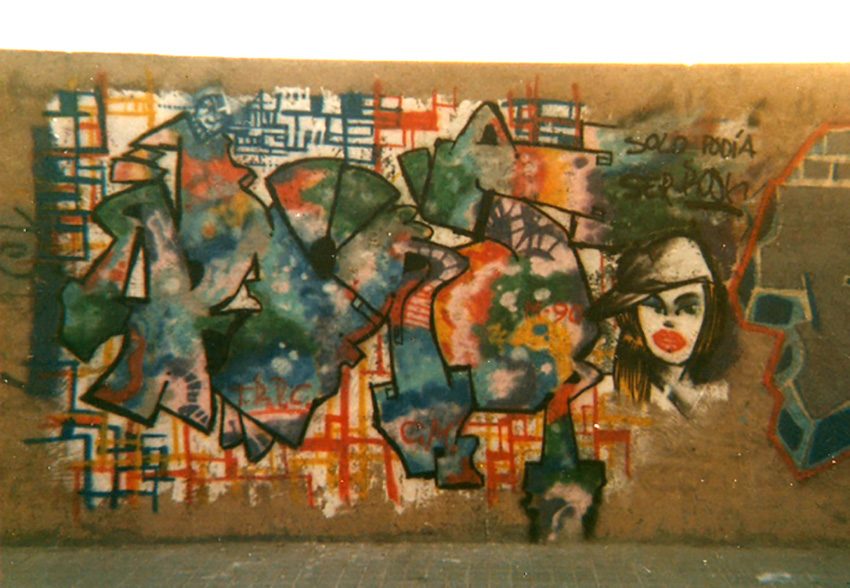
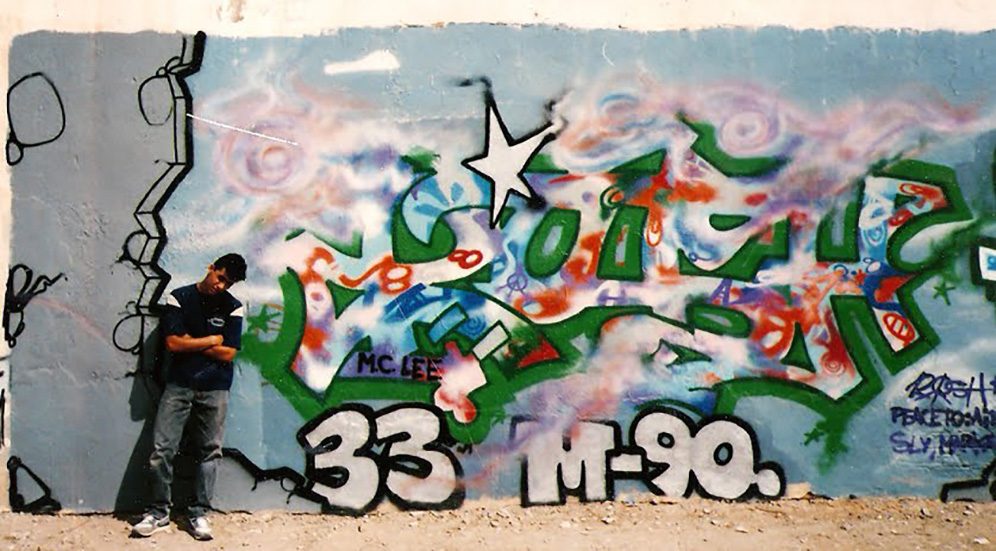
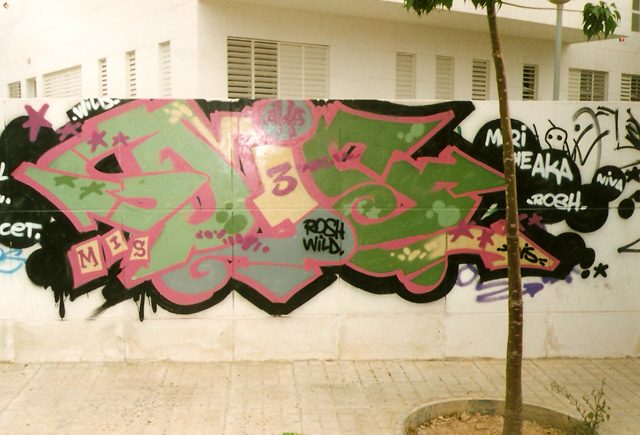
Later, in 1989, word reached the school about a game that involved writing your name; they called it ‘Graffiti’. It was already starting to appear on album covers and in newspaper articles; they even broadcast the documentary ‘Style Wars’ on television. Someone recorded it on VHS and the tape was passed round and round. That year I did my first tags; the following year, my first piece.
How was the scene back then?
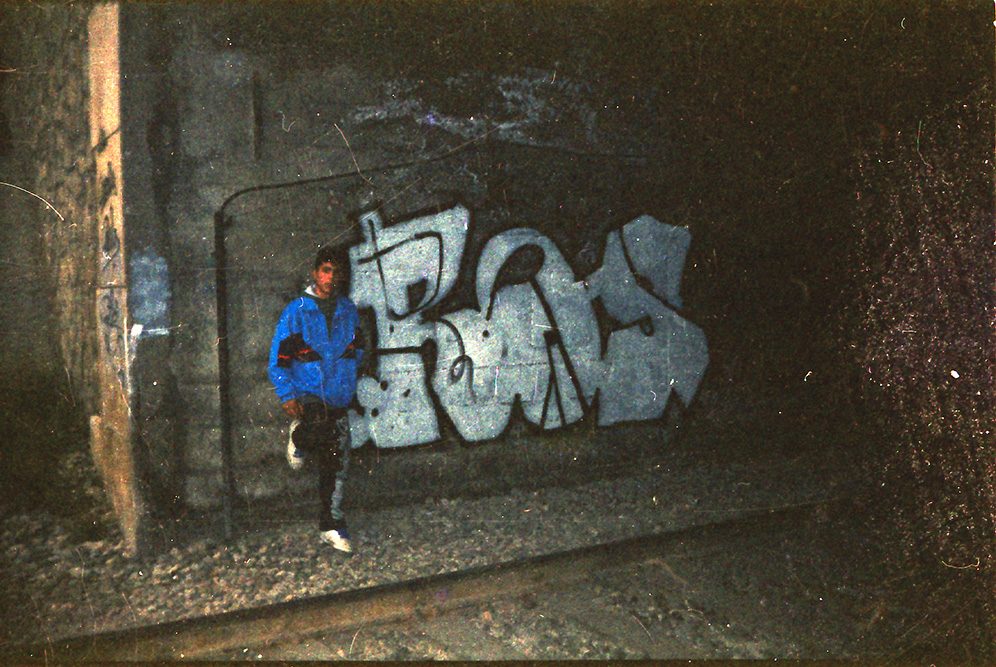
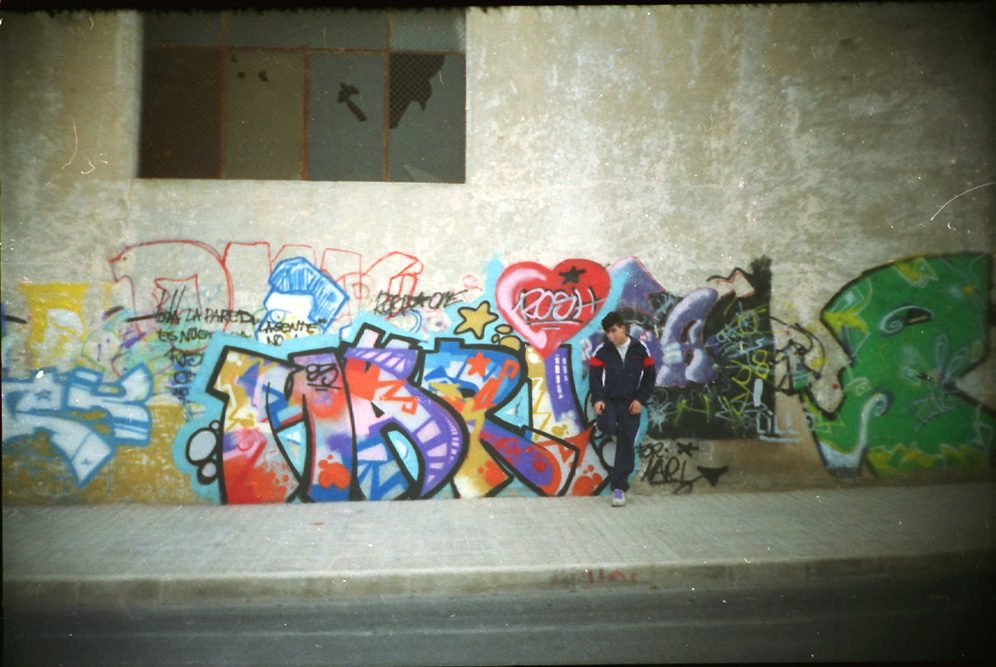
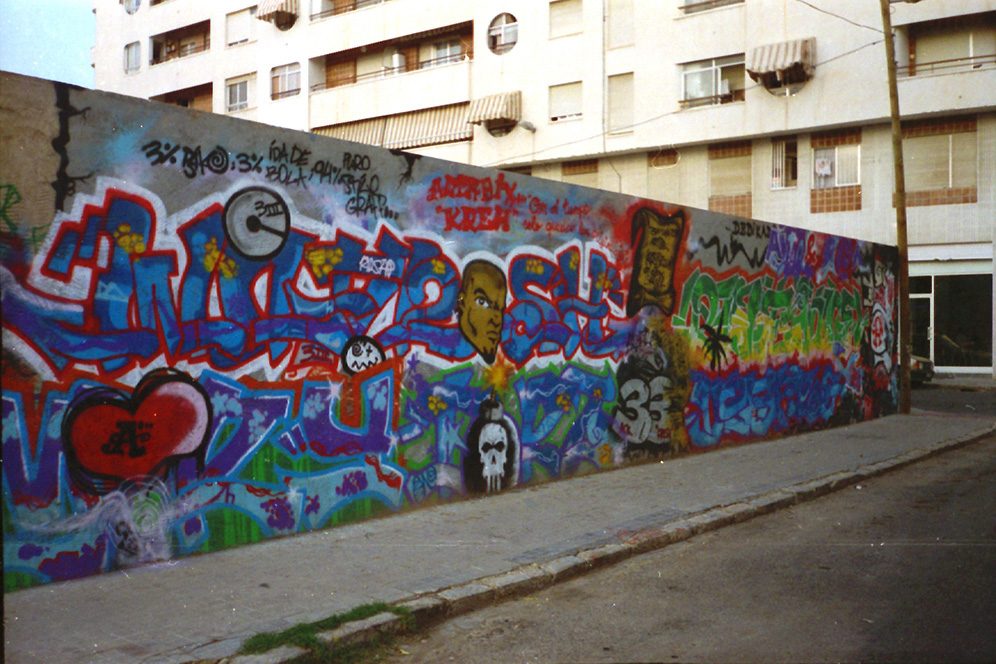
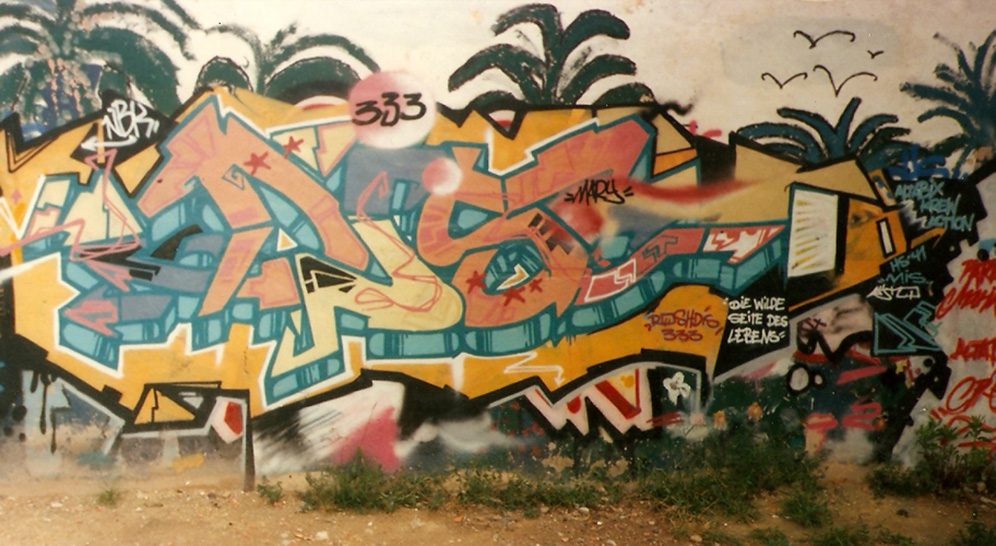
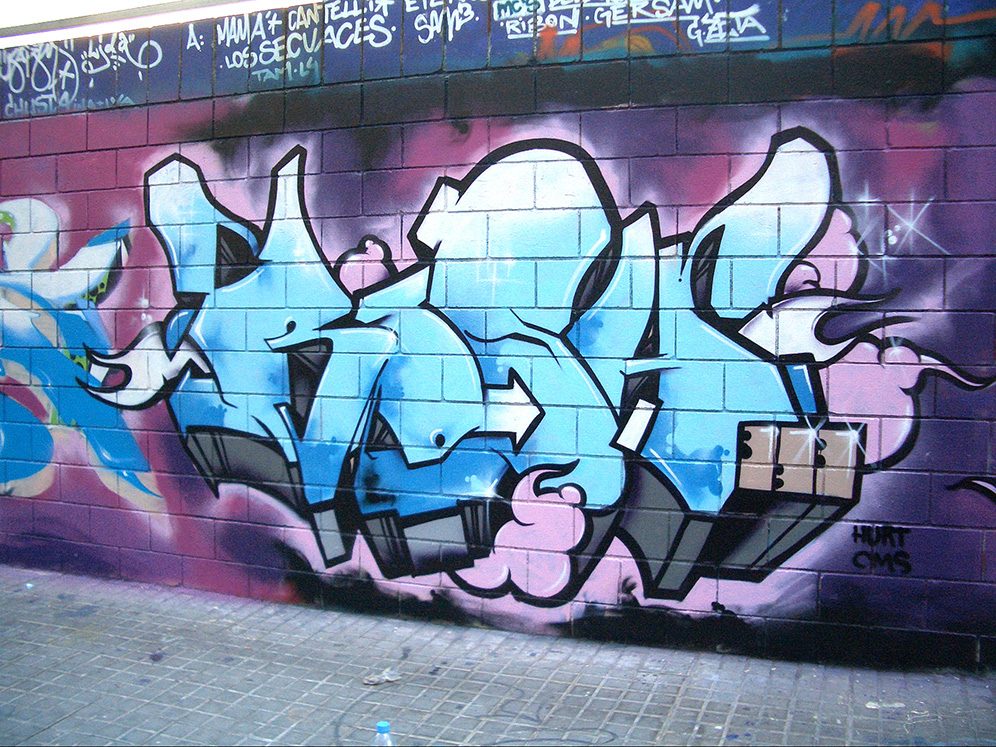
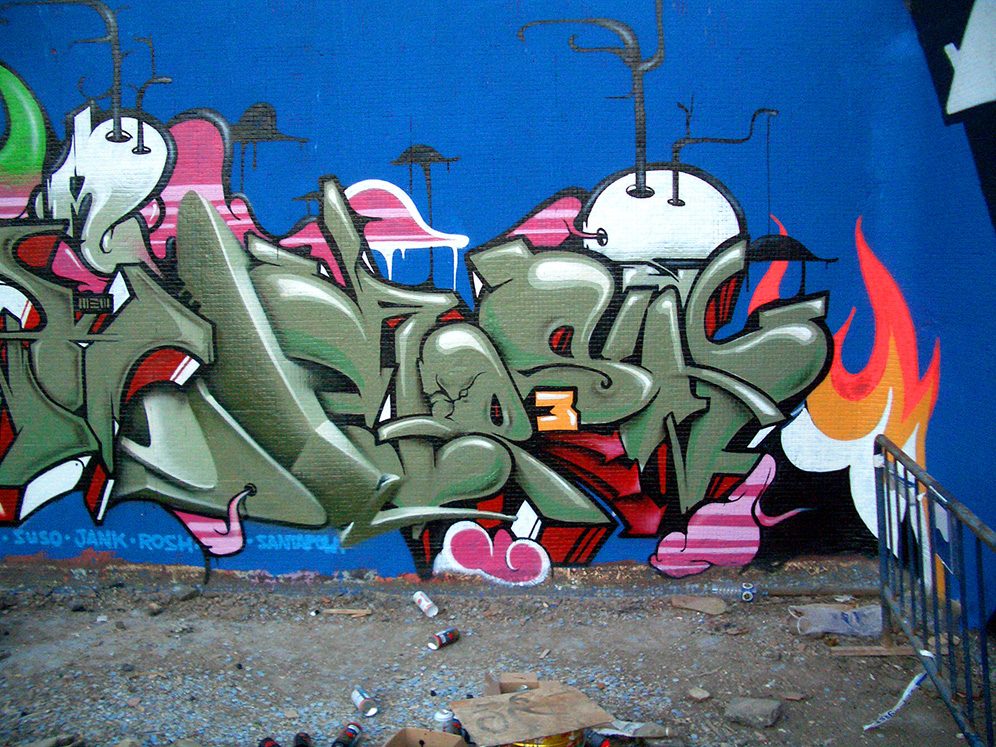
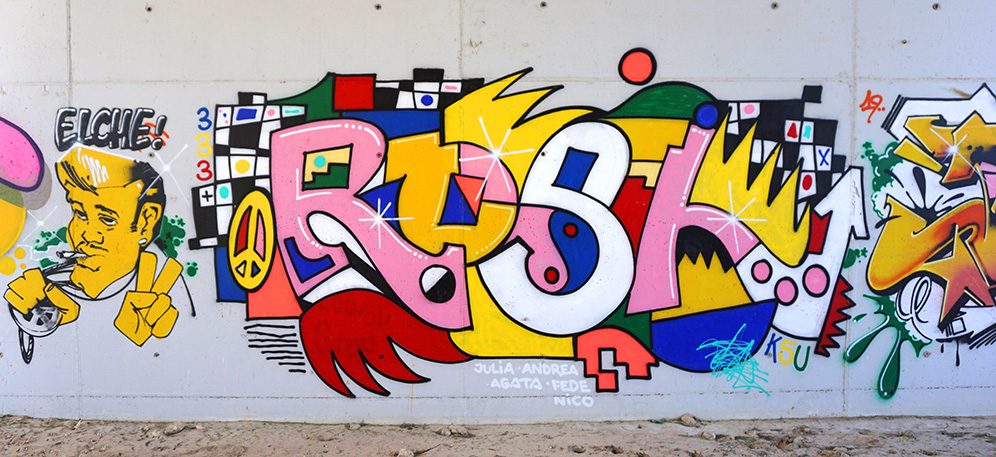
In Elche, there was practically no scene. There were a few writers older than me when I started: Mofe, Sly-Tee, Bop, Kurtis… they were my first points of reference. In less than a year, writers had sprung up all over the city. In our neighbourhood, Altabix, there were several abandoned and half-ruined shoe factories. Together with Aito, Tees, Siria, Ekso, Sinae and other writers, we started painting in these spaces and created what became the city’s first ‘Halls of Fame’. People came from other neighbourhoods to see our pieces and paint with us.
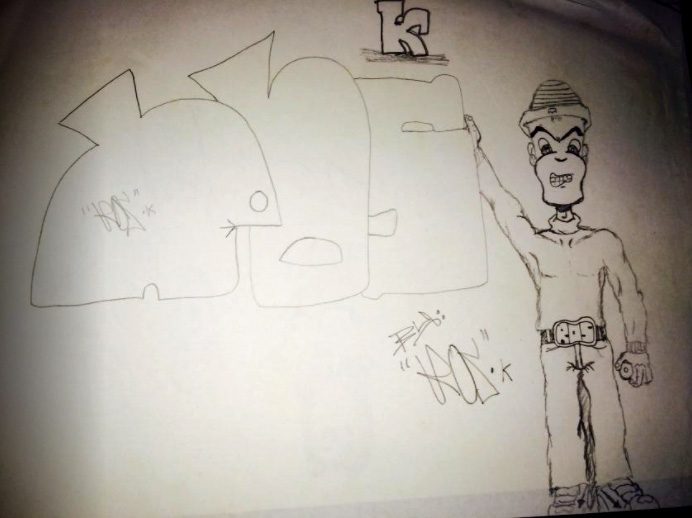
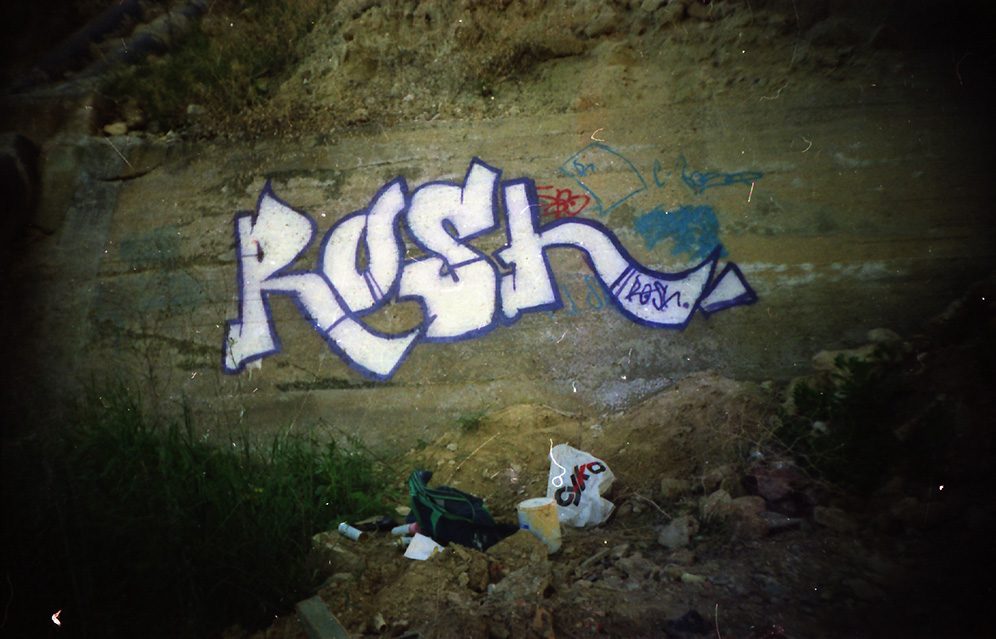
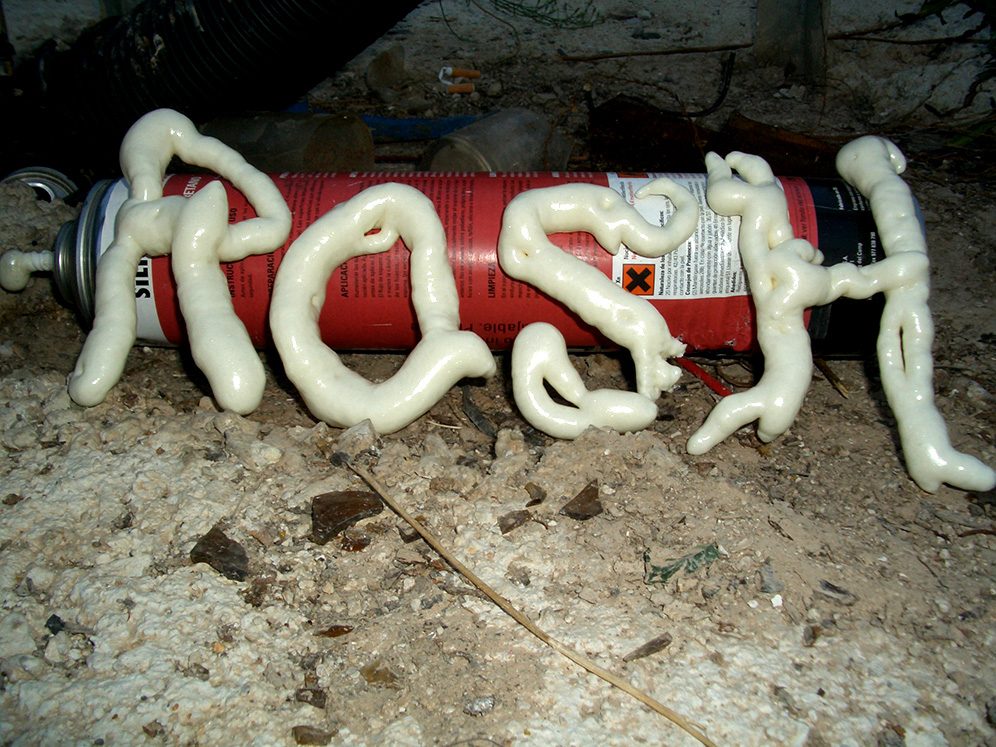
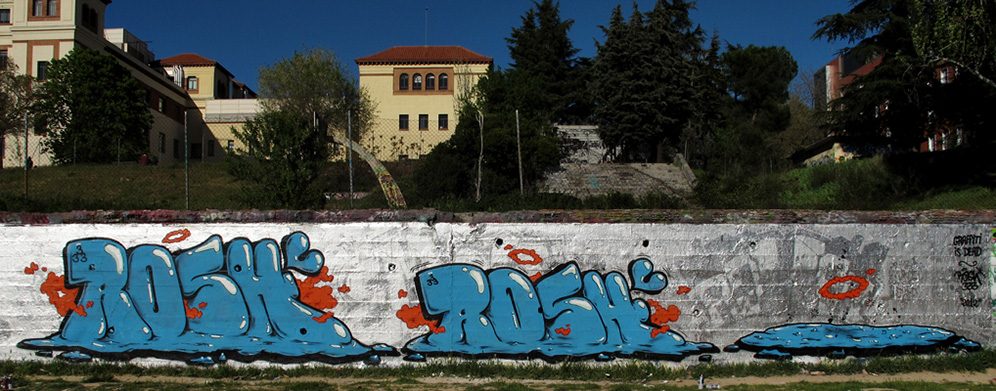
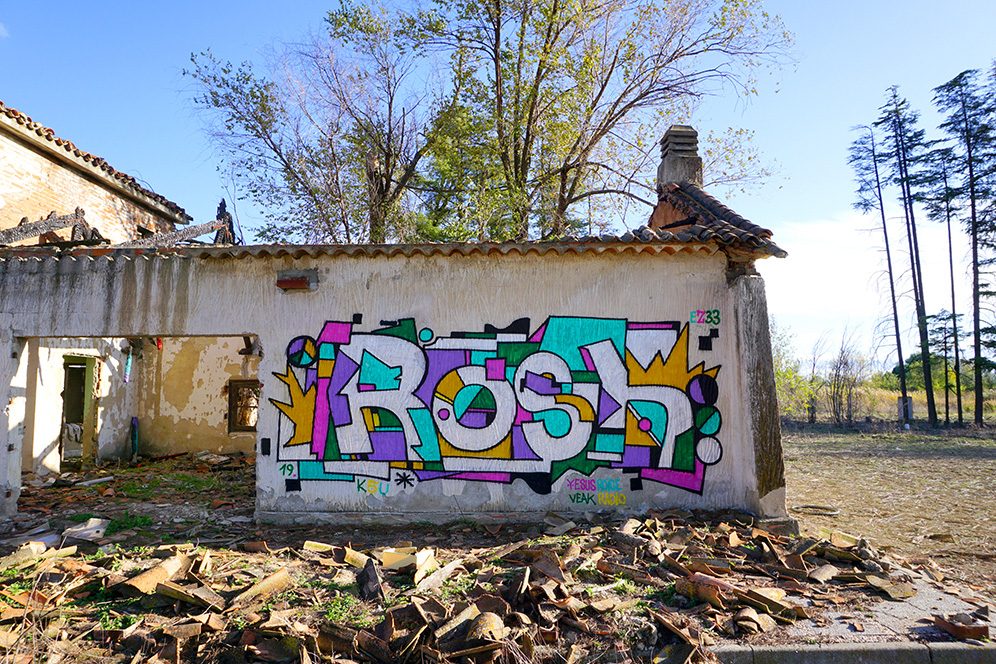
With what names did you start? My first tags were Raúl and Bucky, for a very short while. I chose ‘Ros’ and then ‘Rosh’ as my main tag, although I also used others such as ‘Wild, Dis, Dys, Horse’.
How important was tagging for you? And what about throw-ups?
The tag is the essence of the letters, the structure, the most concise form of the name. Throw-ups are the next step up. I haven’t been very prolific in these disciplines, but I recognise their importance. Bearing in mind that in those early years of painting, we had spaces where we could develop our style, I preferred to create more elaborate pieces.
Were you active in any crews? If yes, which ones?
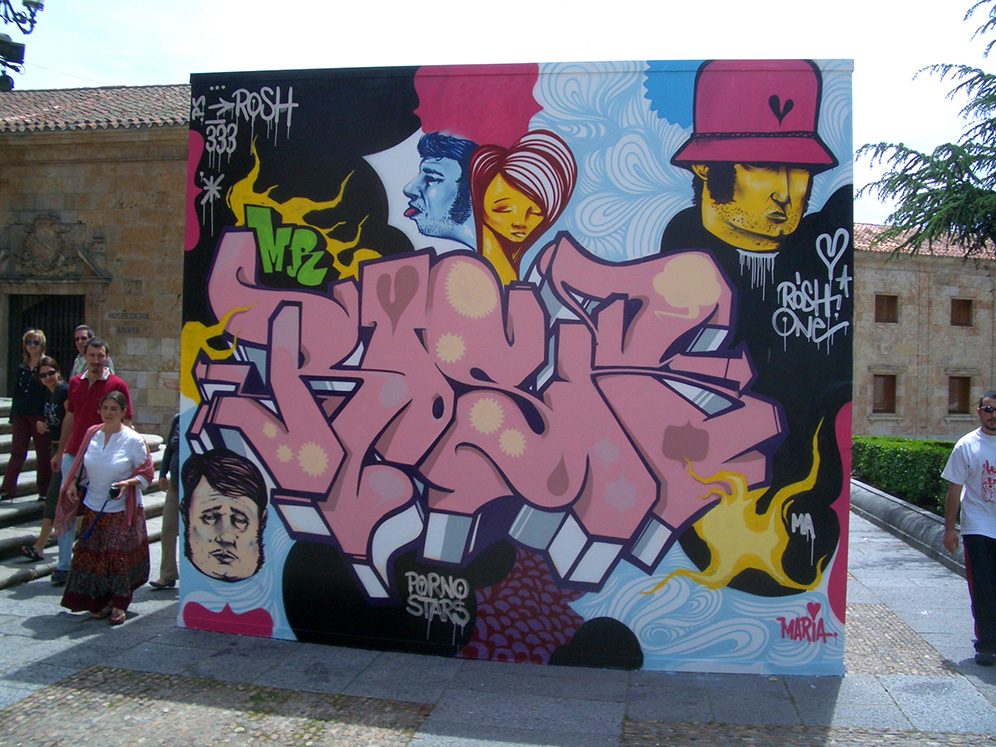
AKA (Altabix Krew Action), CM (Comité de Mafiosos) and a few others. But my first proper group was ‘EZ33 (Estilo en la Zona 33)’, which has evolved over the years into ‘33, 3III or Los 333’. Aito and I set it up in 1993; it’s still active with more members, and in 2026 it will be 33 years since it was founded. In early 2000, I was part of the group “Porno Stars”; Dems, Okuda, Rois, Seleka, Dibone, Srger, Okan, Jank… were some of its members from different Spanish cities.
Any particular style or writers influenced you in the beginning?
Like most graffiti artists, the documentary *Style Wars* is a major reference point, along with publications such as *Getting-Up* (known in Spain as *Los Graffitis*), *Spray Can Art* and *Subway Art*. Older, more experienced graffiti artists also influenced me.
From those early years, I remember the works I saw by Futura 2000 as a major influence. From *Style Wars*, I really liked the pieces by Dez, Skeme and Seen. The European influence of Bando, PCP, SDK… Bear in mind that this was the pre-internet era; information trickled in through fanzines (*Game Over*, *Xplicit Graff*), swapping photos with writers from other cities, or the photos you took yourself on your travels.
From 1998/1999 onwards, with the arrival of the internet, things changed; you had access to more information – and not just about graffiti, but also references from other creative disciplines.
Which styles did you prefer: Block letters, Wild style, 3D style etc…?
It depends on the period. I’ve worked in all styles, though I prefer wild style or semi-wild style.
You also painted some characters, mainly heads. What inspired you to paint heads?
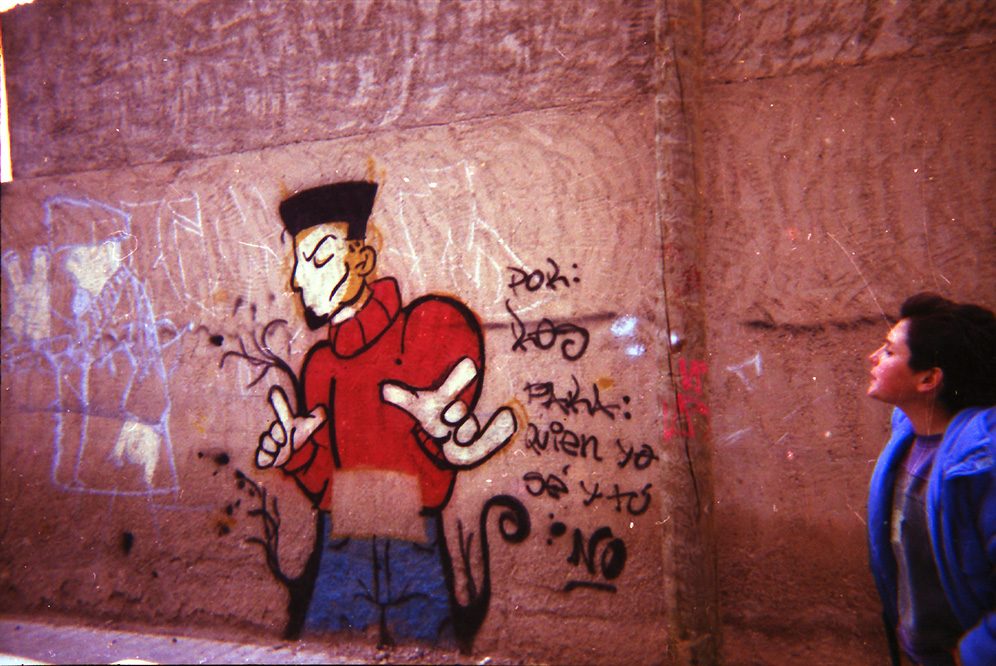
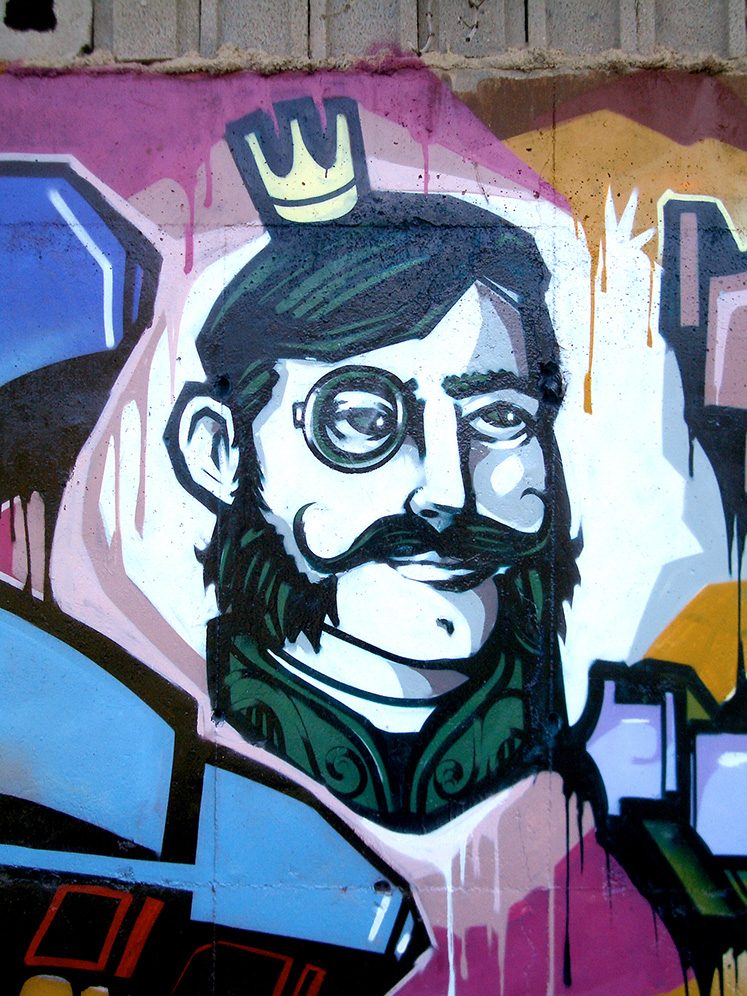
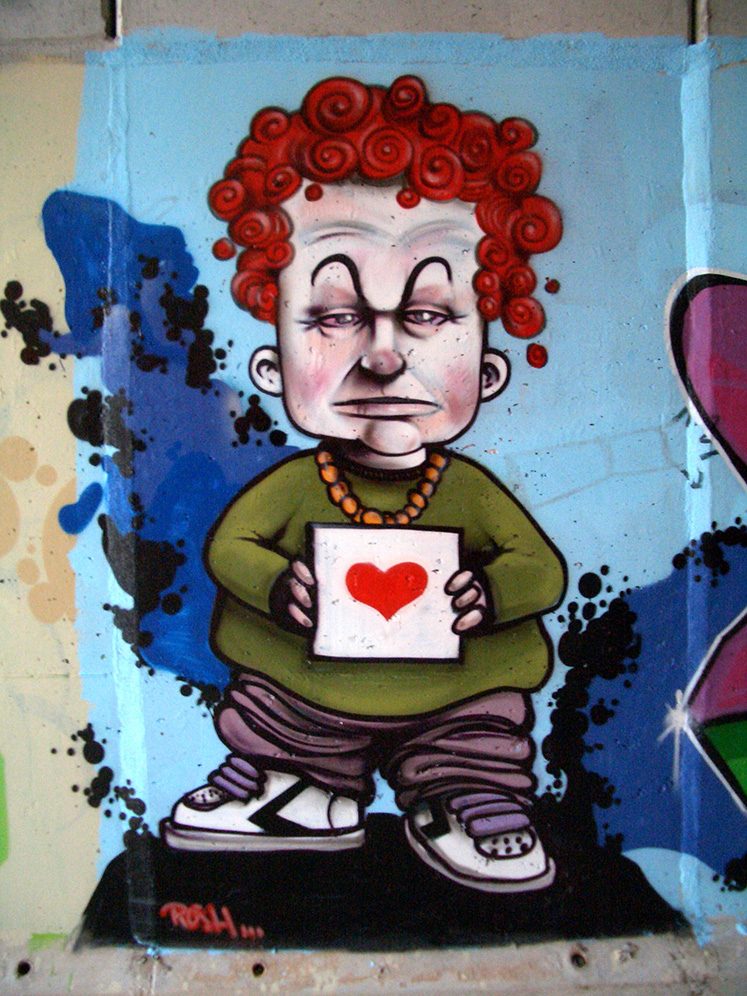
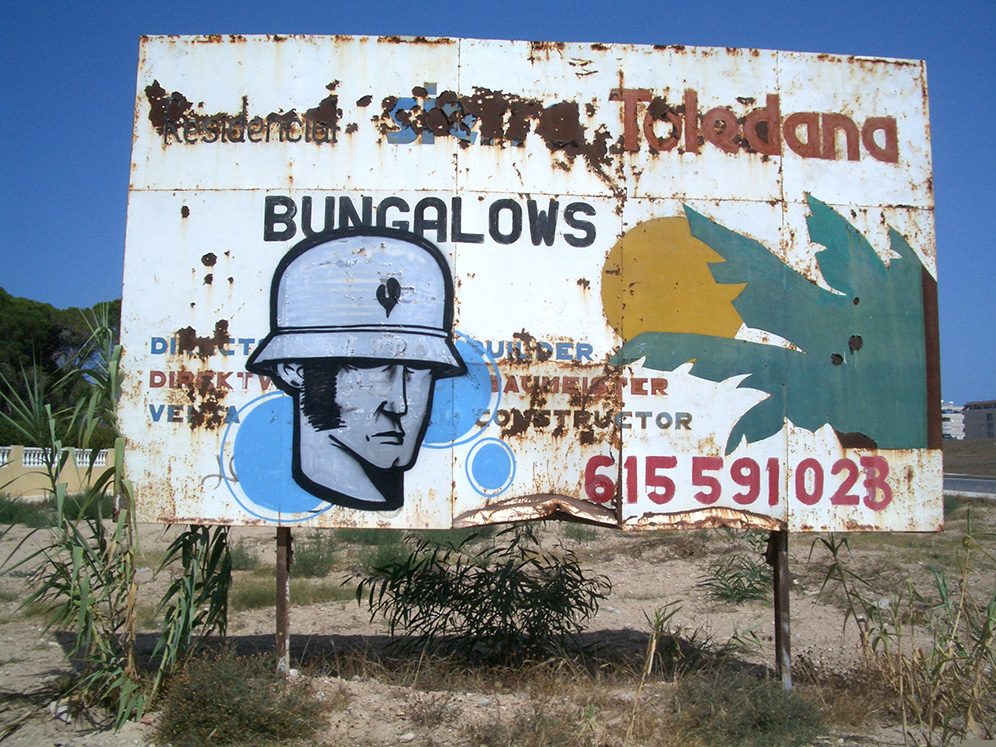
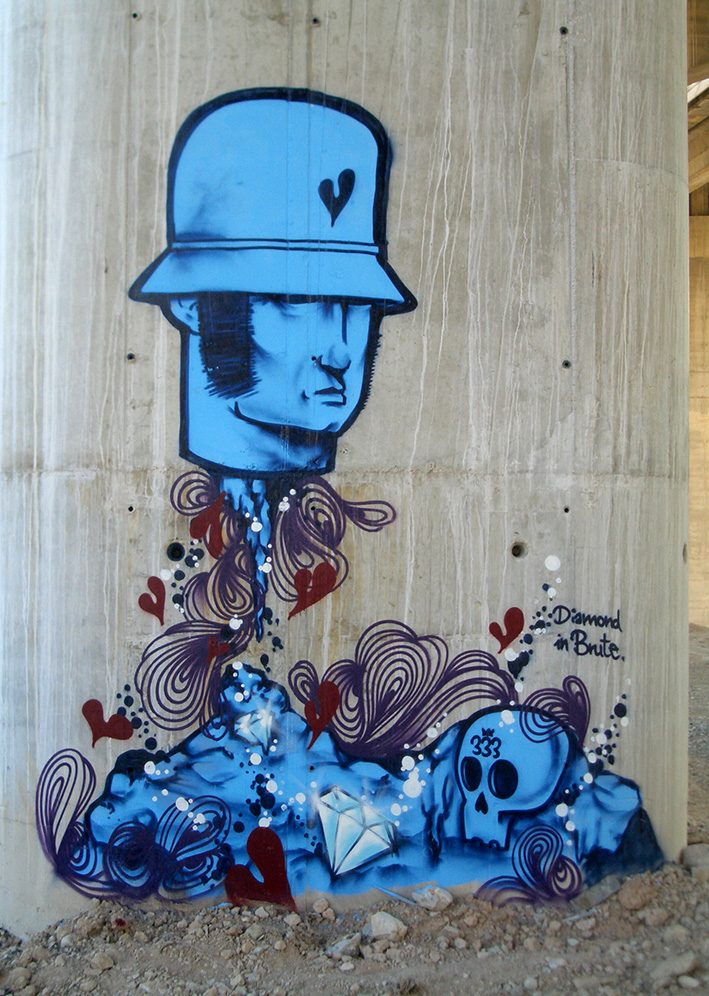
I’d seen some artists working with icons or logos, such as La Mano, Flying Förtress, Suso33… I thought it was a good idea to create my own icon – one that everyone would recognise, that would fit into small spaces and be quick to draw.
I used a character wearing a ‘Kangol’-style hat as a reference; I’d drawn it alongside one of my earliest pieces. I added a heart as a mark on the hat. Later on, this heart icon became separate from the character.
In Elche and the surrounding area, it was quite talked about by people outside the graffiti scene. They started calling them ‘Soldiers’; there was even someone who set up a blog where they uploaded photos and their locations. Some of these ‘Soldiers’ have stood the test of time.
Can you describe your style in the beginning?
Right now, I see it as a mix of different styles, though with a latent desire to define a personal signature. I also see a constant search that continues to this day.
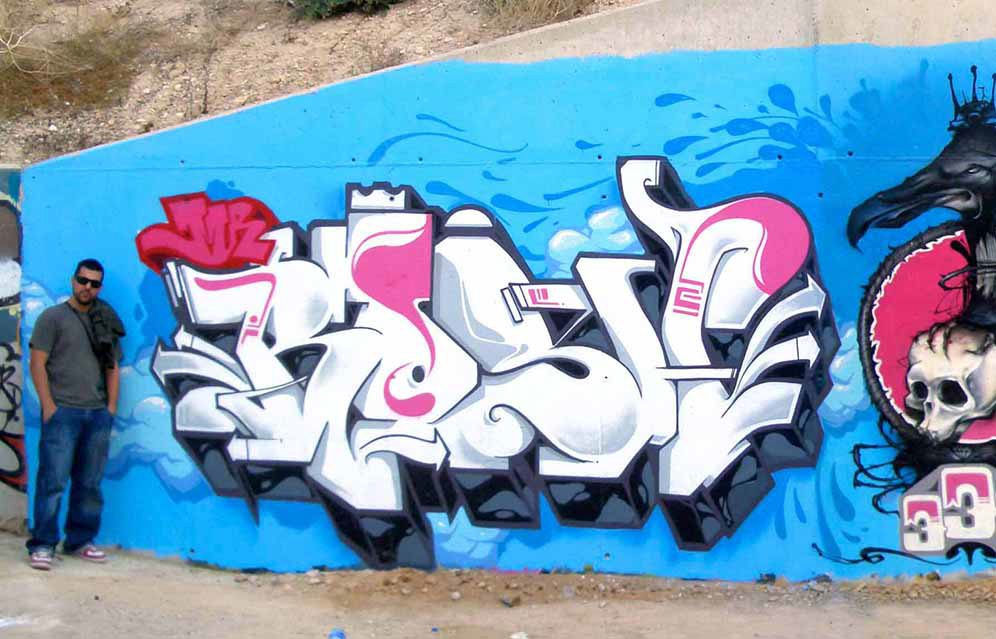
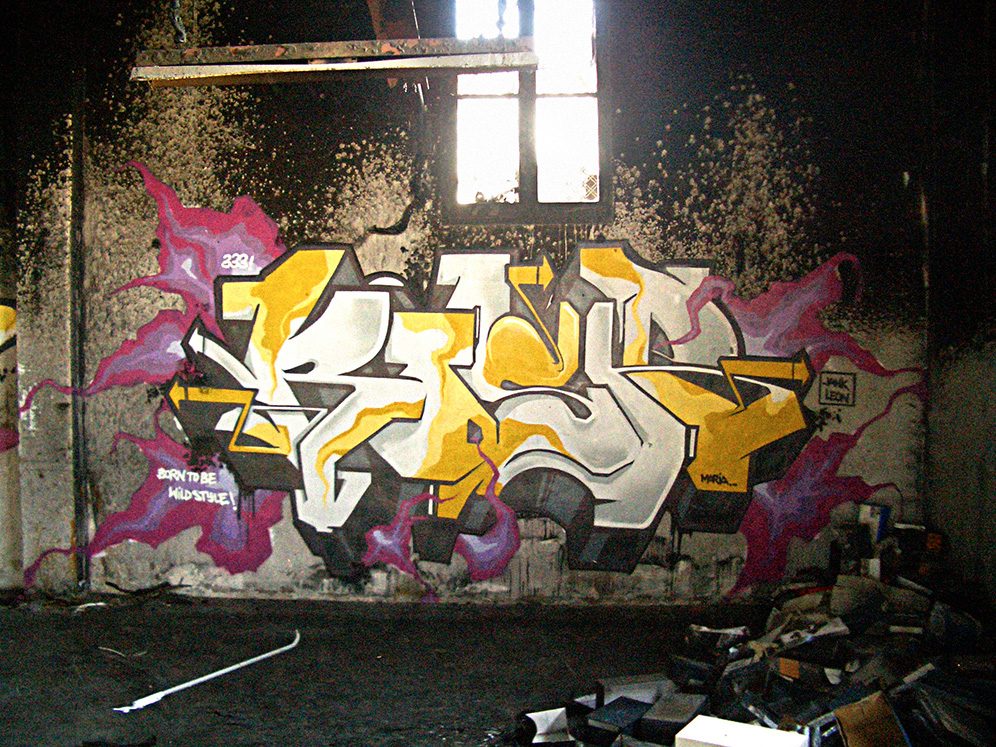
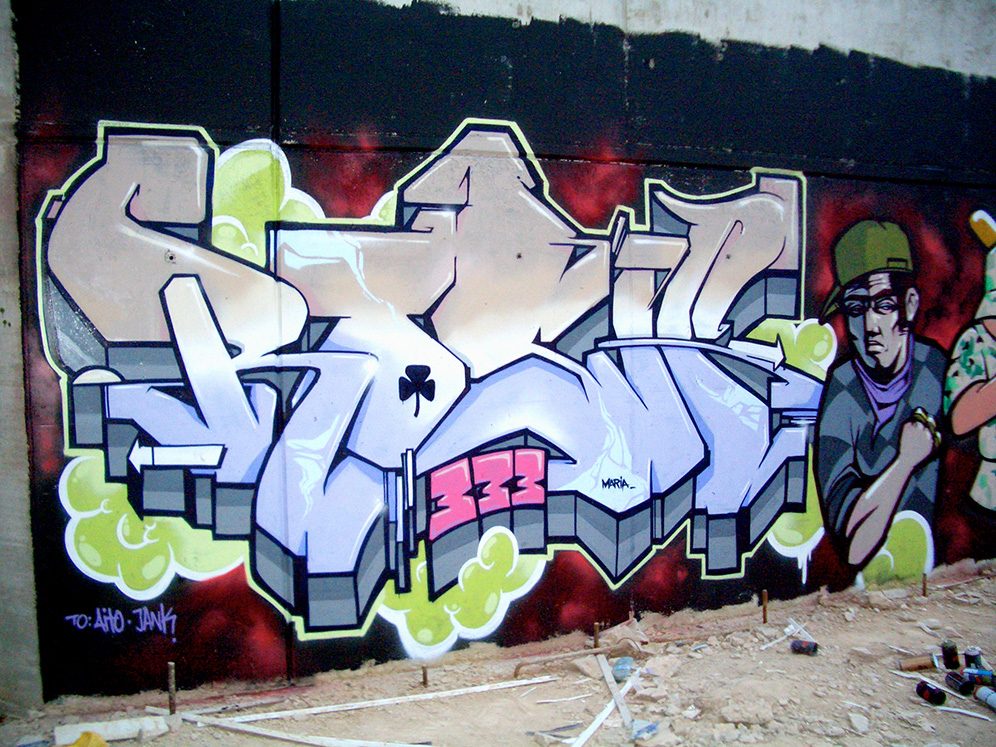
Where did you paint most at that time?
Mainly in abandoned factories, retaining walls on the outskirts of the city, half-ruined houses, and bridges. Almost all of it was in and around Elche; I’d also paint whilst travelling.
Does your moniker ROSH have a meaning?
It was a choice based on the letters and the sound; I liked the way they worked together. Also, my first name is ‘Raúl’ and my second surname is ‘Rodes’, so I liked the fact that it had some connection to them.
Did you study after school? Did these studies influence your actual graffiti practice?
My training has been mainly self-taught, combining artistic practice with a professional career in the fields of graphic design, art direction and graphic production. I’ve complemented this journey with specialised training in graphic design, pre-press and editorial production processes, consolidating technical and conceptual knowledge built on professional experience and personal research.
Naturally, all this learning has had a direct influence on both my work in public spaces and my studio work.
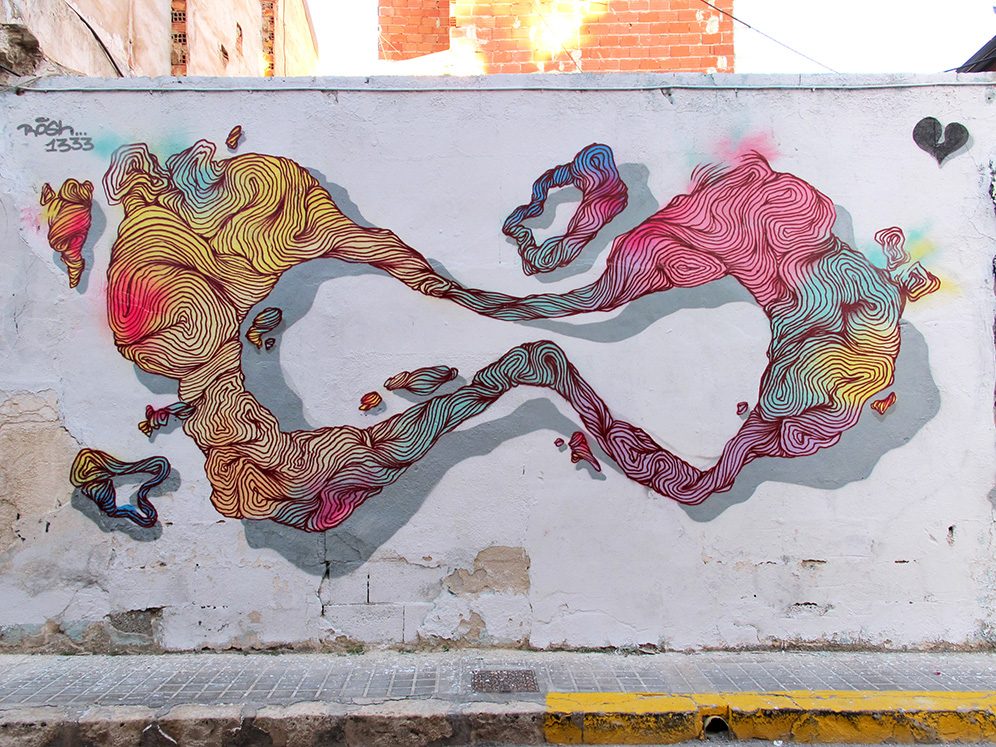
After 2008, you started to experiment with abstract forms, like lines and other shapes. What gave you the input to leave letters behind?
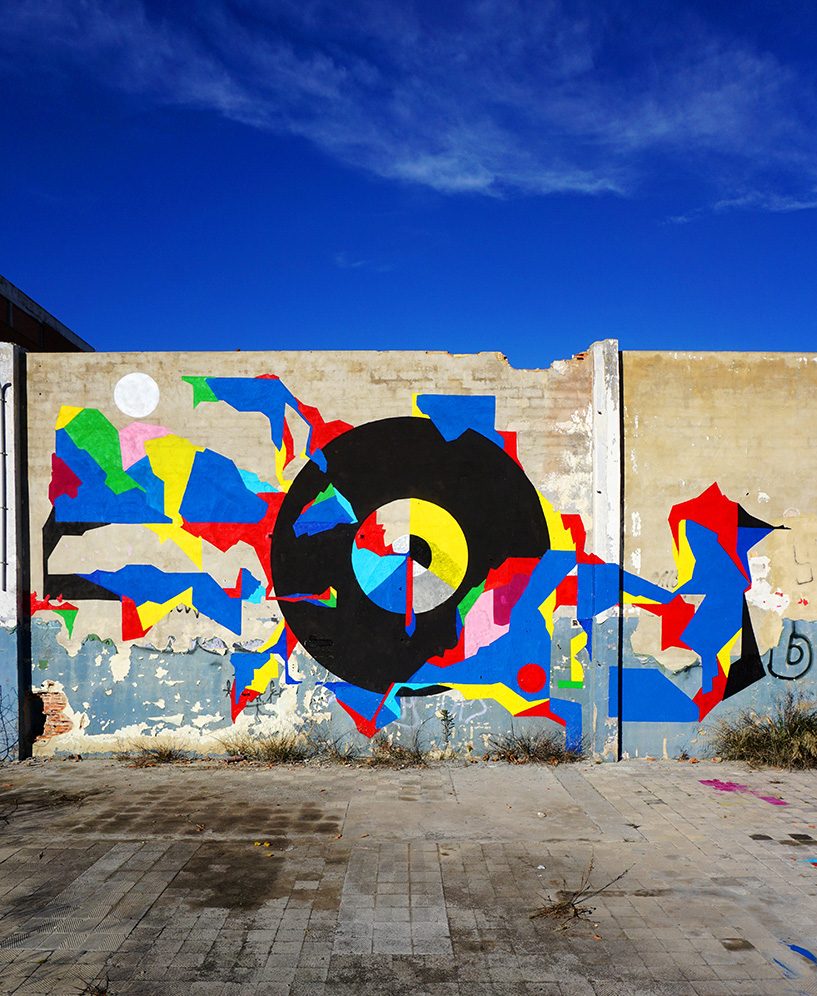
I didn’t give up letters – I still do it to this day – it’s just something I do for myself, for my friends and for anyone who happens to come across it. With this line of work, I opened up what would become another field of exploration. As I gained knowledge in art and other disciplines, I gradually incorporated them into my work in public spaces.
Can you describe this phase?
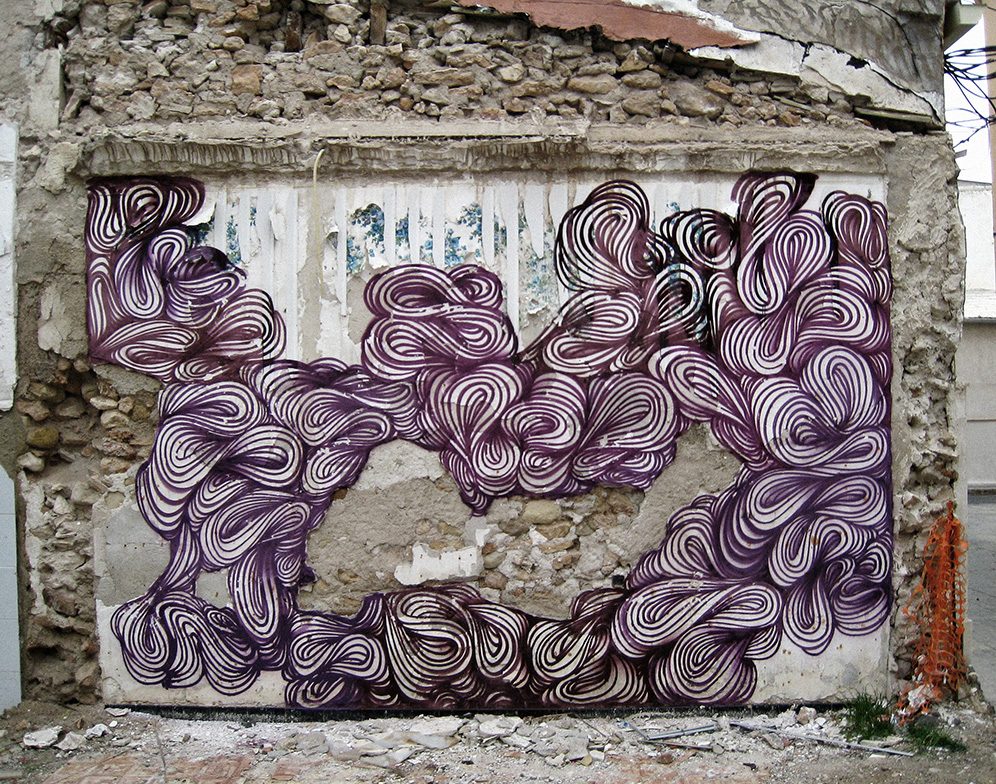
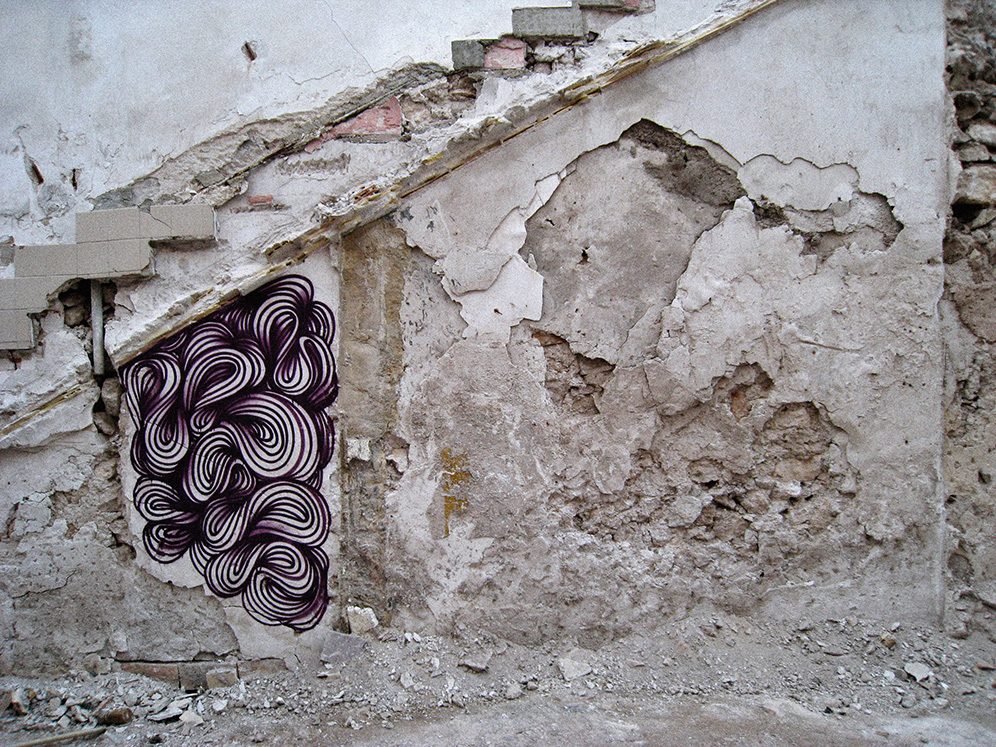
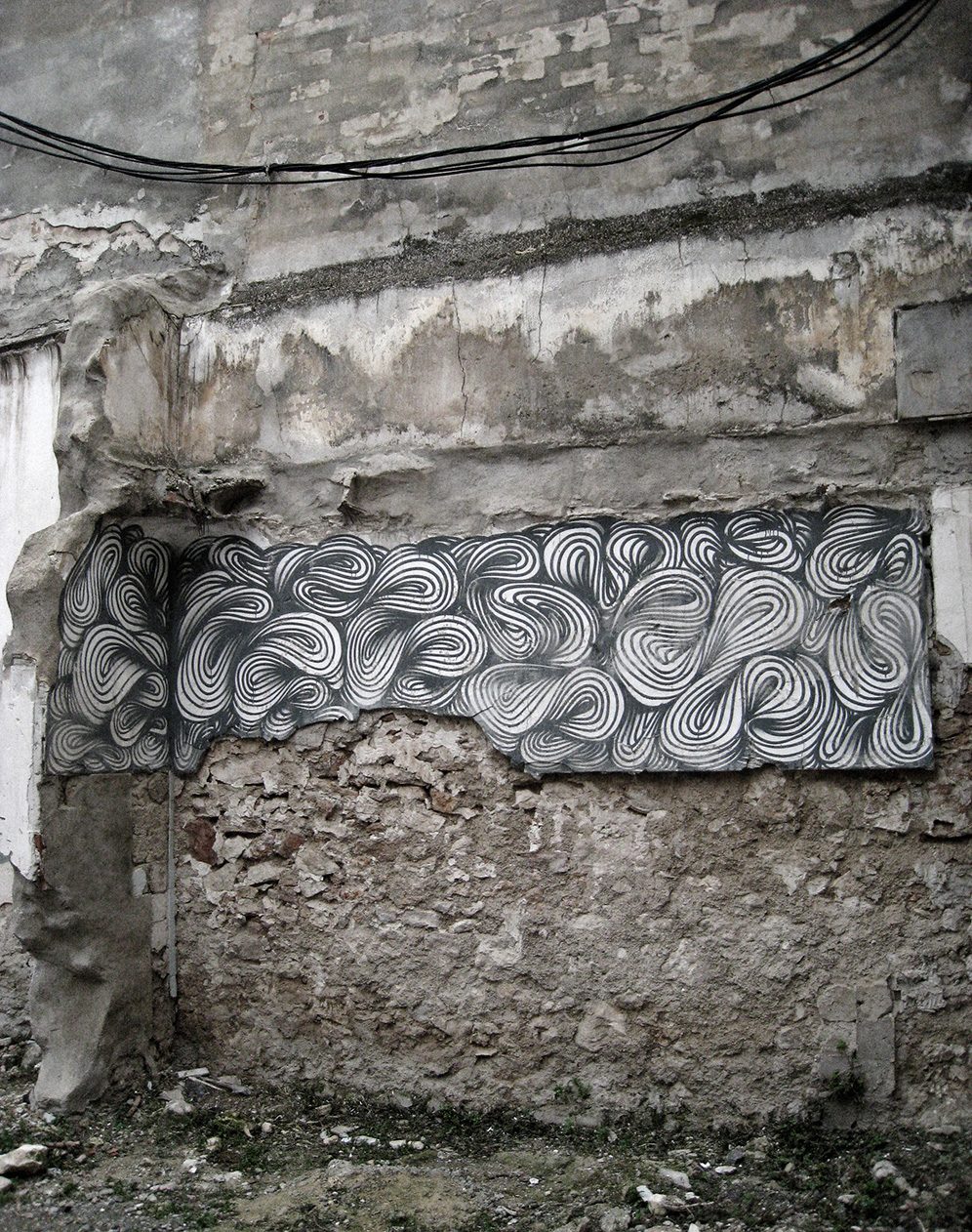
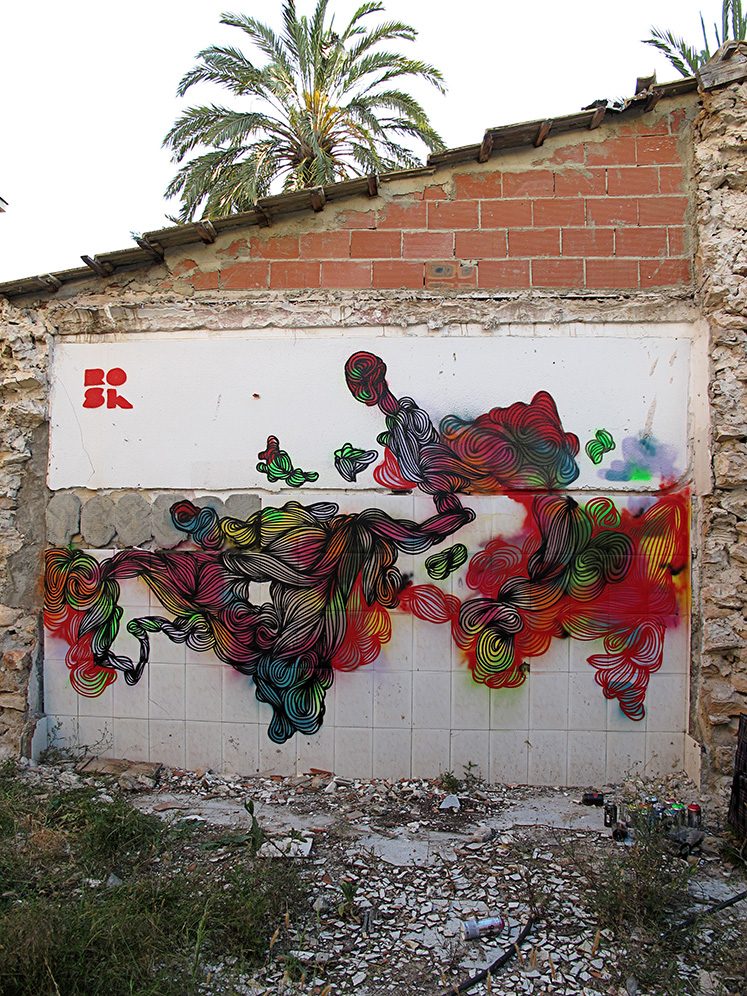
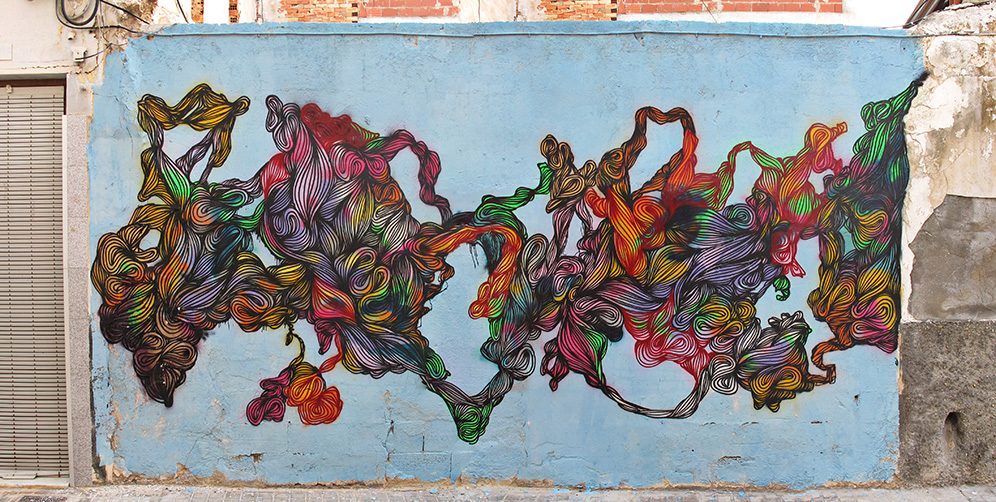
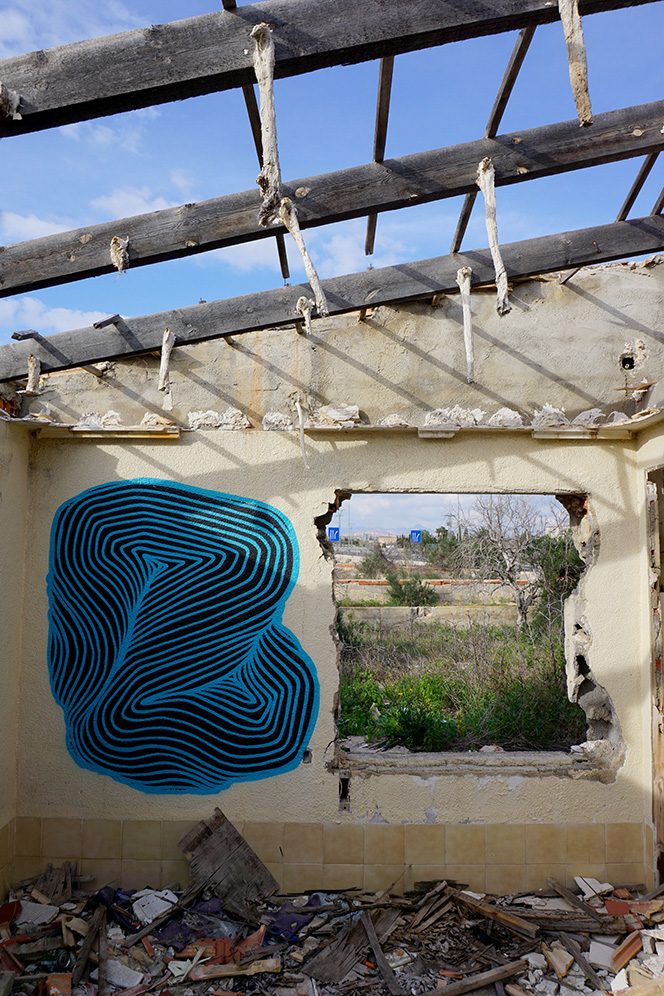
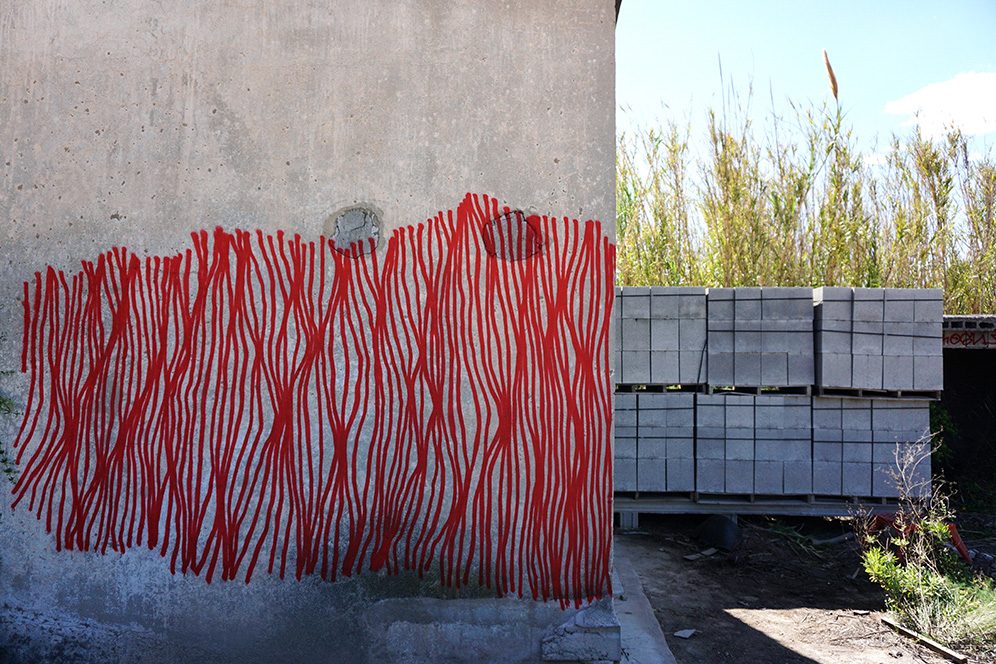
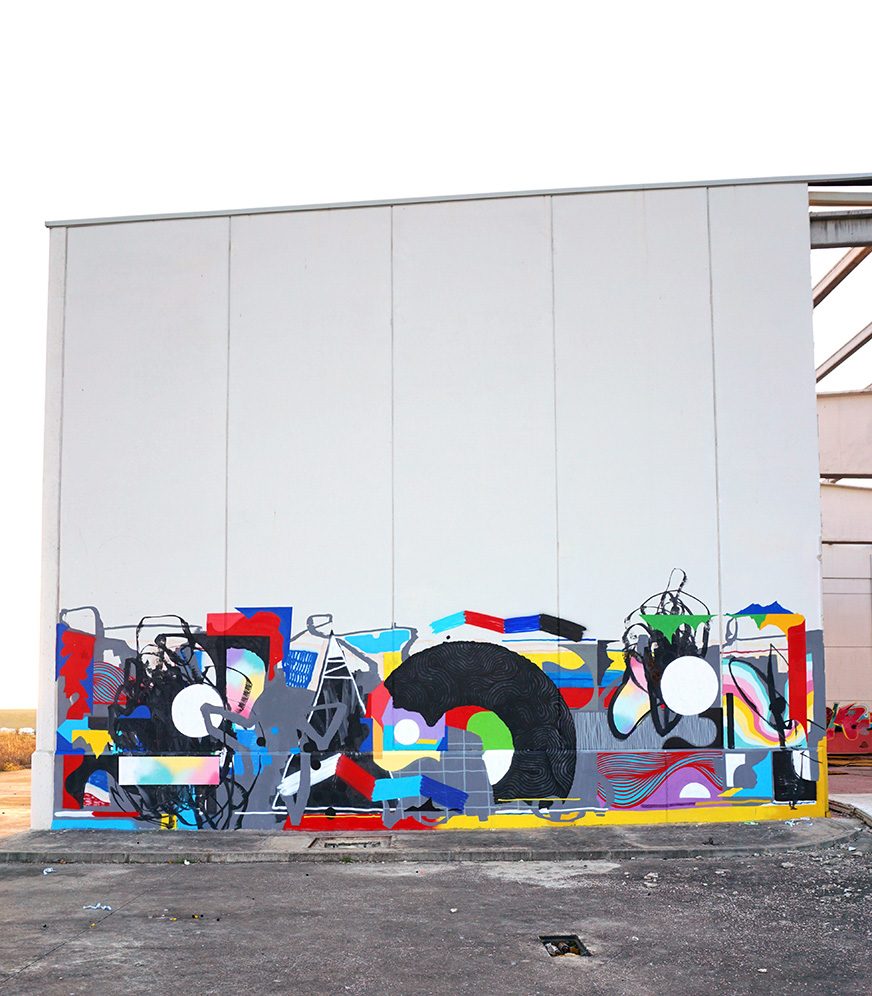
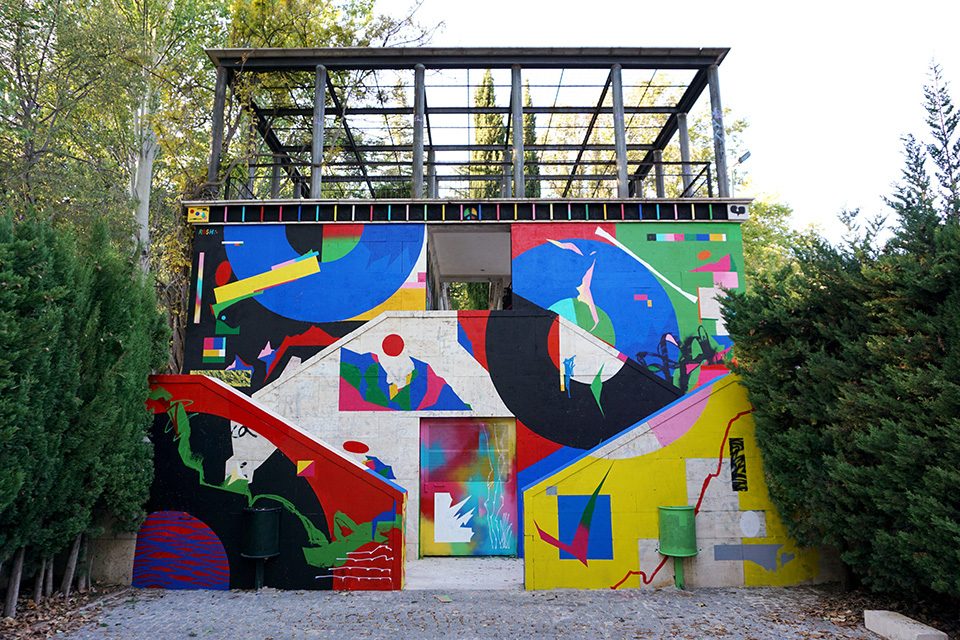
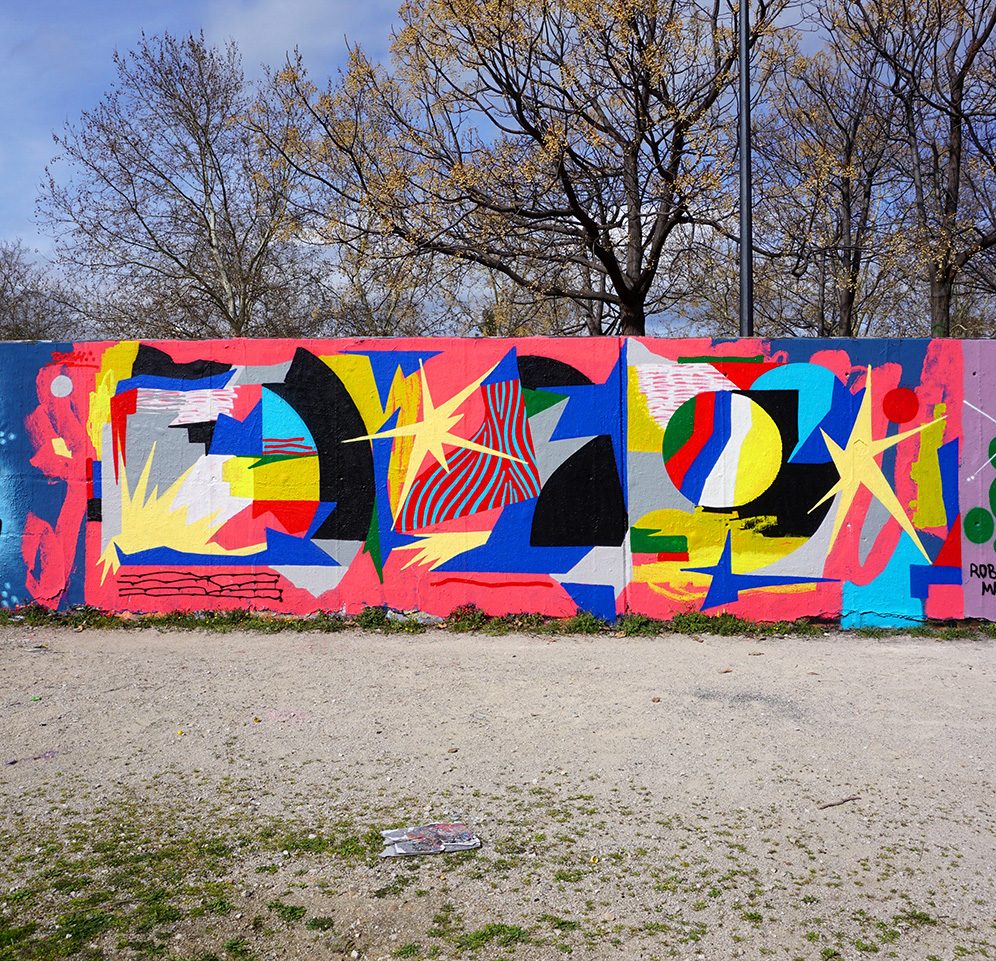
I was interested in creating interventions in specific spaces – spaces that already had their own inherent meaning. This has become increasingly important to me. Contemplating the textures of the wall, the memory of the space, the architecture, and intervening so that my artistic language could expand that space. In my line-based work, I was very interested in the act of painting itself—the moment of drawing one line after another. It was a kind of automatism, and I also saw the process as a form of ‘meditation’. I really enjoyed the action for its own sake.
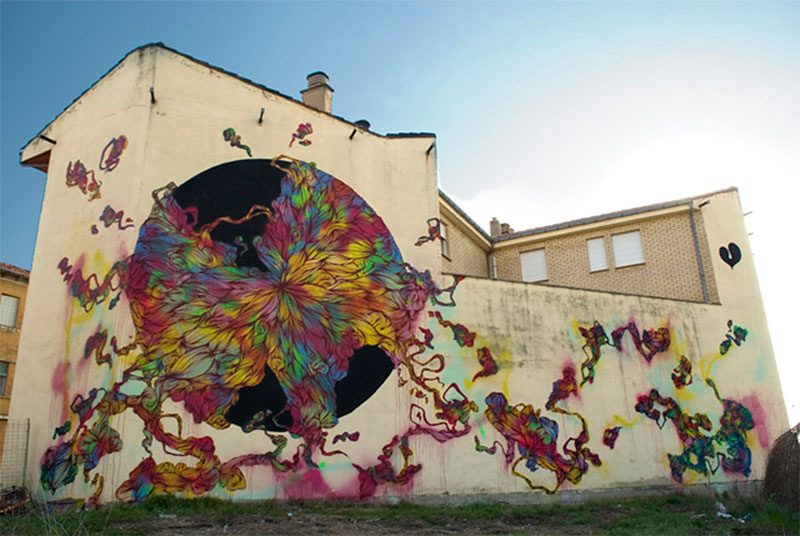
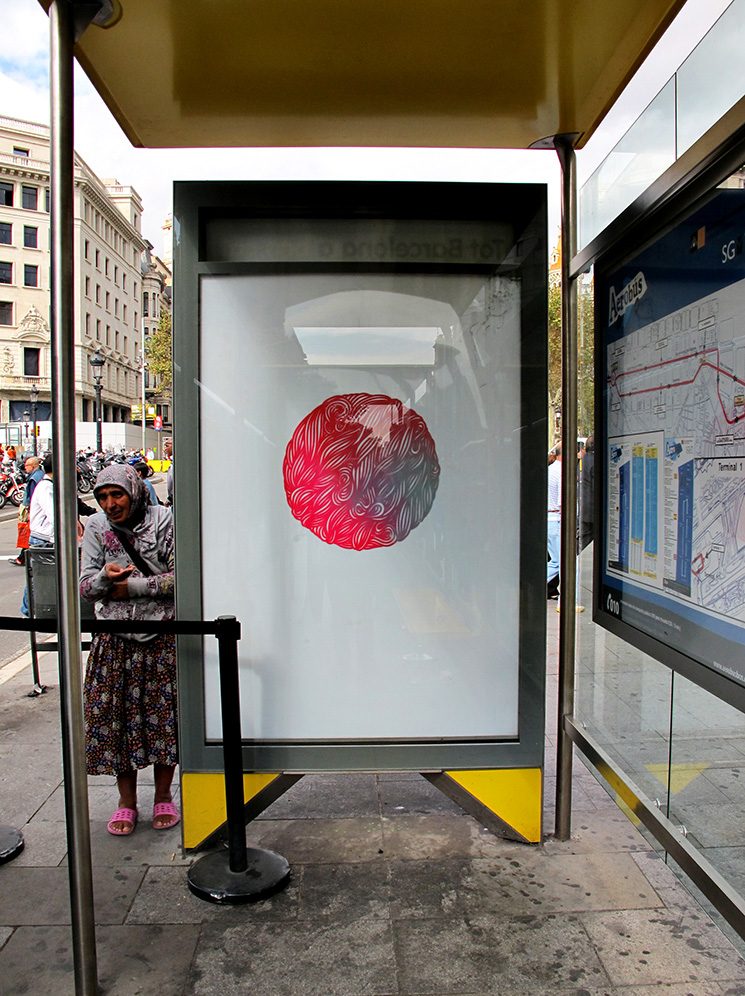
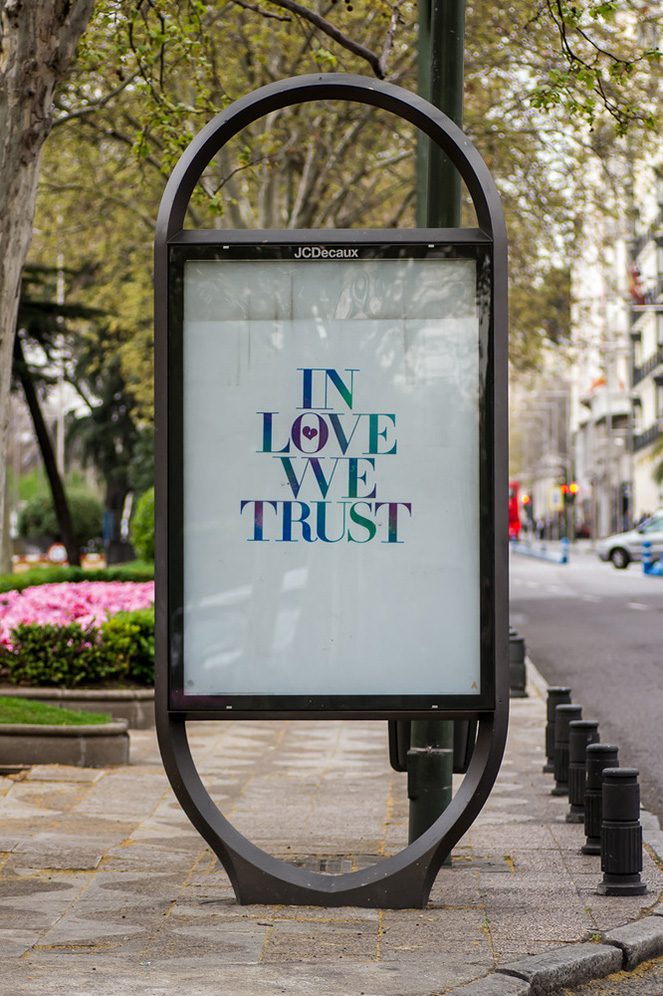
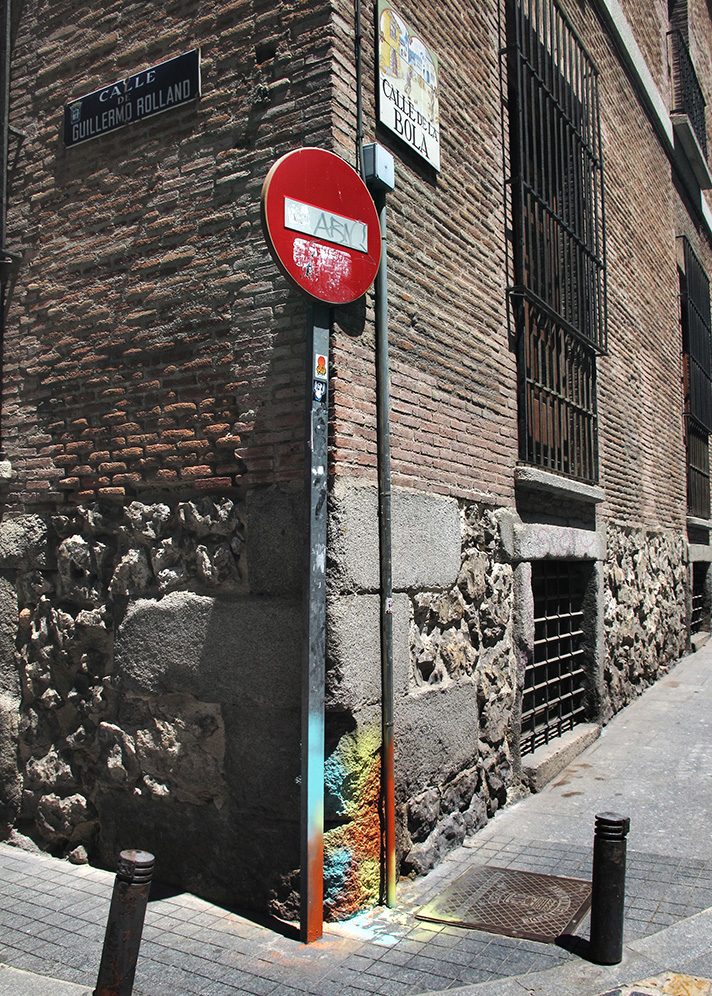
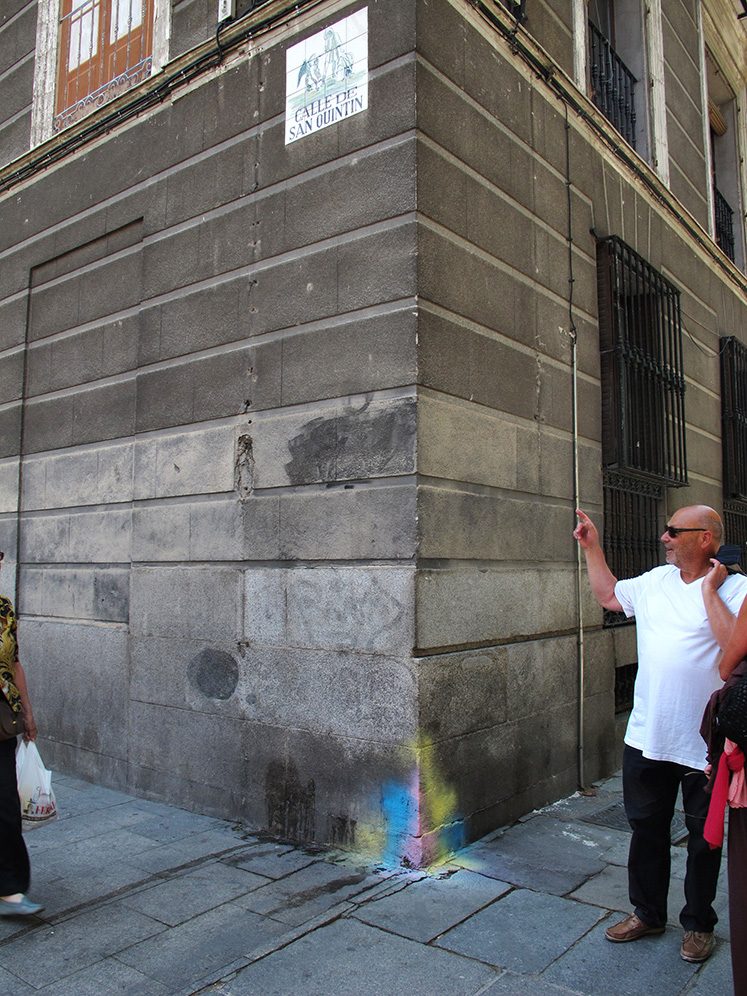
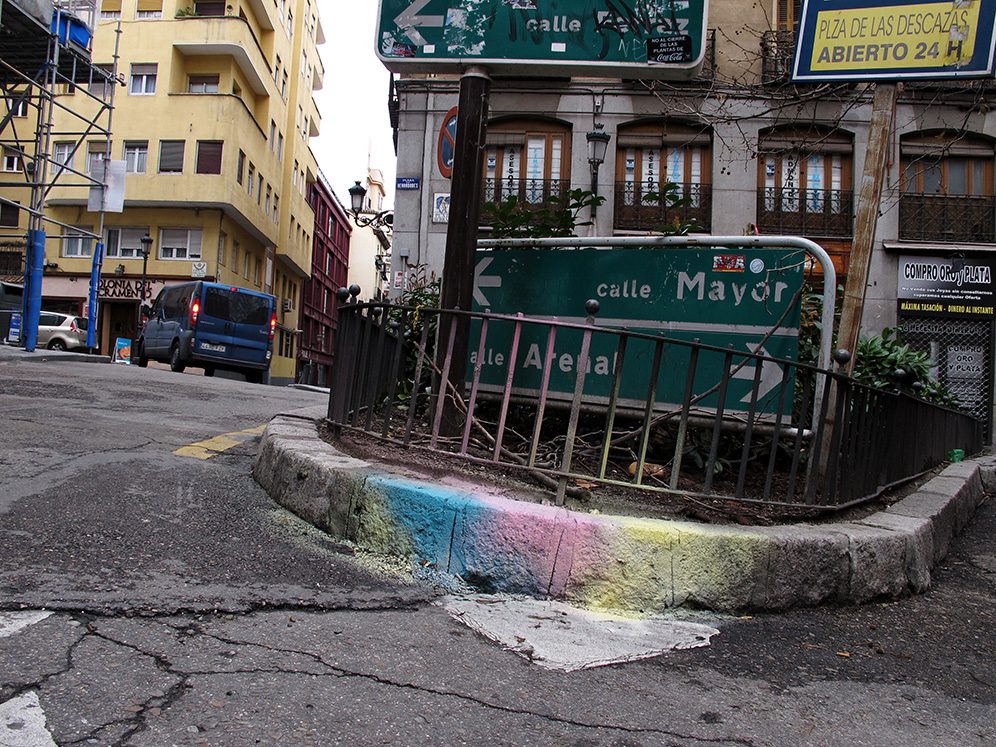
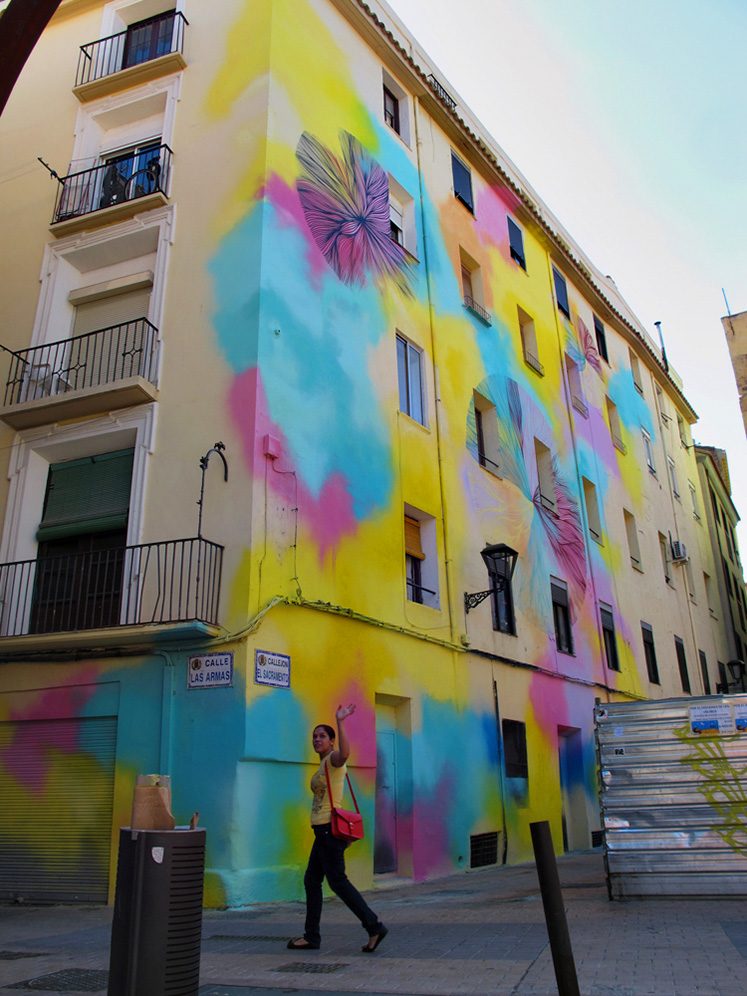
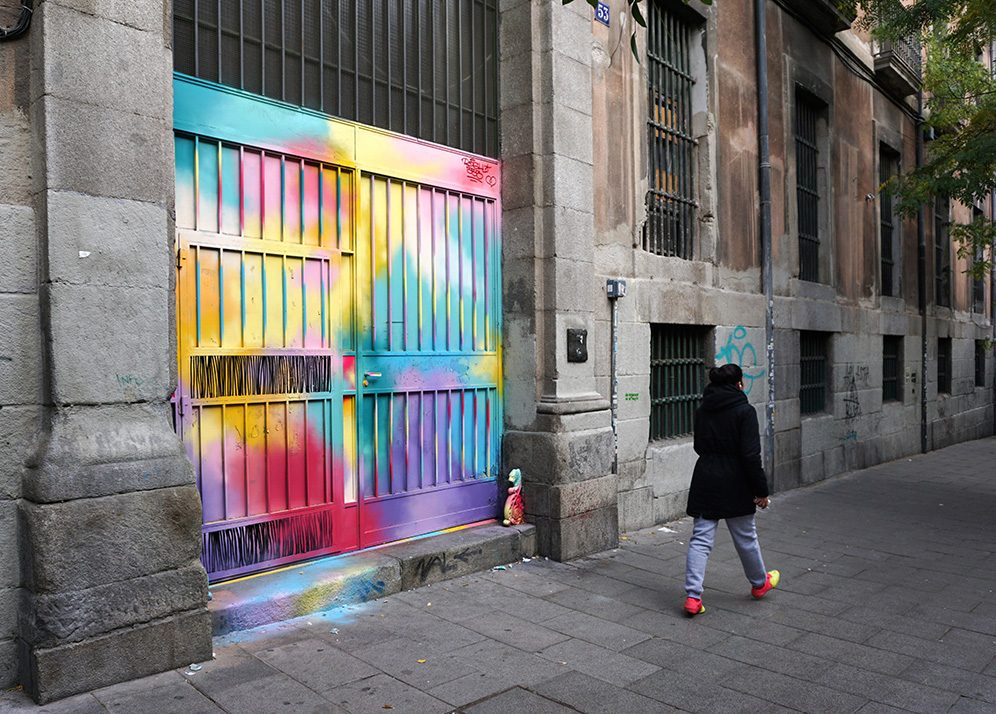
From 2013 on you also did some works called piss series. Coloured stains on different surfaces like wodden sticks, the path walk, buildings, mainly with pastels colours later with stronger colours, a series called Soporte. It reminds me of the work by the painter Katharina Große who started in 2008. Can you tell us how this idea occurred to you and what it meant to you at that time, and later?
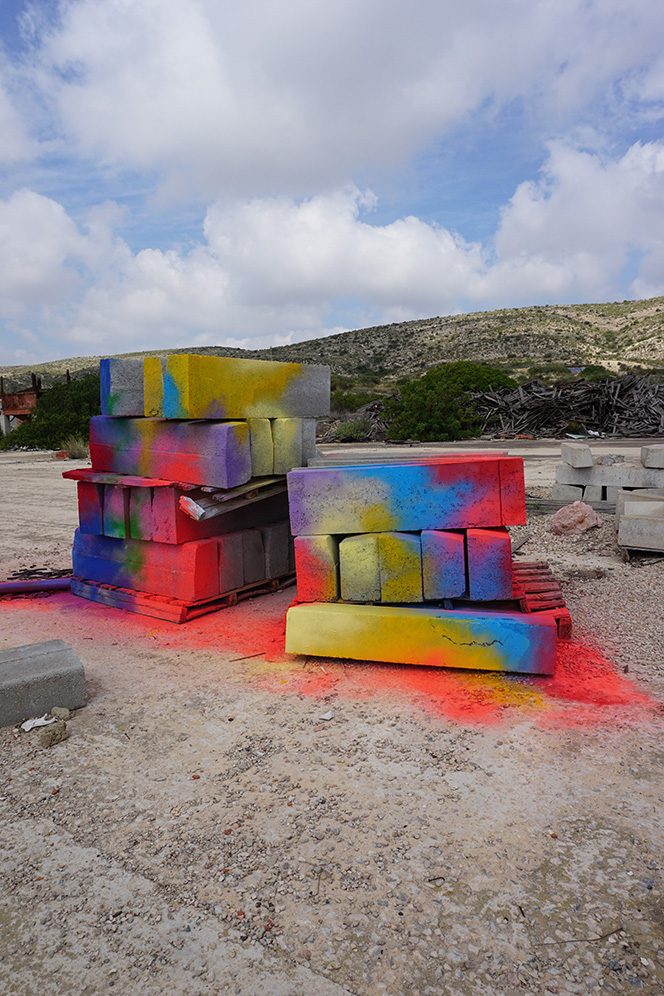
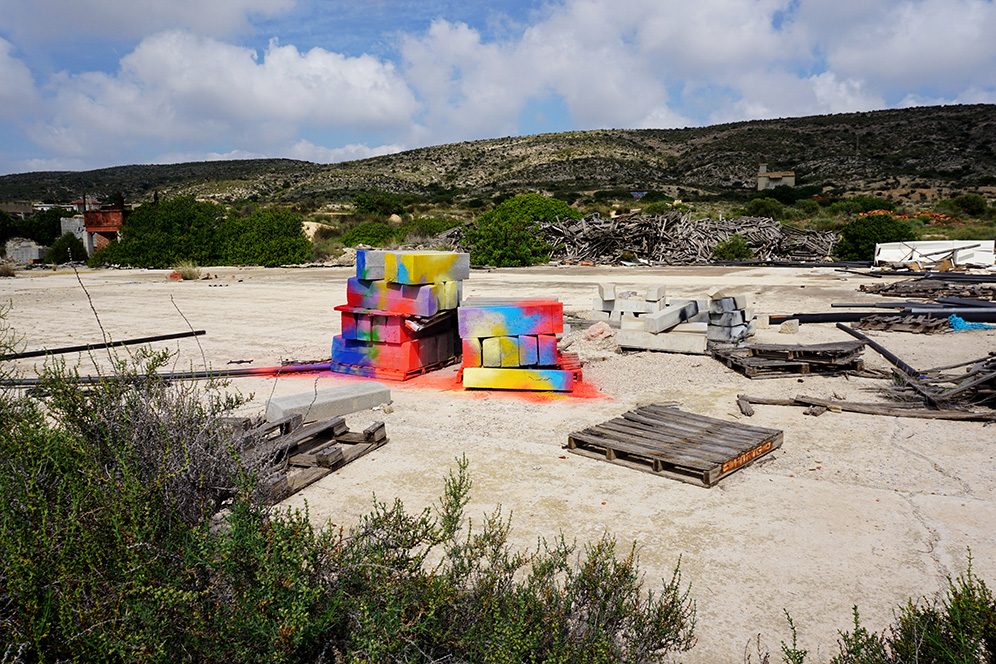
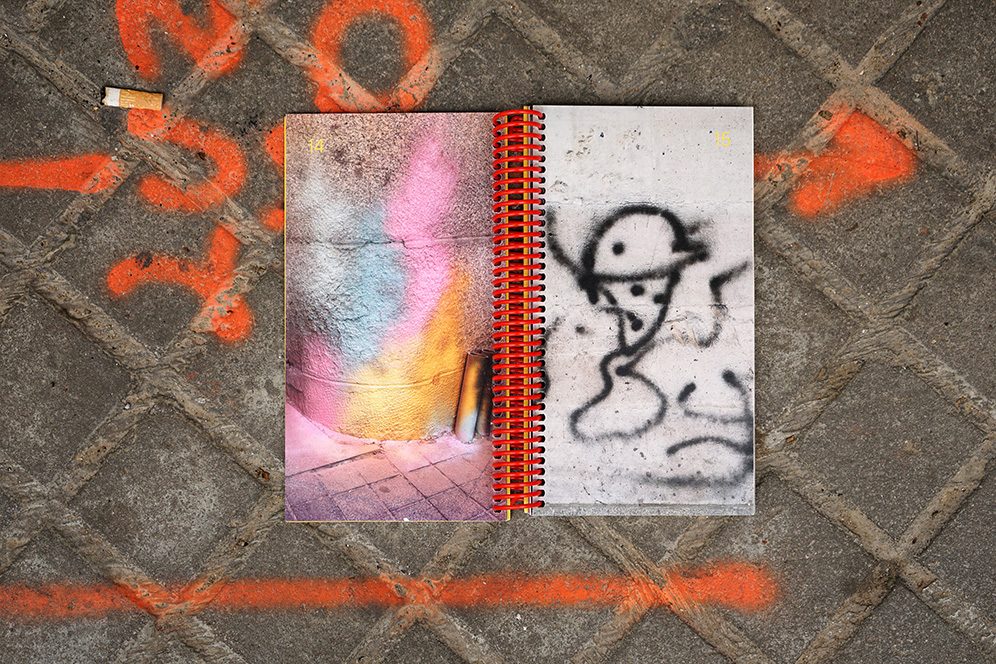
I began working on the “Piss series” a few years after arriving in Madrid. The lack of spaces in which to develop my outdoor practice and the visual clutter of a big city (Madrid city centre was plastered with graffiti in those years) prompted me to carry out small interventions and try to reclaim certain spaces. For me, these interventions served as a trail I left behind as I wandered through the city, much like a dog or a writer might. I was there.
I was interested in highlighting areas that, at first glance, might seem of little interest (corners of buildings, steps, the lower parts of traffic signs, ventilation grilles…). On the other hand, they also served as an abstraction of a conventional tag: I eliminated the form and used only colour. The choice of pastel shades was intended to create contrast; ‘bombing’ graffiti is an ‘aggressive’ practice, whereas eliminating the form and using soft colours makes it a ‘kinder’ practice, perhaps?
In a way, I’ve continued this series over the years, with works in monochrome, duotone or large-scale murals. Katharina’s work has been an inspiration, although when I began working on this series, I was largely unaware of the bulk of her body of work. I think I had Futura2000’s first abstract ‘whole car’ from the early 1980s more in mind than Katharina’s work.
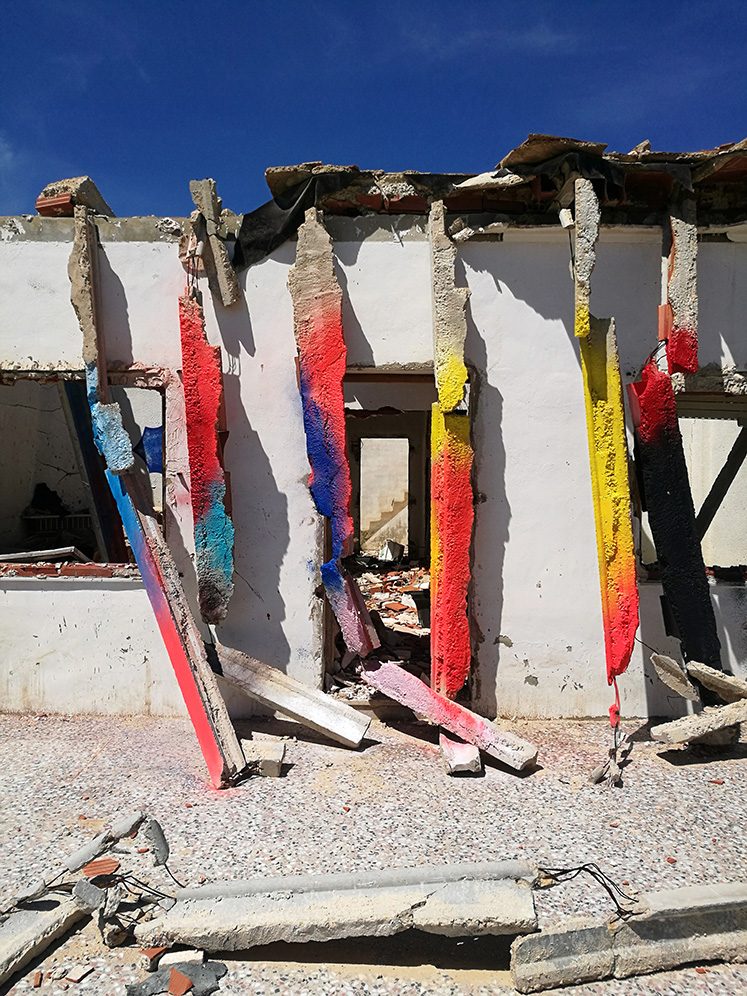
The ‘Soportes’ series is a continuation of this. For this series, I place greater emphasis on the space I’m working in, and it’s a considered action, not as spontaneous an act as the ‘piss series’ was. Some of the elements featured in the ‘Soportes’ series were later used as references in my studio work, specifically in the ‘Under Destruction’ series of paintings. The shapes of beams, pillars, ironwork from destroyed buildings and other elements typical of such spaces became part of my visual vocabulary. I was interested in what ‘supports’ the weight of the load in architecture; there is poetry in these forms.
In 2020, some of these interventions (the ‘Piss series’ and ‘Soportes’) were compiled in a self-published book called ‘No tengo perro’, which narrates a circular visual journey through an imaginary city. In 2023, I published a second part entitled ‘Antes era Campo’, in which this circular journey takes place beyond the city limits.
Another series from 2016-2018 is called Sismografia. Those works are only composed of irregular painted lines in lost places. Can you tell us your thoughts about this series?
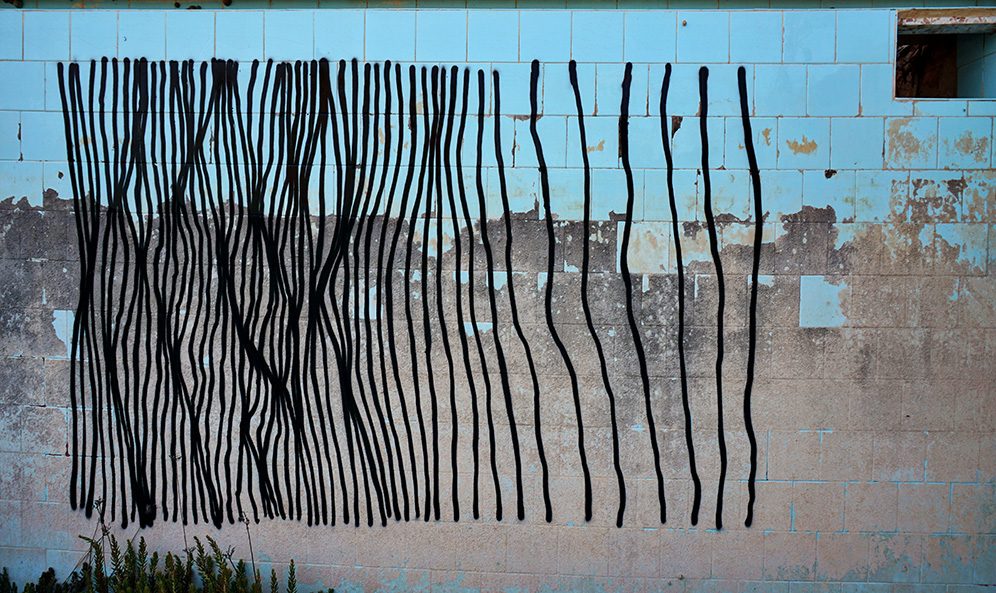
This is another line of research, based more on the idea of performance or the recording of an action than on visual artwork. These works were carried out continuously, without pause. I was interested in recording my state of mind within a specific space and time. Like a seismograph’s reading during an earthquake, my body measured my state of mind and the environment I found myself in; this reading was recorded on the wall.
The space where I carried out the intervention and the moment itself were fundamental to the result. I also produced many of these works in my studio, whilst travelling, on paper and canvas, with notes of the day, time, date and place.
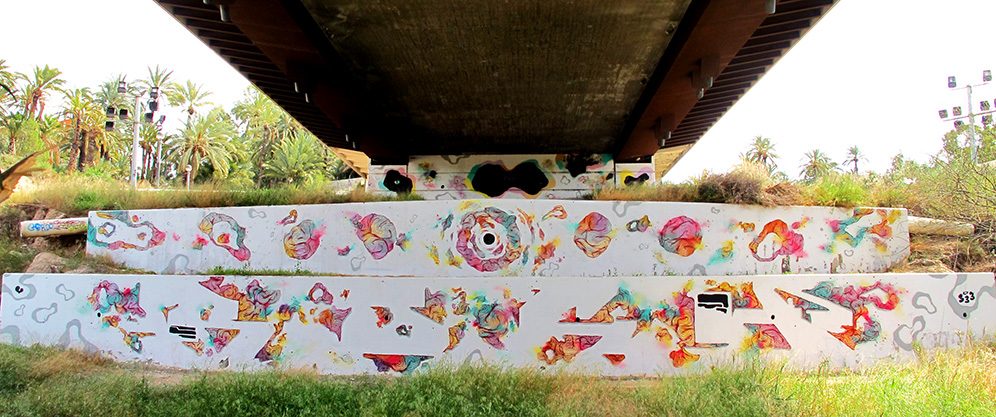
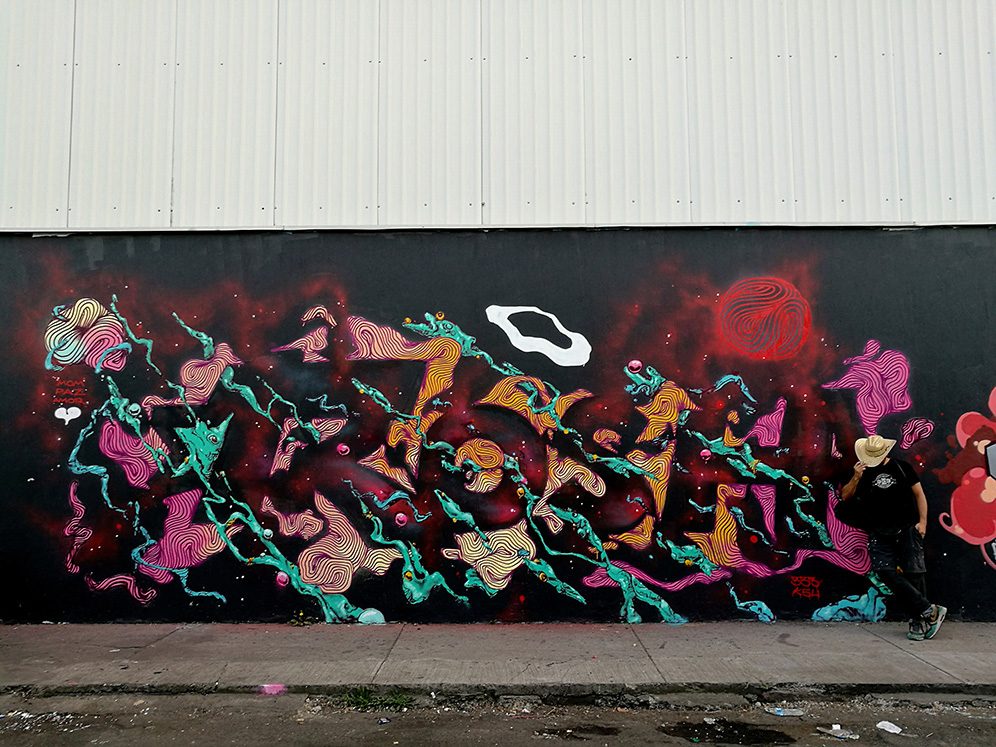
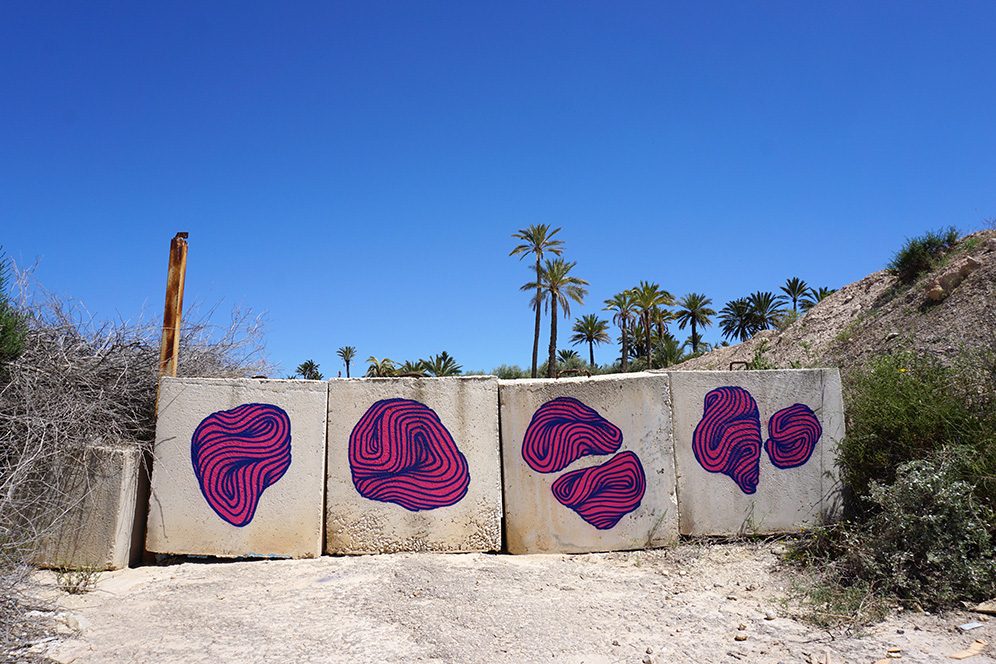
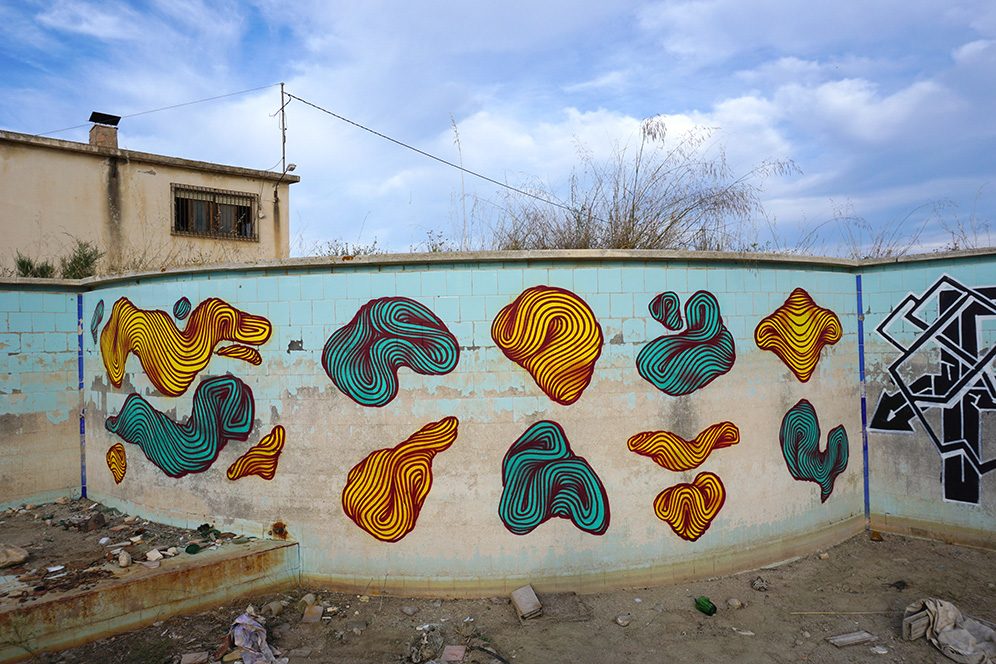
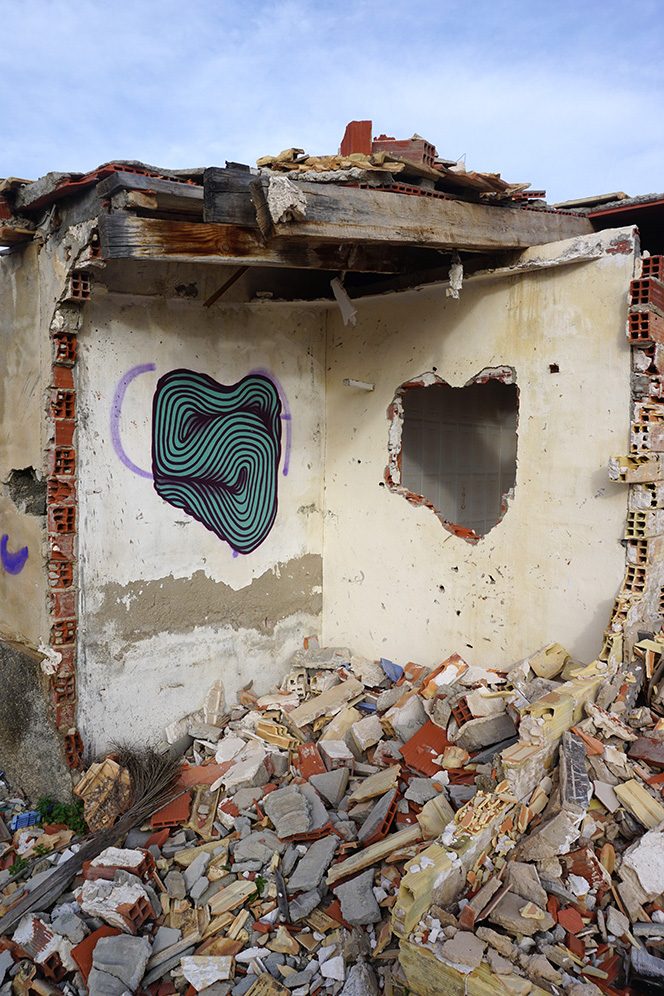
What about the works called Lost Shapes?
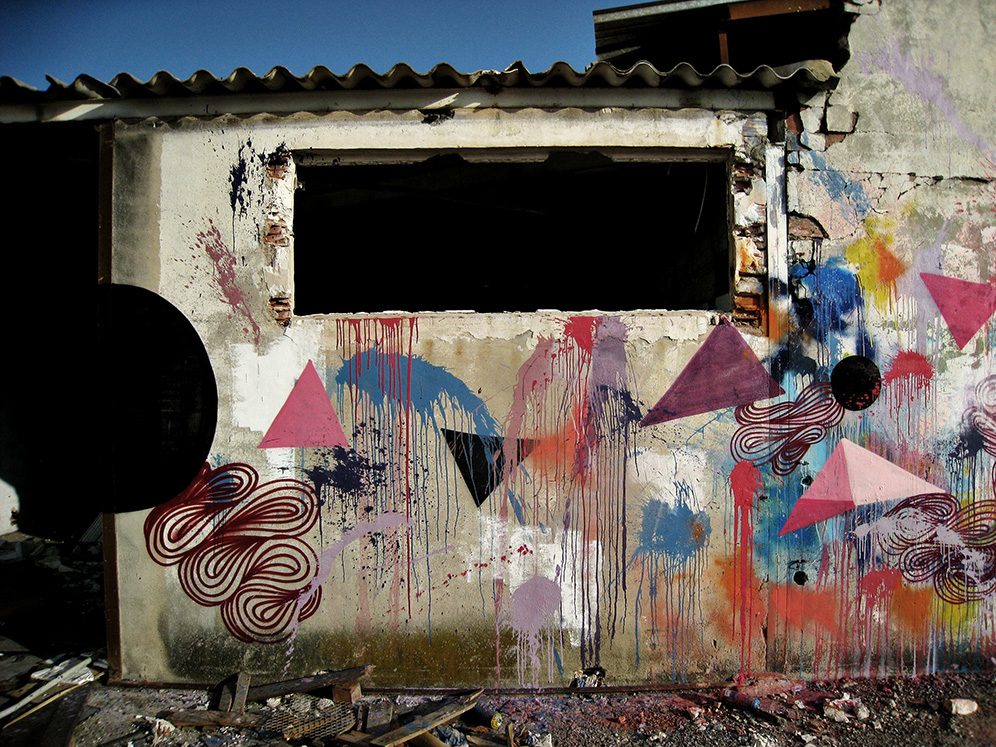
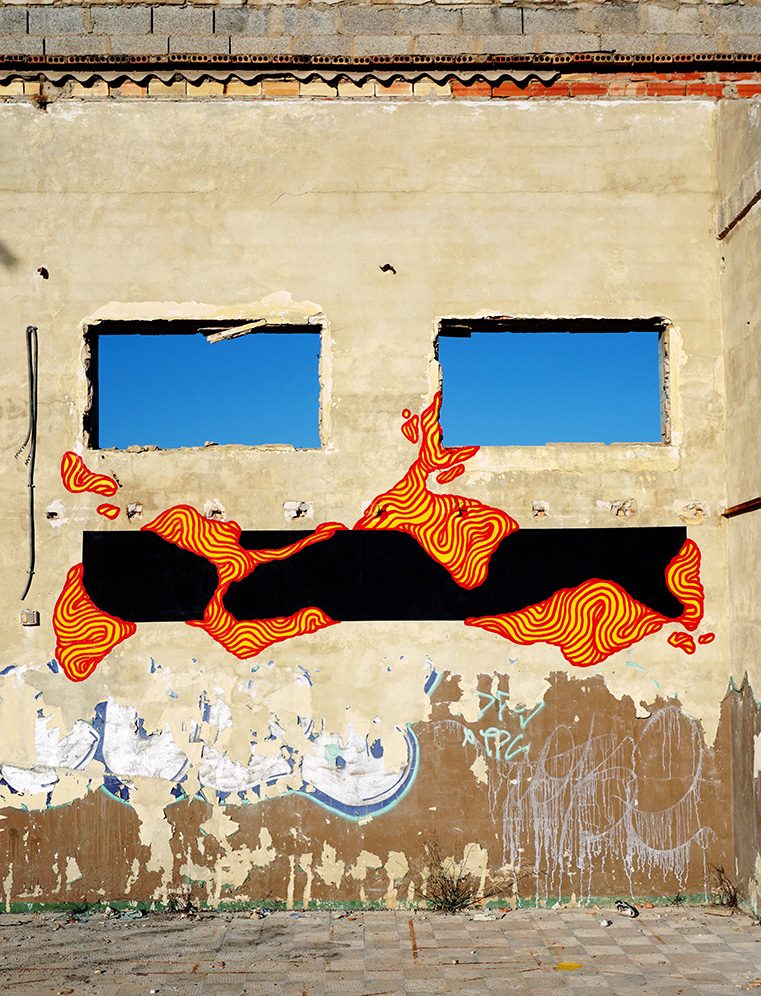
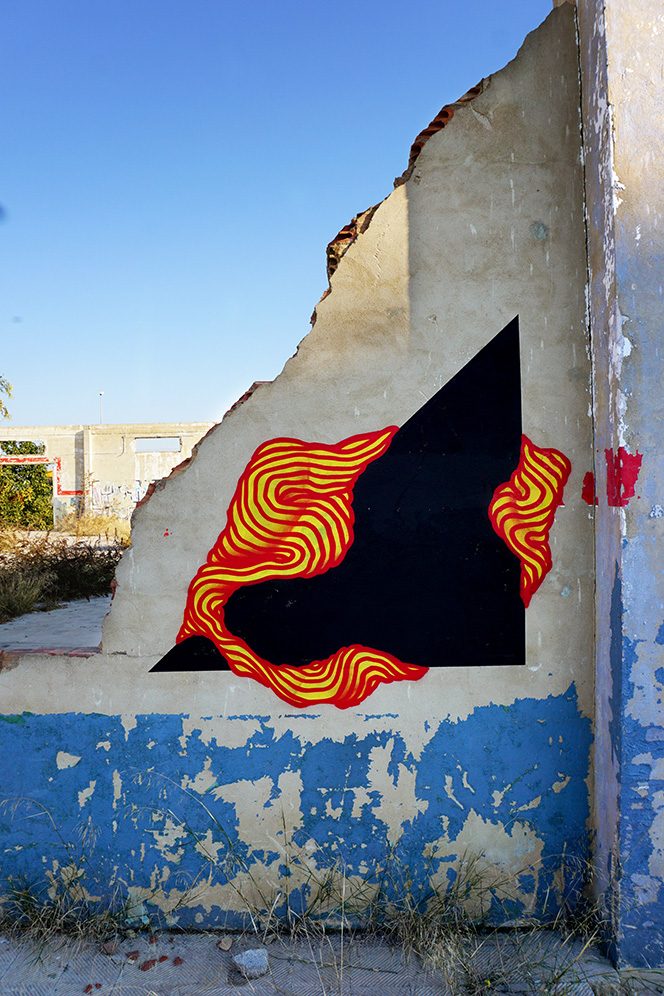
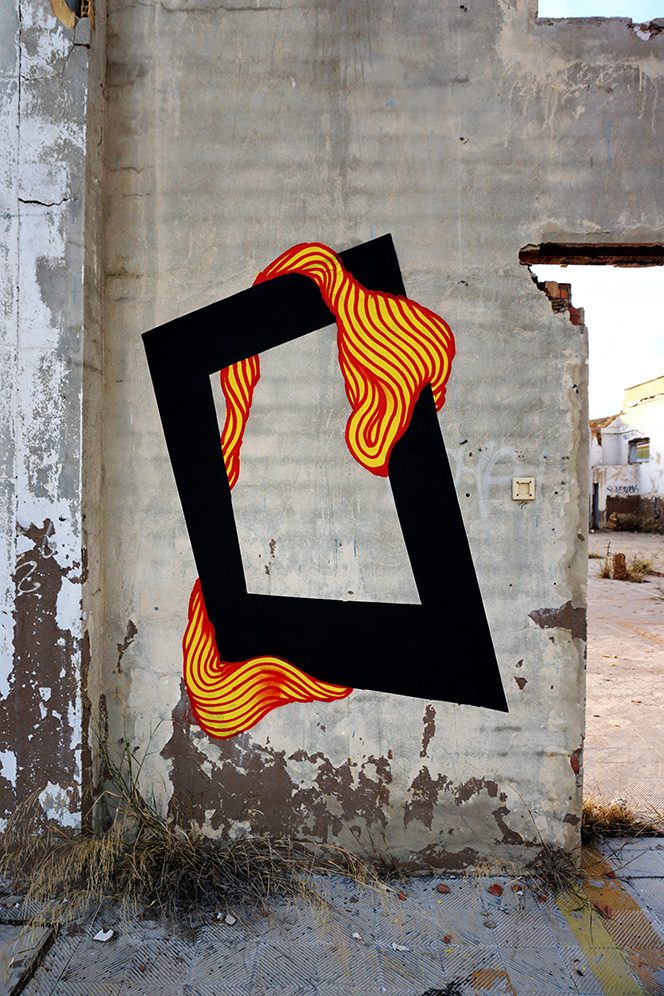
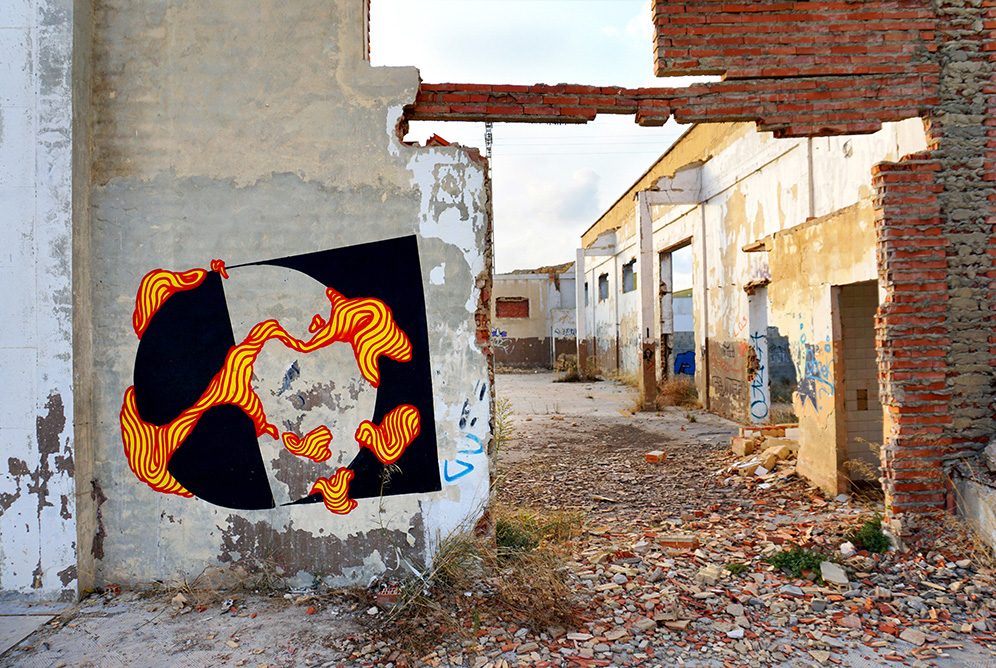
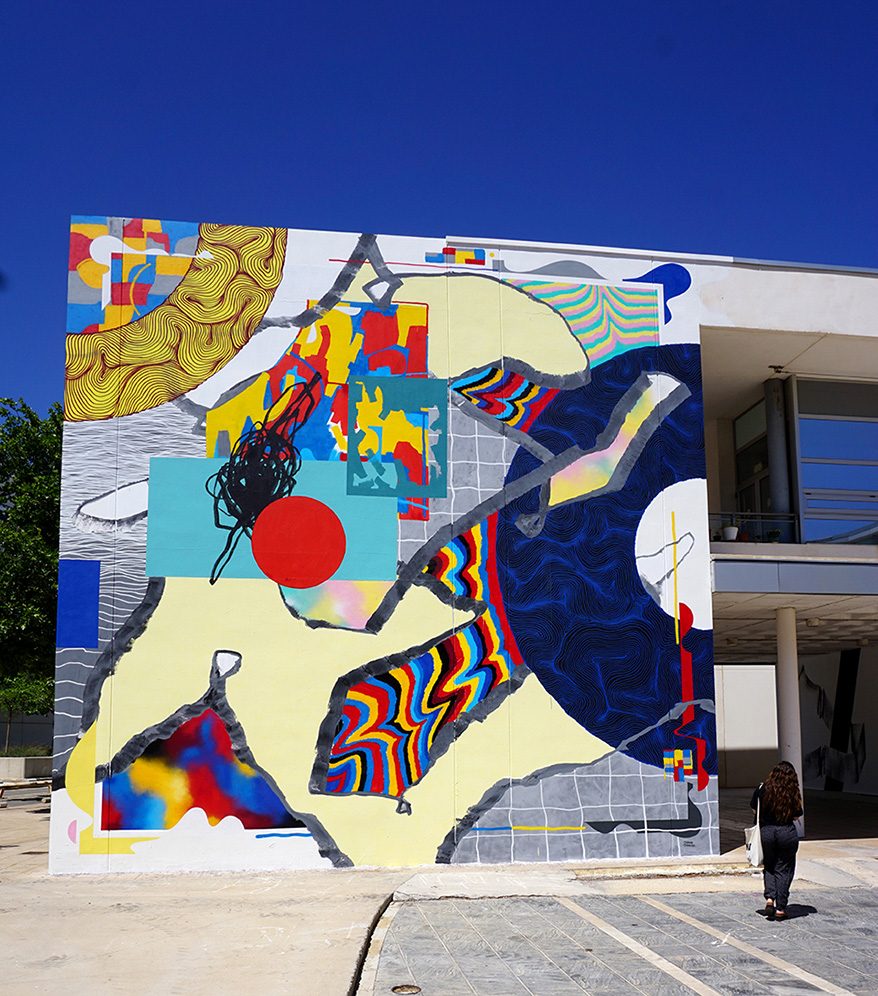
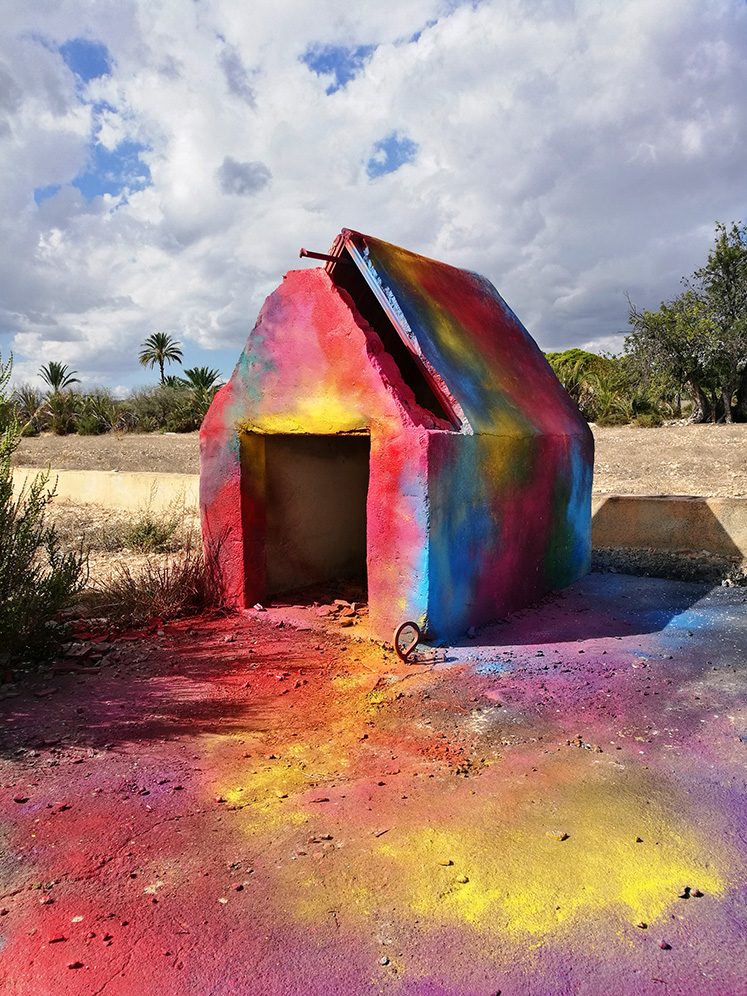
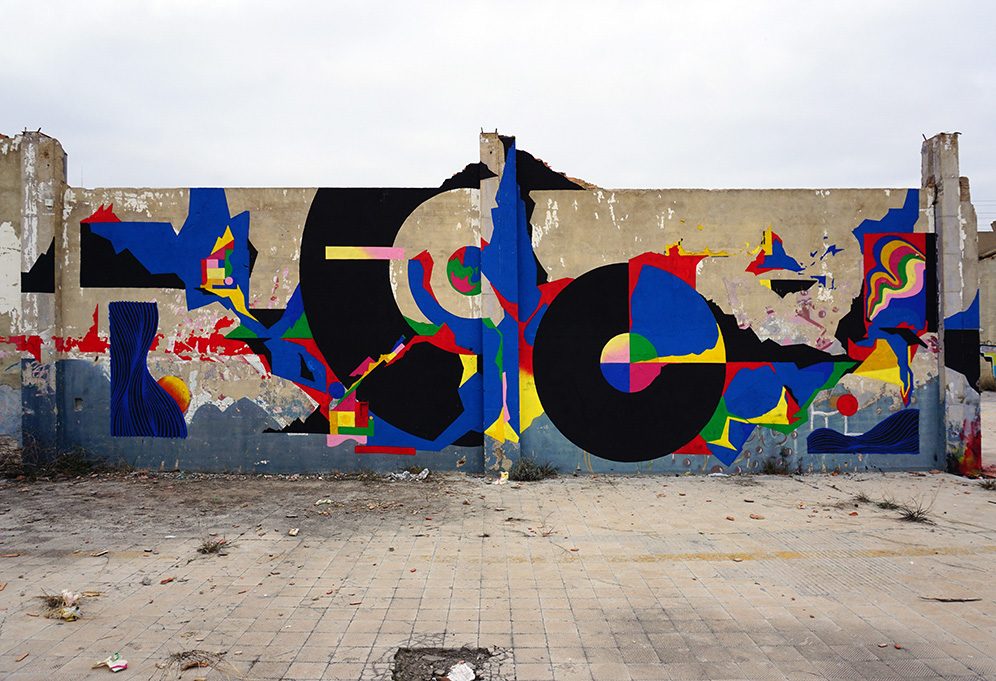
Abstract forms that are reinterpreted and engaged in a dialogue with a specific space. They invite reflection on that space. At times, I took as my reference the shadows that appeared at the moment of the intervention, complemented the ruined architecture, or created a ‘catalogue’ of organic forms. Some forms may be reminiscent of letters – ‘wild style’?
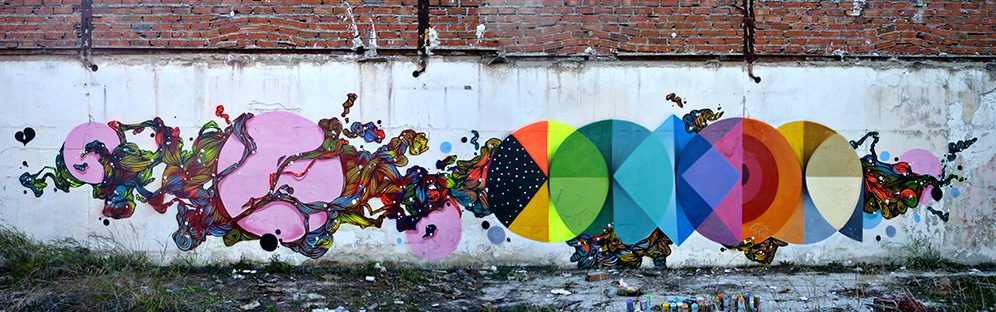
The ‘RAN (Rojo-Amarillo-Negro / Red-Yellow-Black)’ series was a continuation of this type of work. Using that colour palette, an organic form engaged with a geometric form in an abandoned location. Part of this series was compiled into a small fanzine in 2018.
From 2019 to 2024, I can observe a new experimental phase, where you try out different abstract visual languages, more graphic, more minimalistic. Was it a new phase of searching?
The search continues. I believe it is essential for an artist to keep exploring and not get stuck in a single style or discipline. It may be that more changes have been apparent during those years, and this is down to a variety of reasons. What I am certain of is that those changes are already brewing. One of the reasons why there may have been a more rapid evolution during those years was undoubtedly the 2020 pandemic, during which I spent most of my time confined to my studio in Madrid.
Another reason for this evolution is the artist residencies I undertook at the Montresso Foundation in Marrakesh in 2022, 2023 and 2024. These were several months during which I was able to focus solely on my work, free from the concerns of daily life, with resources and materials at my disposal. Some of the work produced during these residencies was on display in the exhibition ‘Sé de un Lugar’, held at the foundation itself in October 2024.
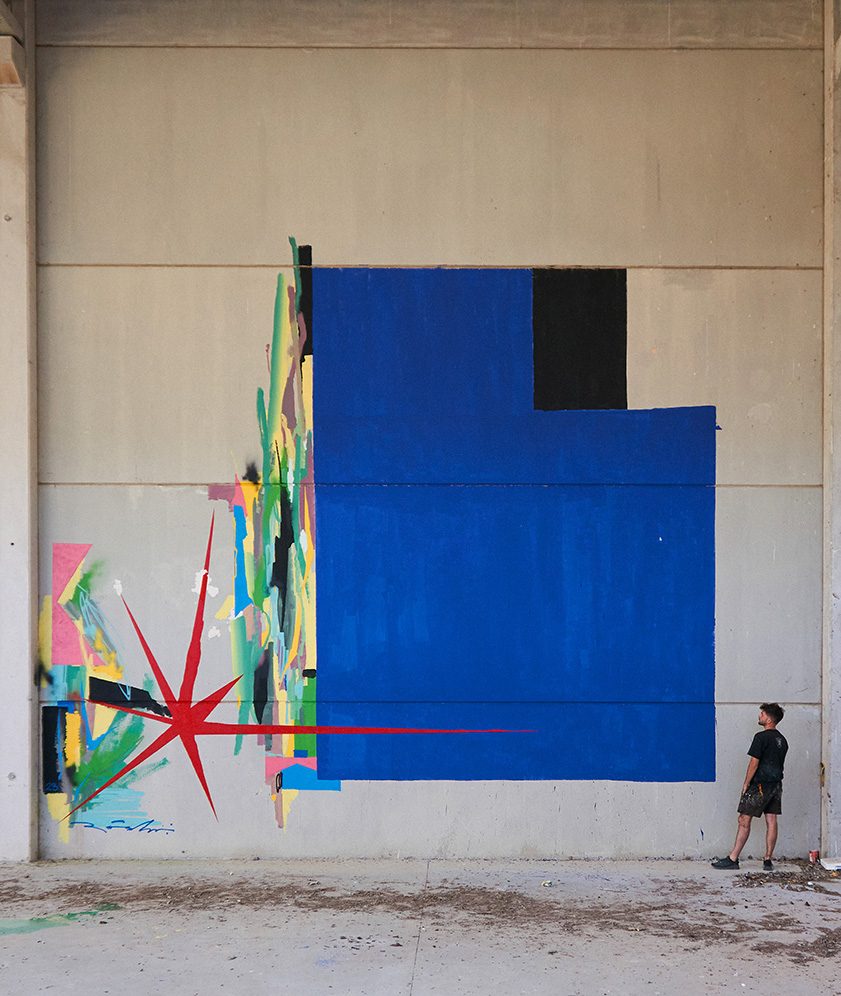
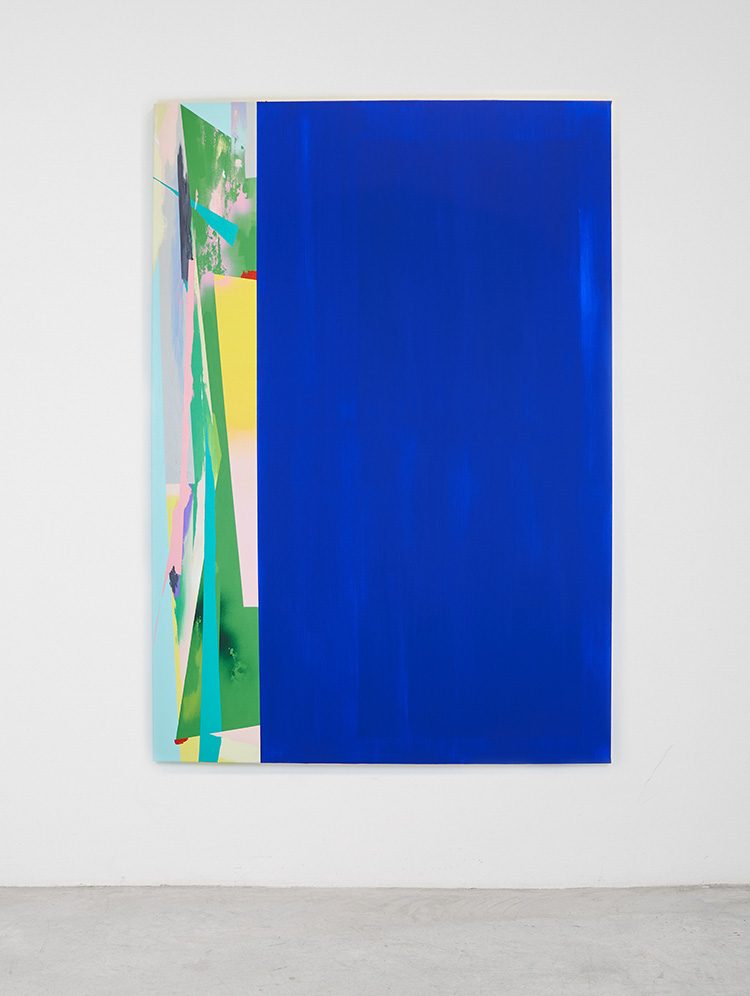
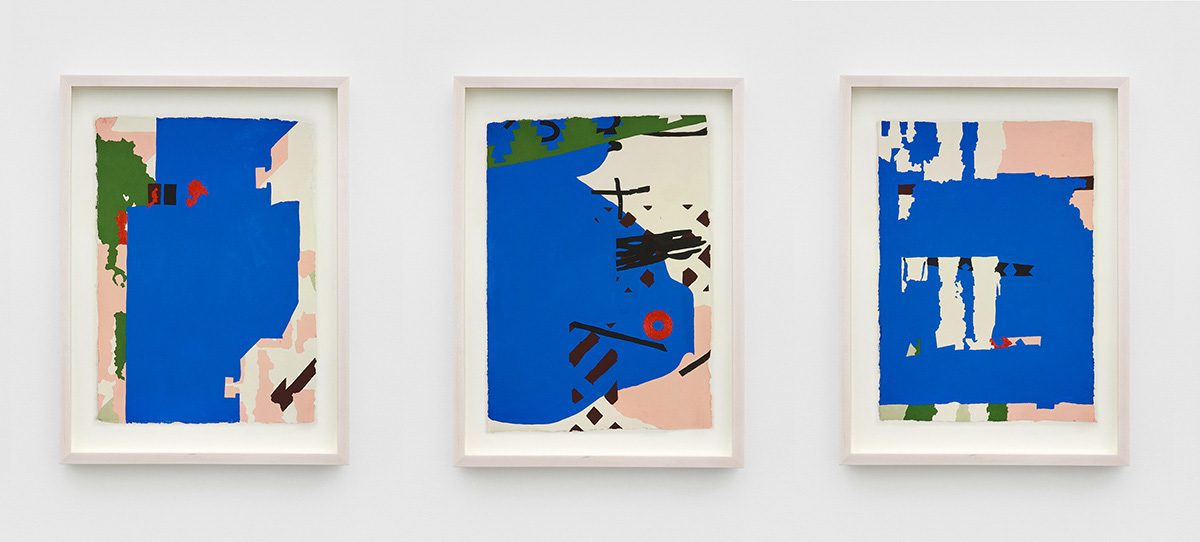
Since 2025, your abstract visual language is different, with compositions of bigger shapes and lines, playing with colours. You call those series Patrones de Fracturas. How did you end up with this different abstract style?
It’s no different for me; I see a progression in my work.
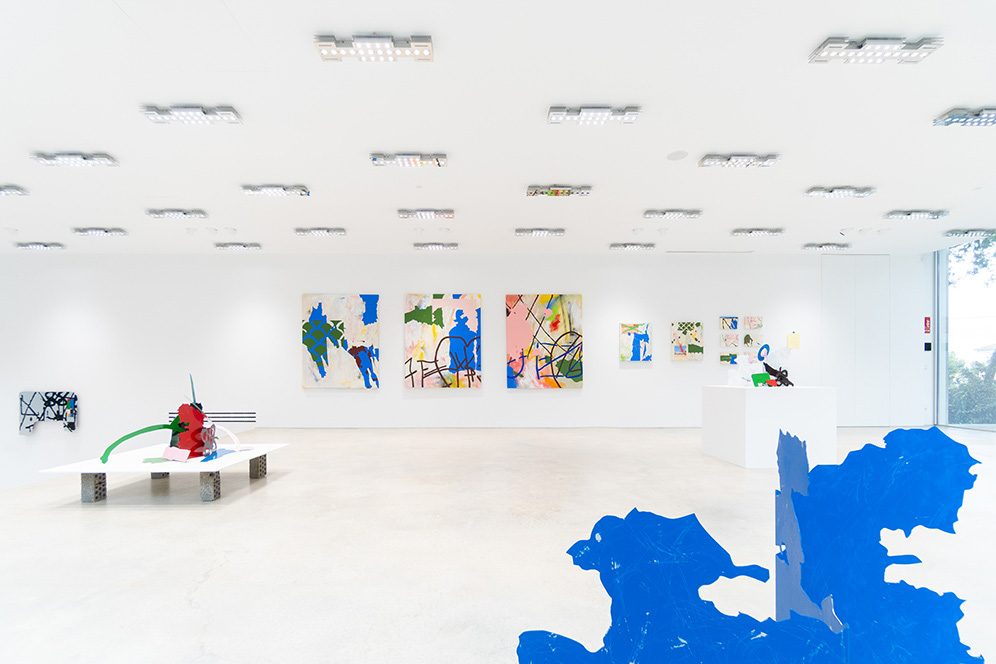
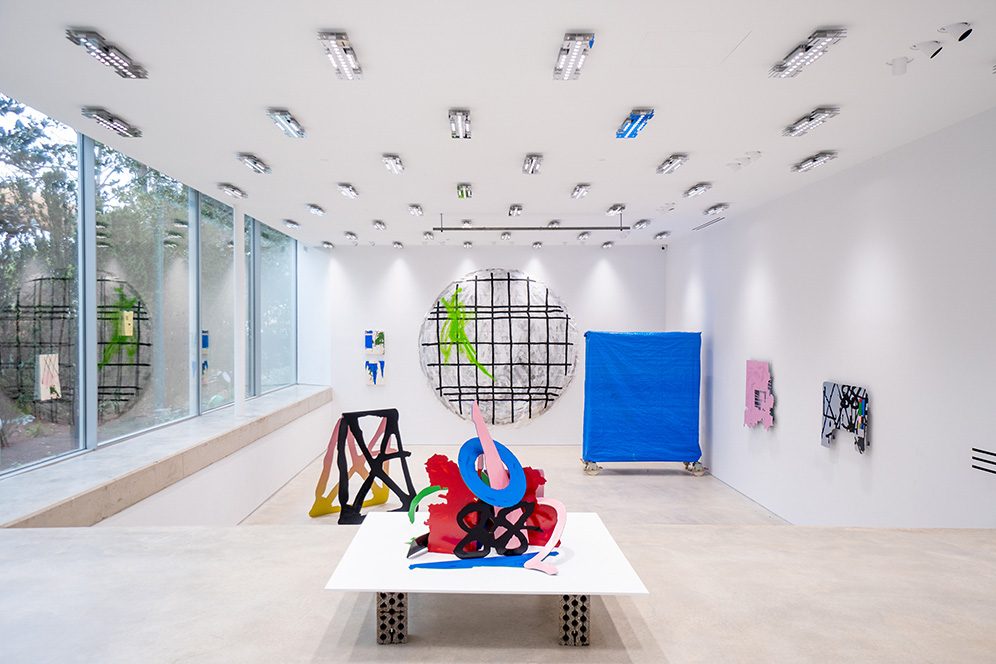
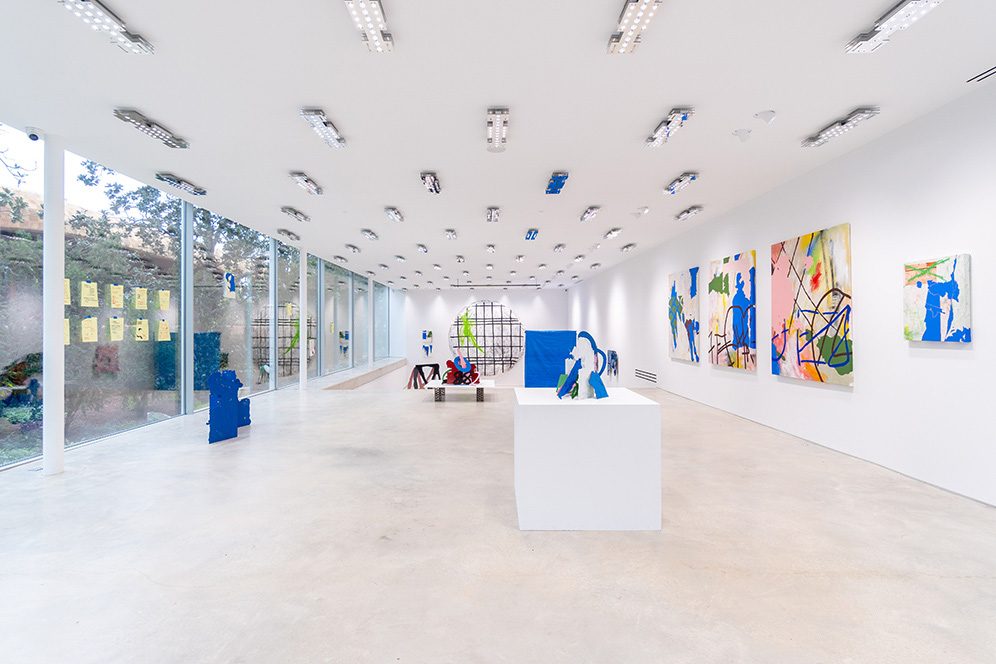
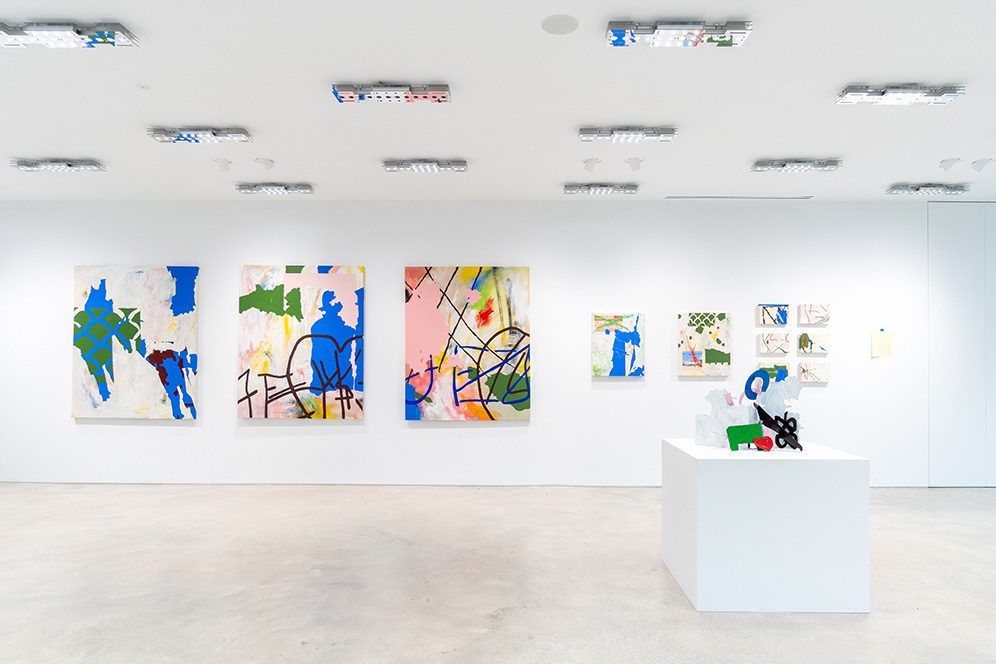
“Patrones de Fractura” is the title of the exhibition I held in November of that same year at Casa Axis, in Valencia. A selection of works created during a residency in February in Mallorca, along with some pieces produced during the rest of the year in my studio in Madrid, formed the body of work for this exhibition.
It is a continuation of the work I have been developing since my residencies in Marrakesh. Drawing inspiration from public space, undertaking random walks ad translating all that information into painting. This kind of working process opens up a fairly broad range of topics for me to explore.
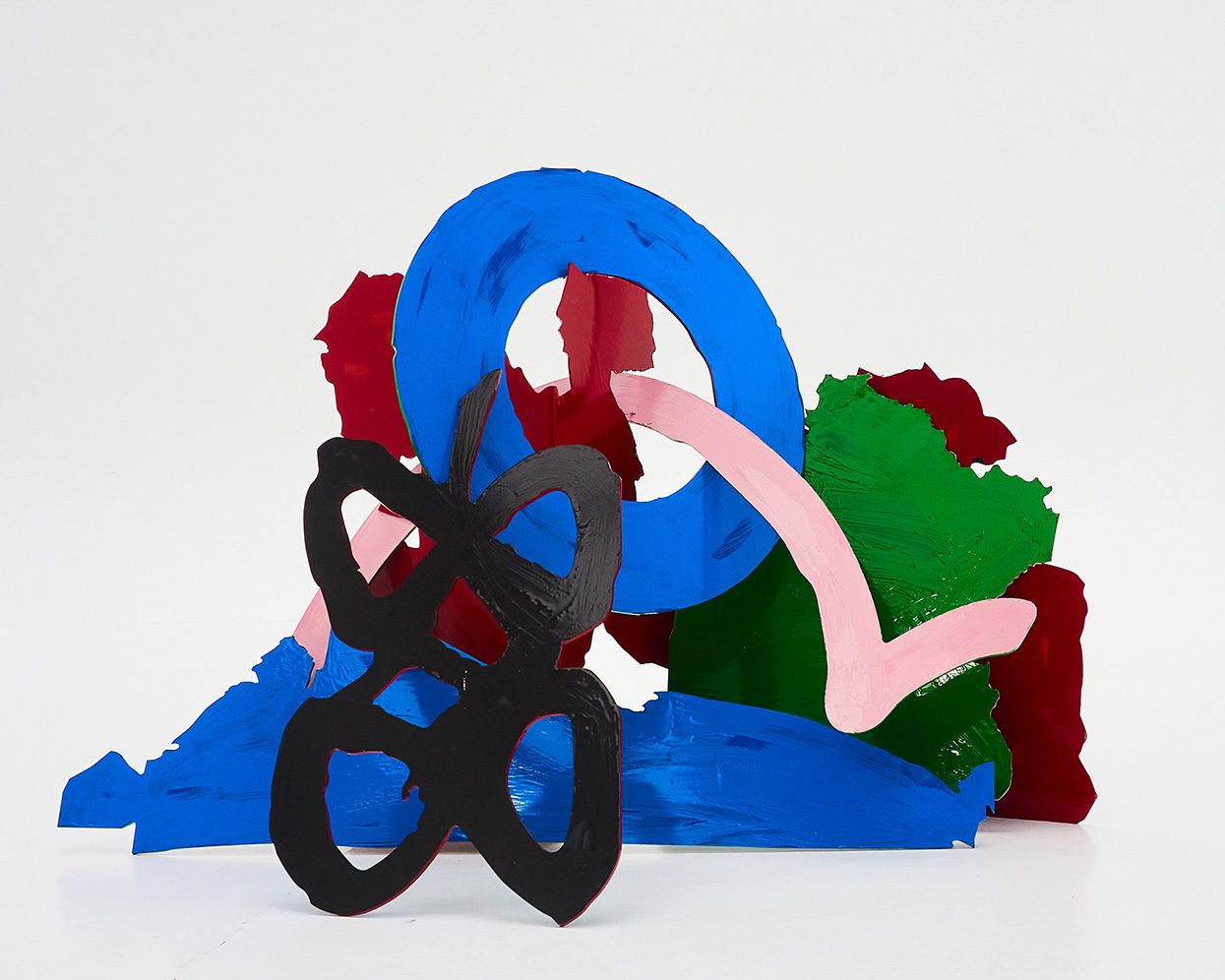
For this exhibition, I also created sculptures, in which I translated elements from my paintings into a physical form.
The idea behind this exhibition was to link the fractures or scars of public space with personal ones. I view the city, or public space, as a living entity of which we are all a part.
It was a very important exhibition for me; thank you to Felipe Pantone for opening the doors of his home to me.
Are you still calling your outdoor works „pieces“?
In a way, yes – it’s a legacy of graffiti art, isn’t it?
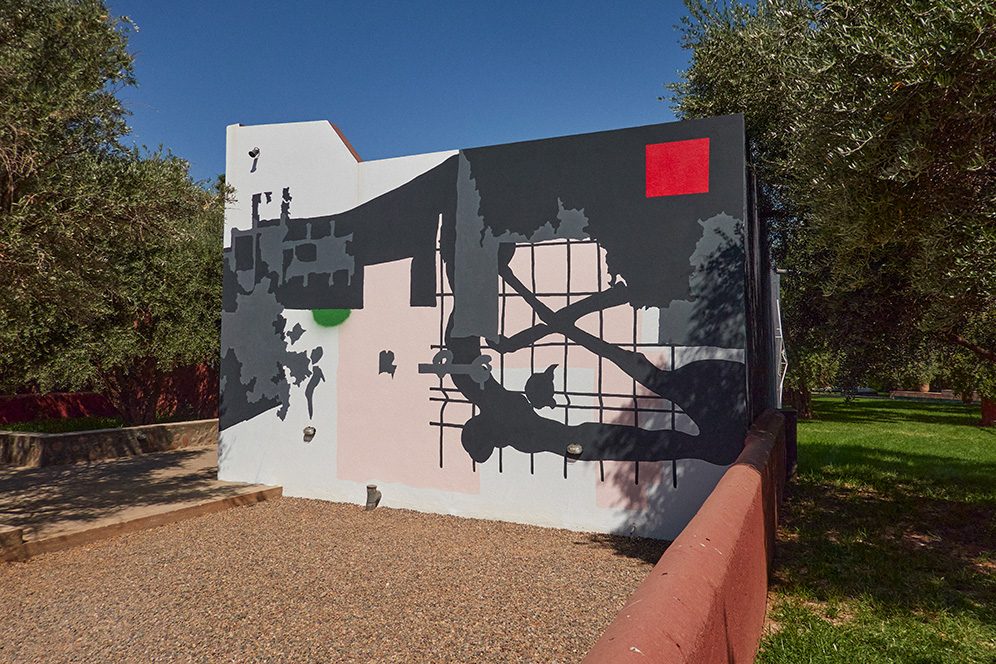
How will you describe your current style with your own words?
I don’t think it’s my place to describe my work or my style in words; the work speaks for itself.
I can talk about what motivates me when I’m working, the impulses I feel. But to describe my current style… I don’t think that would be right.
What do you like in abstraction?
It may be a language that is more open to interpretation, allowing for a more personal reading by the viewer, and a broader way of describing the indescribable.
What kind of places/walls do you prefer for your wall paintings/interventions (old ones or modern ones)?
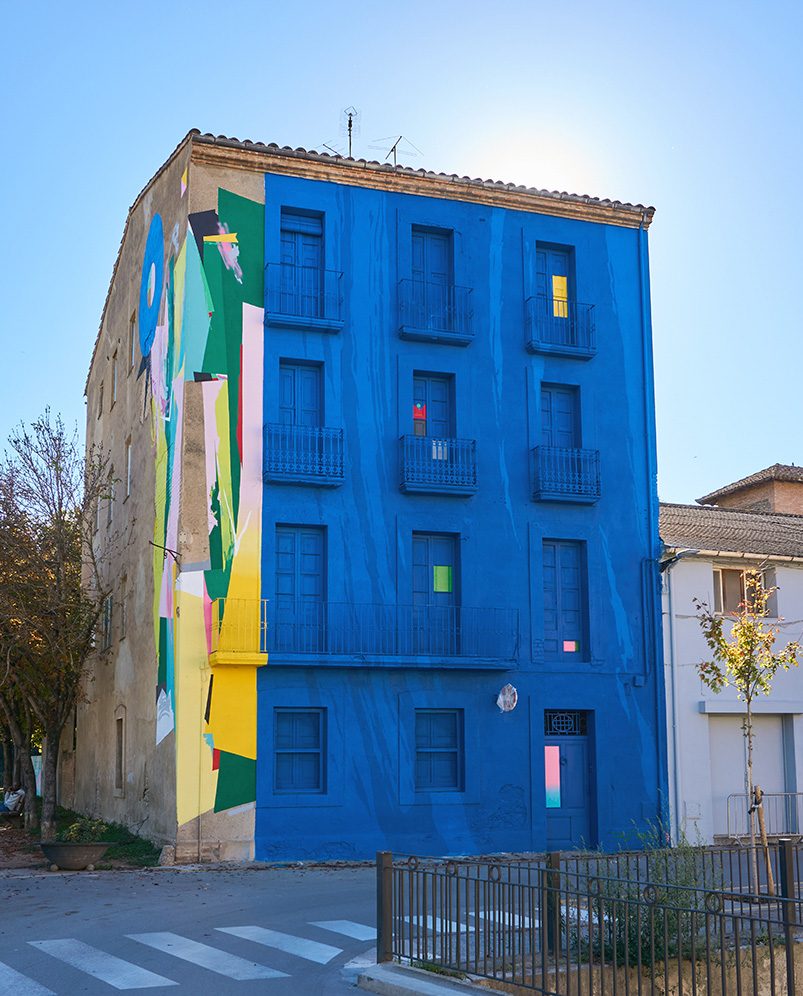
I prefer there to be a sense of history in the space, to have some architectural reference. When working in public spaces, the location accounts for 60 per cent of the artwork.
How do you discover your spots?
It’s a secret :)! It’s also something I’ve picked up from graffiti – you keep your eyes peeled and are always scanning everything around you.
With which technique did you paint in the beginning, and what are you using on walls nowadays?
In the early days of graffiti, I was already combining acrylic paint with spray paint. It’s a good combination for outdoor use and works out cheaper. In recent years, for abstract murals, I’ve hardly used any spray paint at all; I do practically all the work with brushes and rollers.
Did you develop any special tool or technique?
In 2020, I devised a computer programme for generating random compositions – long before the advent of general AI; it has nothing to do with that. I input a series of elements or shapes that I have created into the programme, set some parameters, and the programme generates random, unique and unrepeatable compositions.
It’s a very basic programme, but I find it extremely helpful when planning my works. It’s like a dice with multiple, unique faces. I still use it today, both for studio work and for outdoor pieces.
What are the steps for your painting process on walls and how long does it take?
Choosing the space is the first step; from there, I decide on the colour palette. I then plan the work, either using a detailed sketch or based on notes in my sketchbooks. Depending on the size, this can take a few hours or a full day.
For large-scale murals, it takes several days, though usually no more than four.
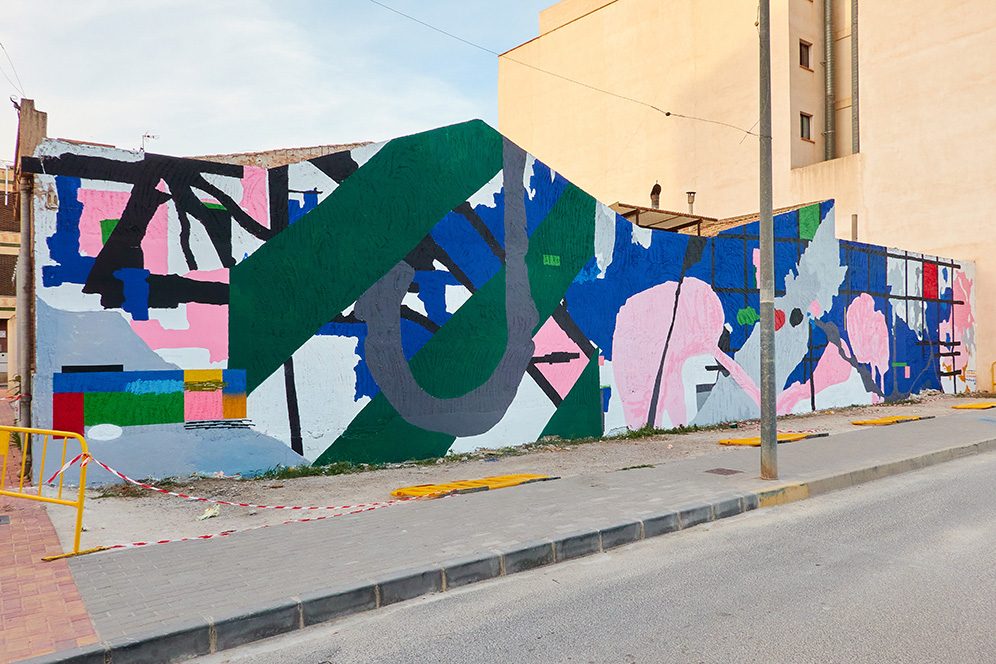
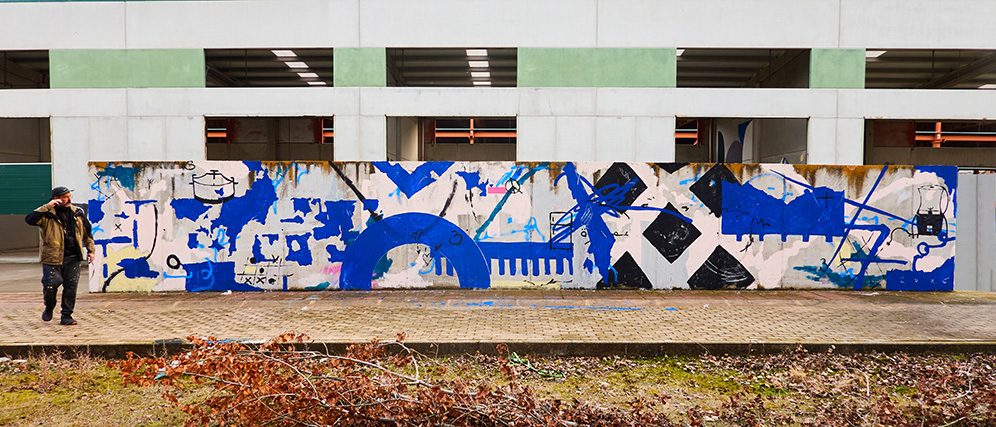
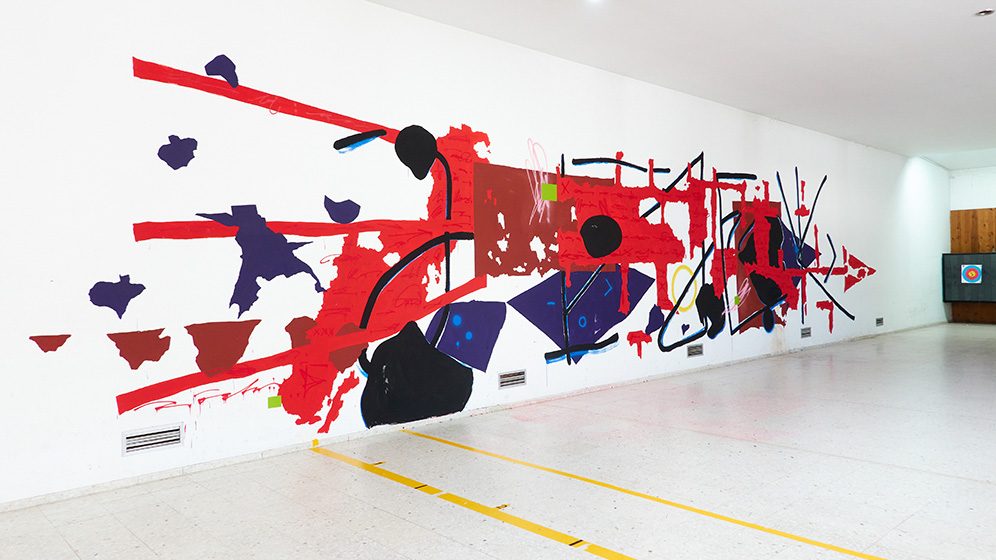
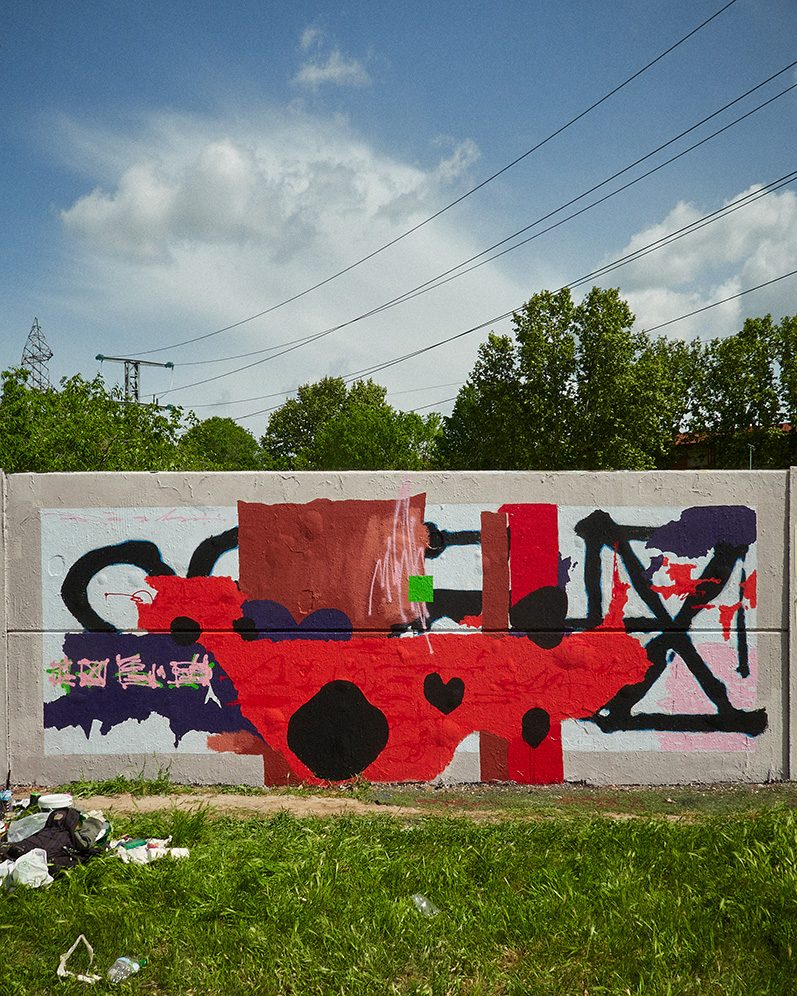
Apparently you are defining a certain format on the wall before you start right?
Yes, I define at least the main shapes – the ones that carry the most weight in the composition. I build on that from there.
Are you doing any sketches before?
For the past few years, I have incorporated this into my working method for most of my projects. I plan ahead by making a sketch – this could be a drawing or a digital sketch.
How important is sketching for your work in fact?
It has become quite a significant part of the process, and it’s something I enjoy. I like planning the work; that way, I spend more time developing the idea. Going to the location with a plan in place and a clearer idea of what I want to do improves the results.
Freestyle seem to play a role in your work, right?
I have worked in a free-style for many years, using only a few notes or ideas as a reference. But even when working from a defined preliminary sketch, there is always an element of improvisation. Particularly in the final stages, once the bulk of the work has been established, I allow myself some time for reflection during which I can add or remove elements from the piece.
How do you work to find new forms/shapes and textures?
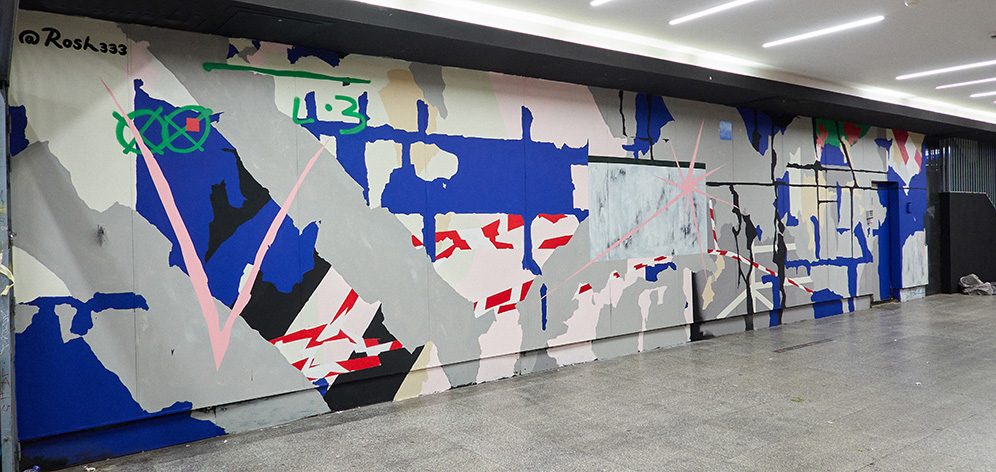
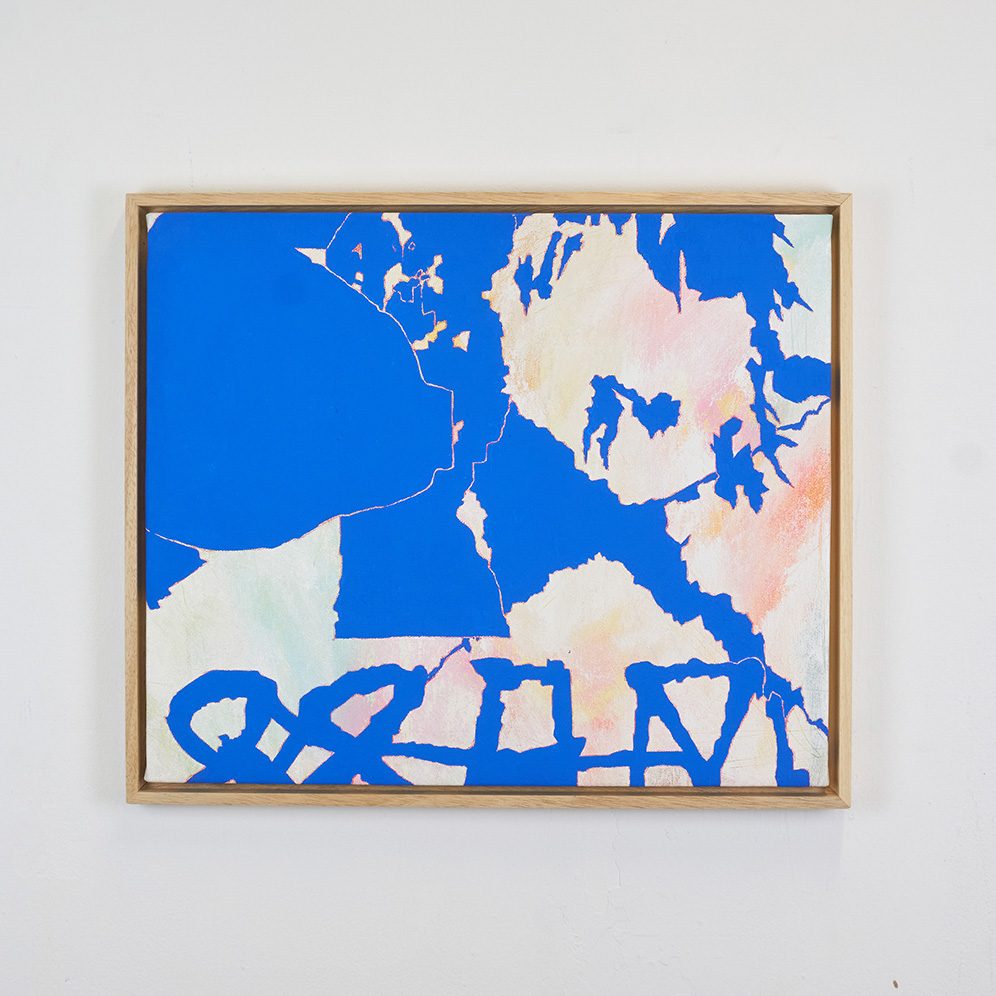
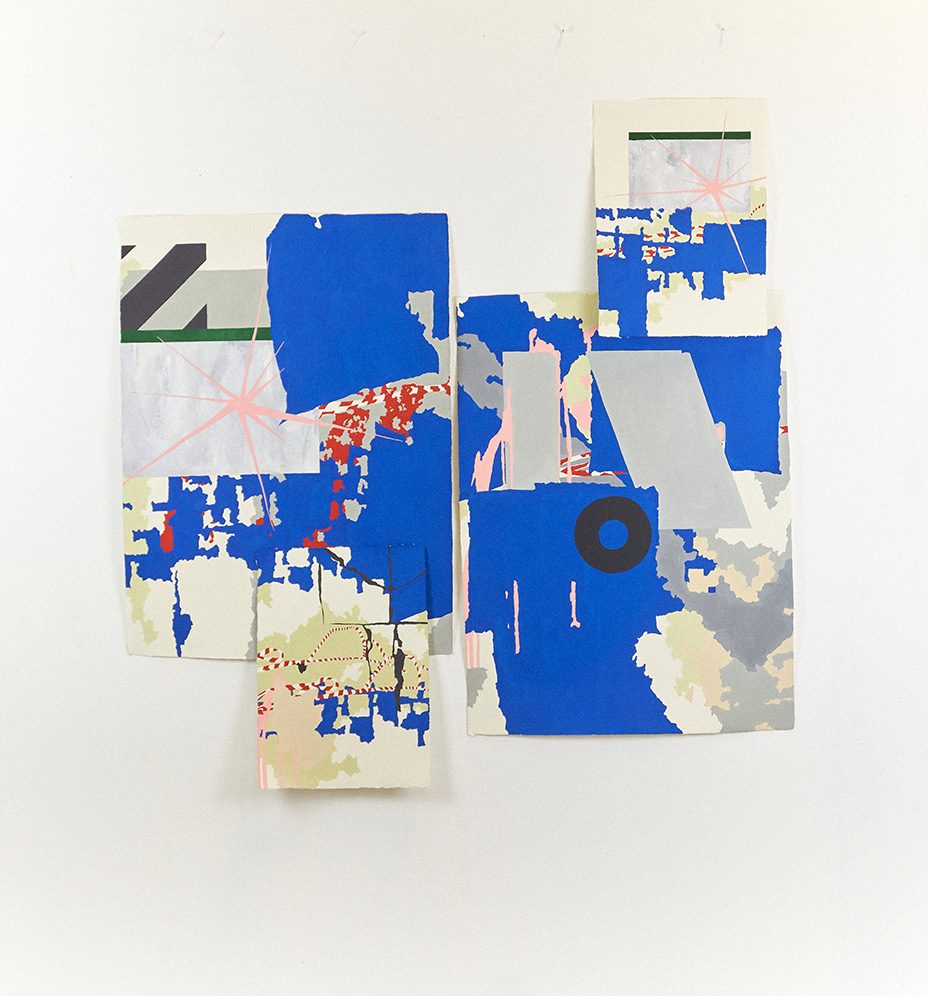
For the past few years, I have been drawing direct inspiration from public spaces. I take photographs and distil the parts of these images that interest me, incorporating them into my artistic vocabulary. I am interested in certain types of marks on the ground or walls – flaking paint, imperfections, random graffiti, crossings-out or smudges, specific architectural features of each place, and so on. I find these kinds of references interesting both formally and for their emotional and conceptual significance. They can be interpreted in many different ways.
Concerning your choice of colours, how important are colours for you?
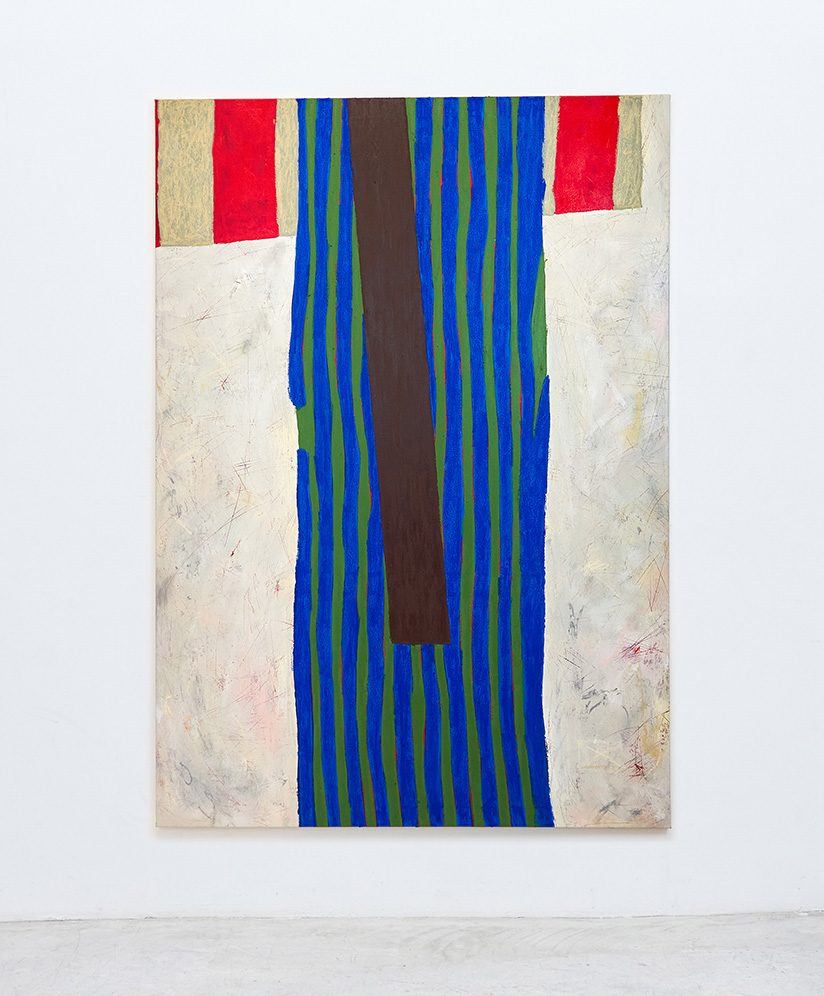
I consider myself first and foremost a painter – a contemporary painter. The use of colour is one of my main tools. I don’t work with colour in the same way as in the 16th century, but it is a fundamental part of my work.
I work with a specific palette that varies over time or depends on the series I’m currently working on.
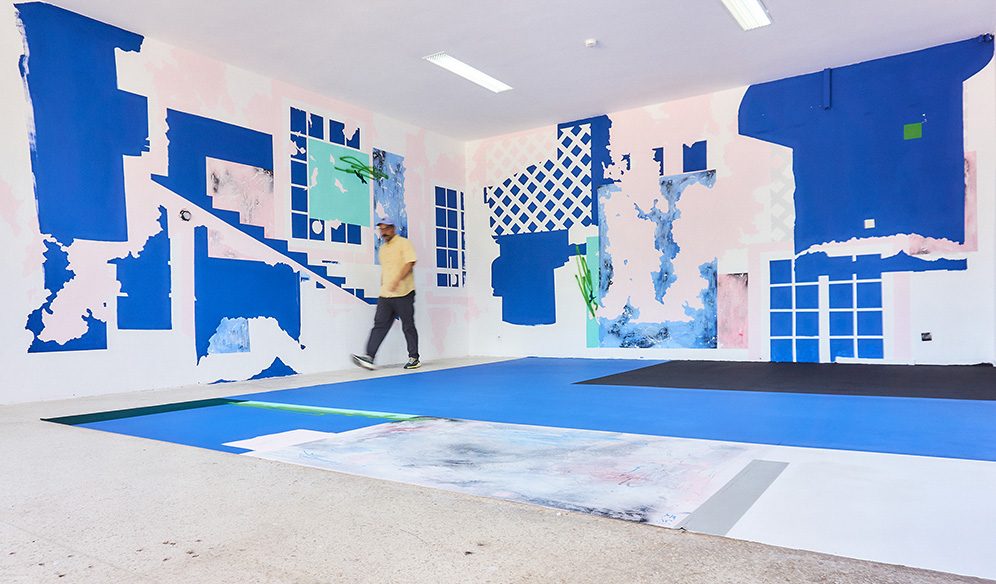
I like to work within certain constraints when it comes to colour, creating a set of rules. It’s a way of focusing and not losing my way, always depending on the space or whatever it is I’m trying to convey.
How do you define your colour palette before painting a wall?
It depends mainly on the space – the area, the elements that might come into play, and the colours in the surroundings. It also depends on the type of artwork I want to create.
You are also painting on canvas and creating different studio works. Which different techniques do you use in the studio?
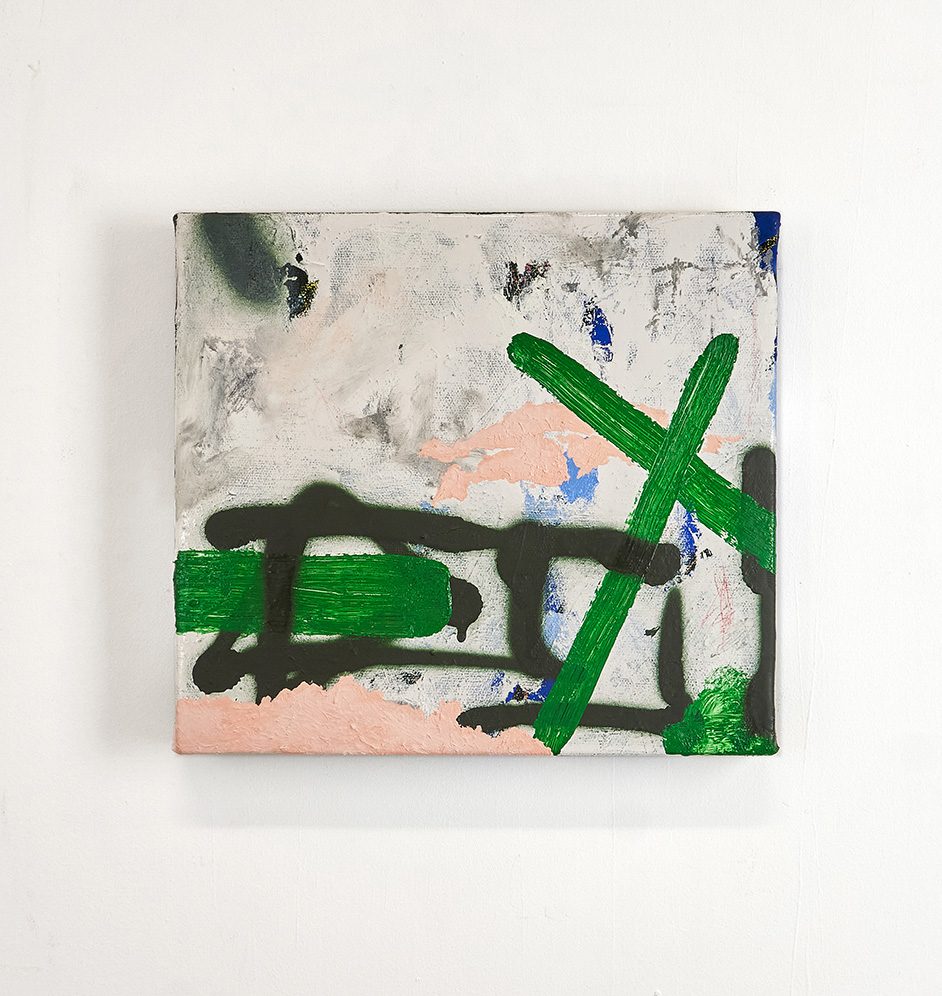
I have been painting with acrylics for a long time, and for the past three years or so I have incorporated oil paint and enamels into my studio work. I use these materials mainly on canvases. On paper, I still use mostly acrylics or vinyl paint.
For my sculptures, I cut aluminium.
In your abstract canvas, it seems textures from the street and spray paint play an important role, right? Are those sources of inspiration?
Practically all the elements and forms that appear in my works, whether directly or indirectly, are references to the street. These kinds of textures are important elements. Public space forms part of my work on both a referential and a conceptual level, and my studio work feeds back into my outdoor work, and vice versa. The landscape in which I live influences me on every level.
Since when do you sculptural work, and can you describe the process?
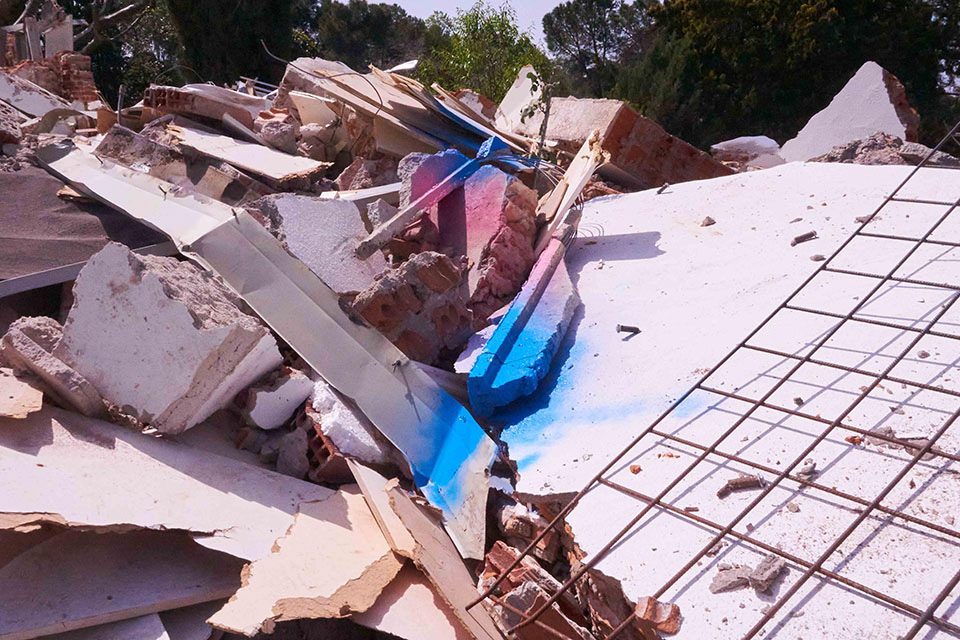
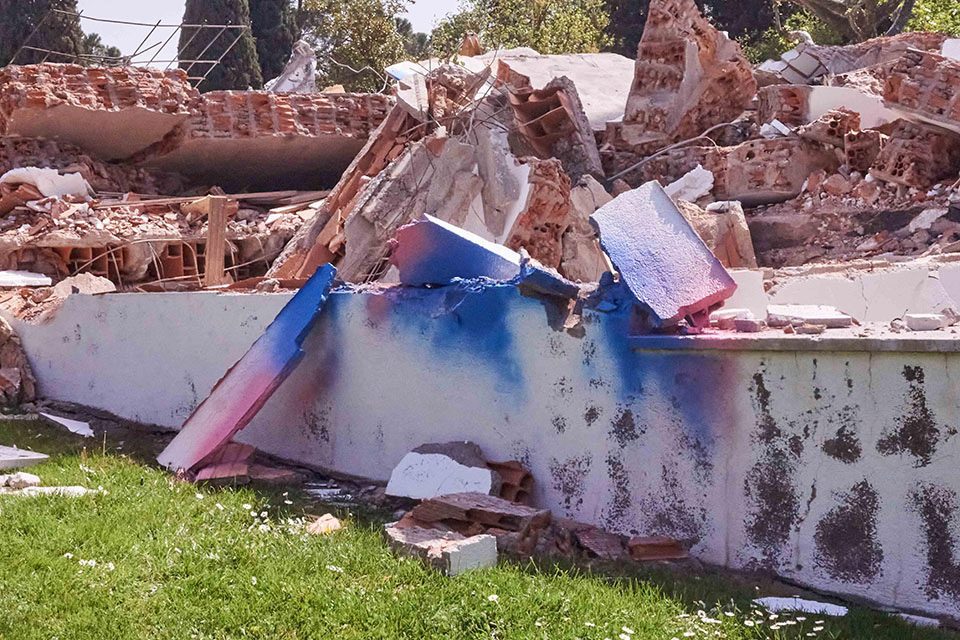
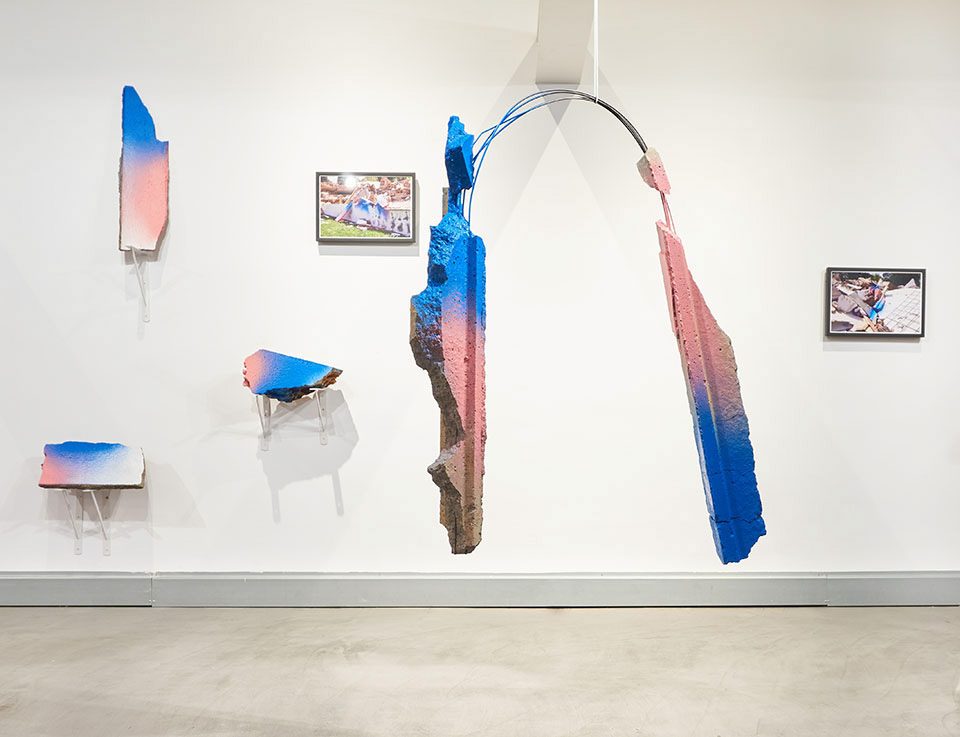
For an exhibition in Madrid in 2022, I installed a series of works in the gallery that were not sculptures in the conventional sense, but which functioned on a sculptural level. They were forms that had been sculpted by the random movement of an excavator’s bucket during the demolition of a house. I titled this series of pieces ‘Extraction’; this was the text that accompanied the works in the form of a report:
‘On 27 and 29 April 2022, I witnessed the demolition of a house at Avenida Campo No. 14, in Pozuelo de Alarcón, Madrid.
Whilst the excavators were at work, I documented the demolition process on video. After filming, I searched the site, identifying surfaces on which to intervene.
I then applied blue, red and pink paint to various concrete beams—parts of the house’s main structure—and to fragments that had broken away from the main façade. I documented the surroundings where the pieces were located through photography and video.
I subsequently selected the pieces to take back to my studio. I cleaned, retouched and varnished each of the pieces for subsequent cataloguing as part of the ‘Extracción’ project.“
The work of the artist Gordon Matta-Clark has been a major influence on this series.
The next time I worked with sculptures was in my latest exhibition, “Patrones de Fractura”. I’d had this series of works in mind for some time, and they took shape in this exhibition. They are sculptures in the sense that they are nothing other than objects related to space.
I took some of the shapes that feature in my paintings and translated them into objects, from the two-dimensional to the physical. First, I made various paper models, which I cut out by hand. Once I had selected the final ones, these shapes were cut out of aluminium and hand-painted with gloss enamel. Some of these works are folded to ensure they are stable; they hint at an interior but do not fully enclose it; they occupy a place in space but do not limit it; in a way, they also delineate the void of space.
There were two works, ‘Ventana’ and ‘Vértebra’, which function as wall sculptures, or three-dimensional paintings. A major source of inspiration for this series of works is the sculptural work of Pablo Palazuelo.
Thank you for your time and good luck with your projects!


Leave a Reply