

Interview with Leo Volland, co-curator, artist, graphic designer and co-founder of Viagrafik
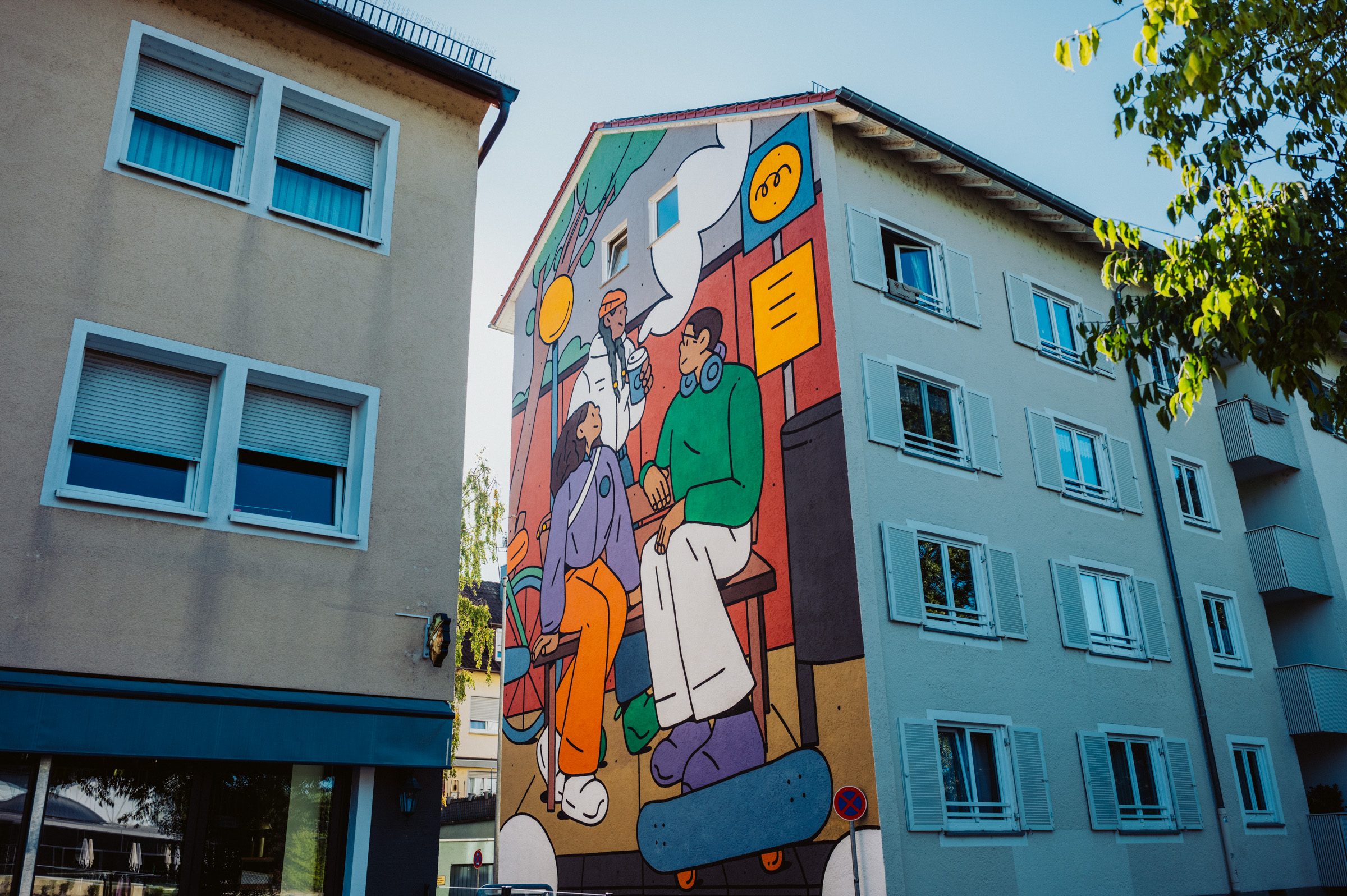
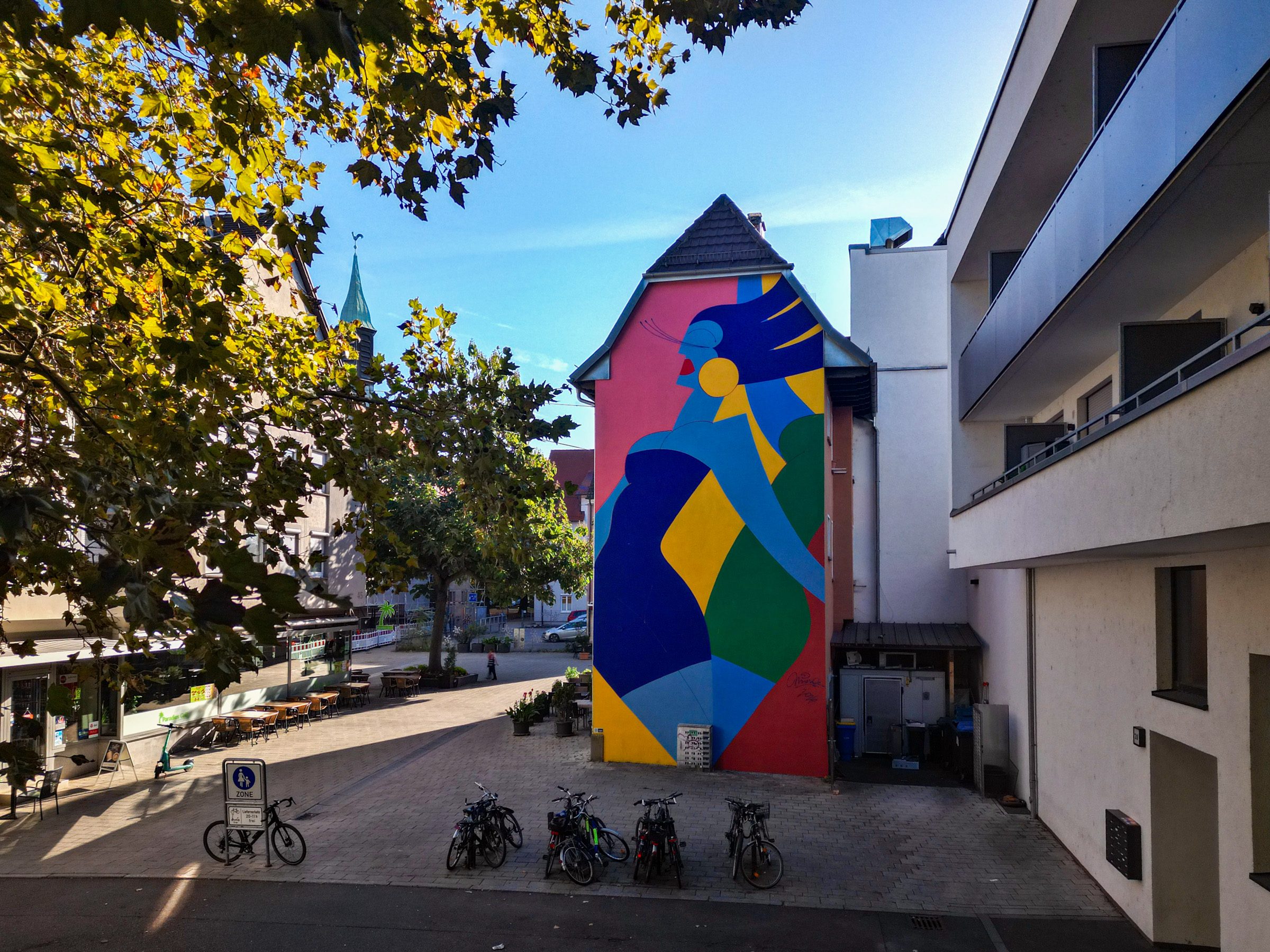
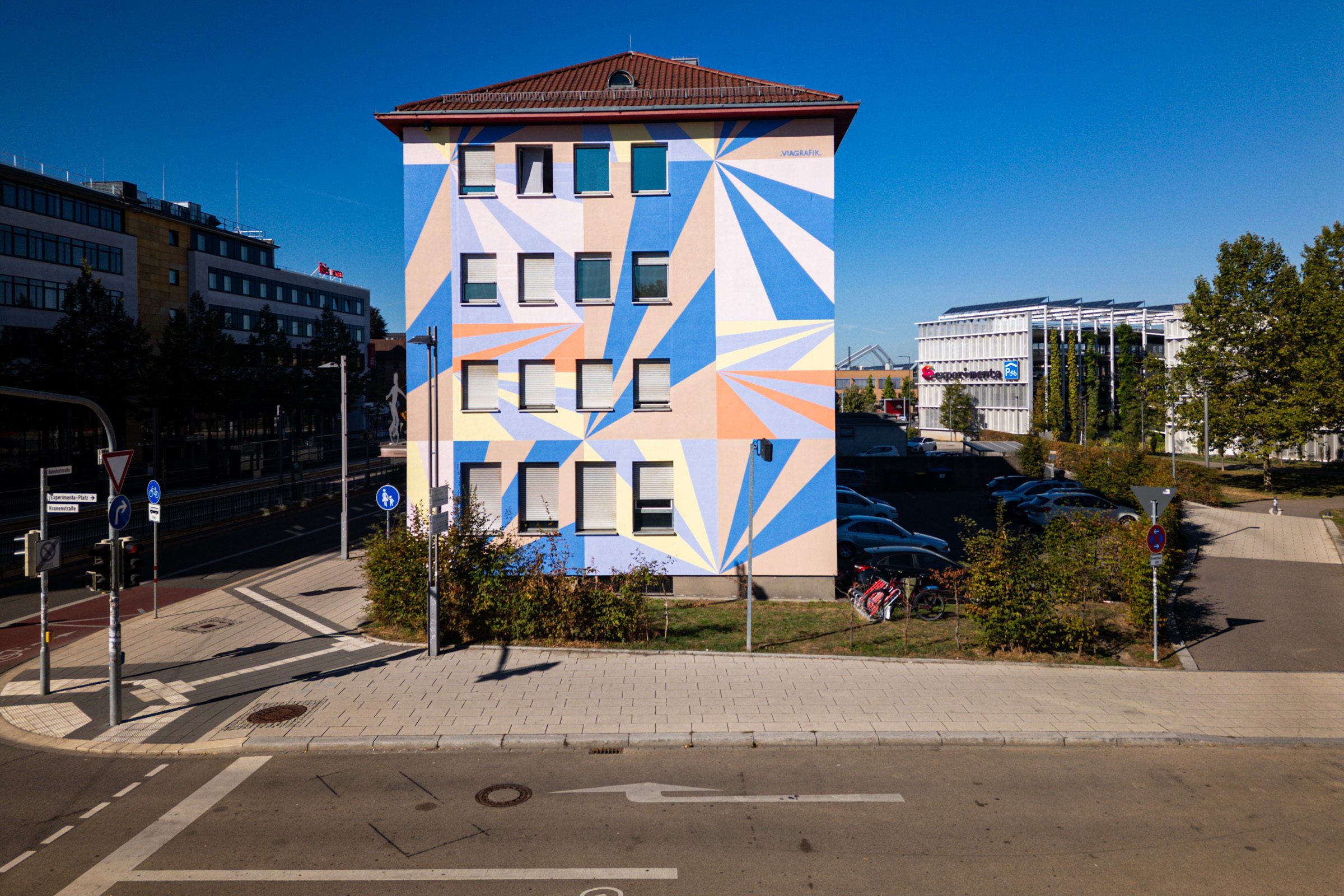
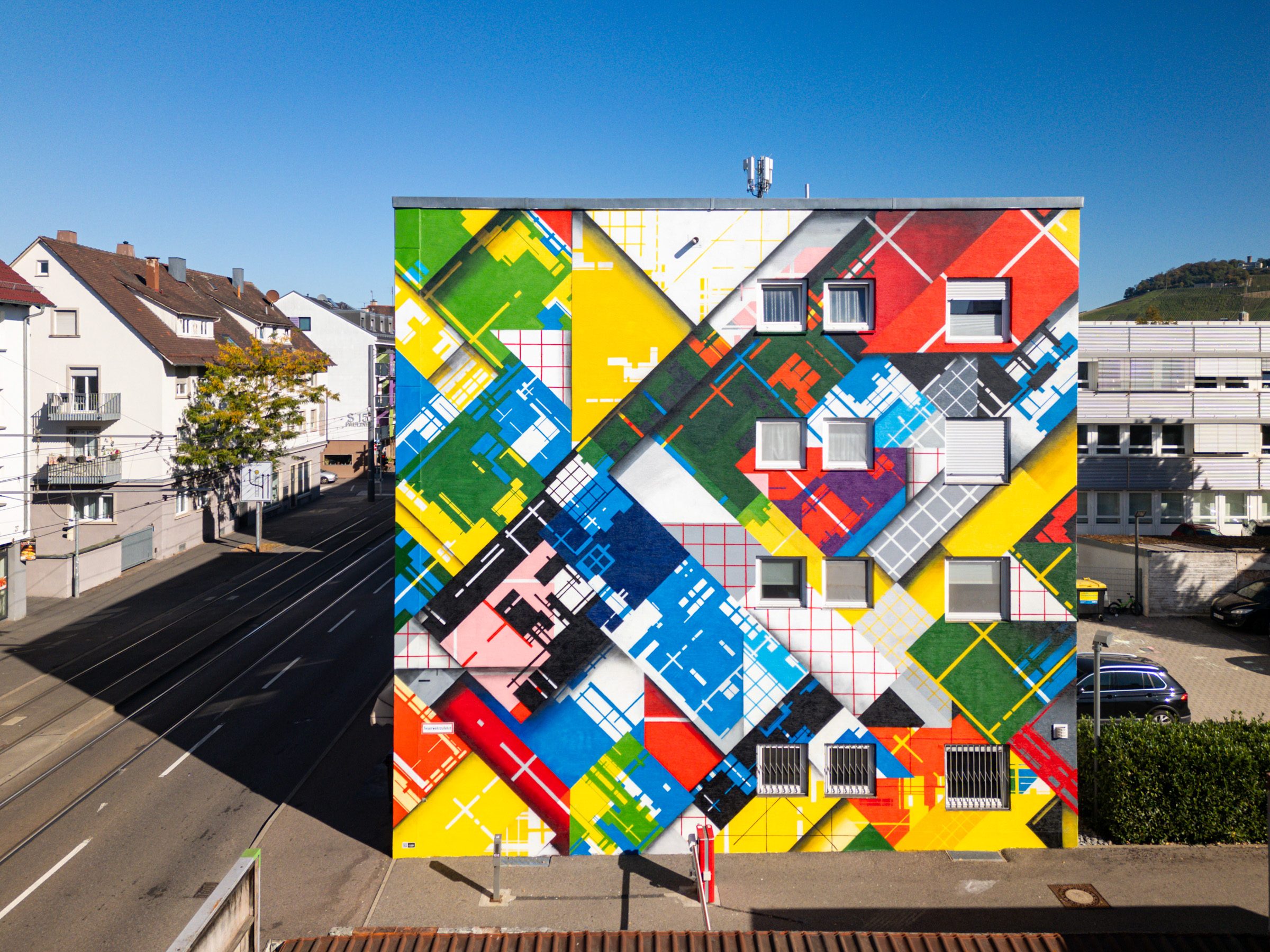
Hello Leo! As a team in Heilbronn, you organized a group exhibition entitled ‘Beyond Graffiti – New images’ and, as part of this, the production of five large and two smaller murals in the city of Heilbronn. Can you tell us when the project was conceived, who’s in the team and how this project came about?
Natalis Lorenz’s enquiry whether I would like to curate an exhibition entitled “Beyond Graffiti” came in the spring of 2024. Natalis is a freelance illustrator, artist and cultural manager, as well as the first chair of the Künstlerhaus Heilbronn e. V., which is based at the Kunst- und KulturWerkHaus Zigarre and has long been an established cultural institution in Heilbronn. Natalis forms the local organizing team together with Richard Rau, a Heilbronn-based graffiti artist who contributed his experience in areas including funding strategies, securing sponsors and mural logistics. CREAM from Potsdam/Berlin supported us primarily as a co-curator and source of ideas for educational programmes. I was largely responsible for selecting the artists, liaising with them, drafting the artist statements and managing the visual communication for ‘Beyond Graffiti’. And, of course, during the final, hectic phase, we were actively supported on site by a number of other interns and volunteers who helped to bring the project to fruition.
The project was originally planned as a simple exhibition in the association’s own premises. However, as we had such fantastic artists on the programme, we wanted to at least try to get one or two murals funded and organized. We certainly hadn’t expected at the outset that we’d end up creating seven murals, PLUS all those brilliant electricity boxes designed by EVOL!
What else does the exhibition venue – the ‘Sheddachsaal’ at the ‘Zigarre’ – usually host? How long has it been in existence, and how big is the venue actually?
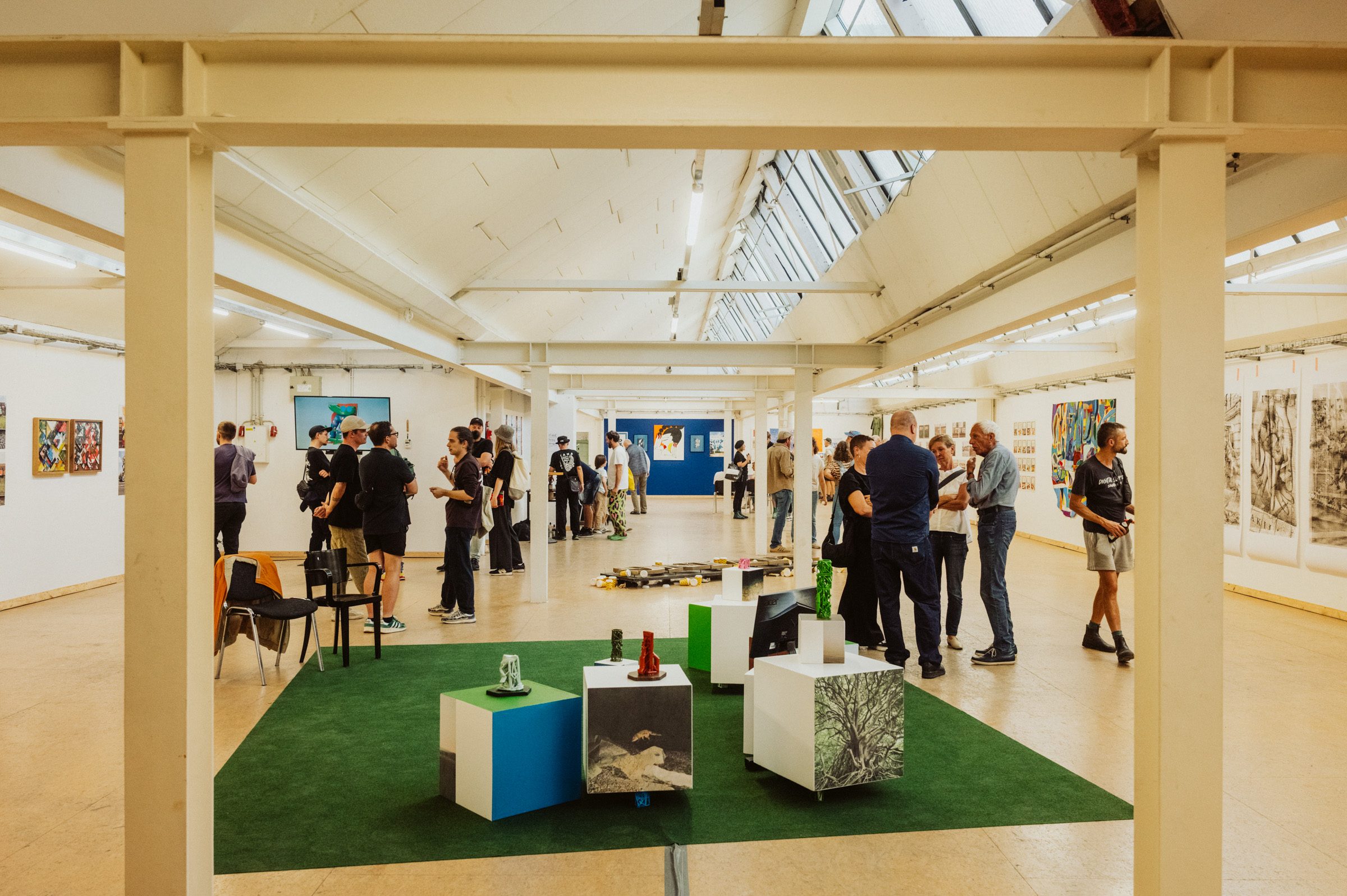
The Künstlerhaus Heilbronn has been an association of visual artists from the Heilbronn area since 1988. Since 2000, the association has been based in the old cigar factory, where artists can rent studios at affordable rates; the building houses workshops, rehearsal rooms, a large exhibition space of around 300 square metres and a smaller one, and is also home to a number of other cultural projects. ‘Die Zigarre’ is also an event venue with its own pub: concerts, dance events and readings take place there regularly.
You are exhibiting works by 15 artists from the post-graffiti movement. Could you explain your approach to select these 15 artists, and what exactly do you mean by the post-graffiti movement? There are, after all, a wide variety of styles represented…
The term ‘post-graffiti’ does not apply to all participants in this exhibition. This term was included in the communication solely to provide a concise description of some of the artists. The curatorial focus was more on the concept of ‘Beyond’. Over the years, many of the artists have evolved beyond painting traditional graffiti. However, the programme also features, for example, Emmett Edelstein, a photographer who documents illegal graffiti. Then there is Gizem Erdem, a trained illustrator who only discovered the spray can later on and uses it as a tool only occasionally. In my view, her visual language, colour palette and, in particular, her thematic ideas expand the existing spectrum of character design and mural art in a very refreshing way. Then there is Studio Vierkant, who are artists in their own right whilst also running an agency that, amongst other things, conceives and organizes mural festivals and exhibitions—either on their own initiative or on behalf of local authorities. The artist EVOL, who, like me, grew up in Heilbronn, did initially work figuratively with spray cans for a few years, but from the outset took little inspiration from traditional graffiti and later developed his ingenious stencil concepts, for which he naturally still relies on spray cans as a tool. Then there’s Benjakon, who doesn’t belong to the graffiti scene, but whose perspective and attitude consistently bring out aspects in his photographs which, in my view, correlate very well with a graffiti artist’s mindset. In this way, the exhibition itself works to further expand the concept of ‘beyond’ in relation to graffiti…
How many works are on display there in total? What particular considerations went into the set-up?
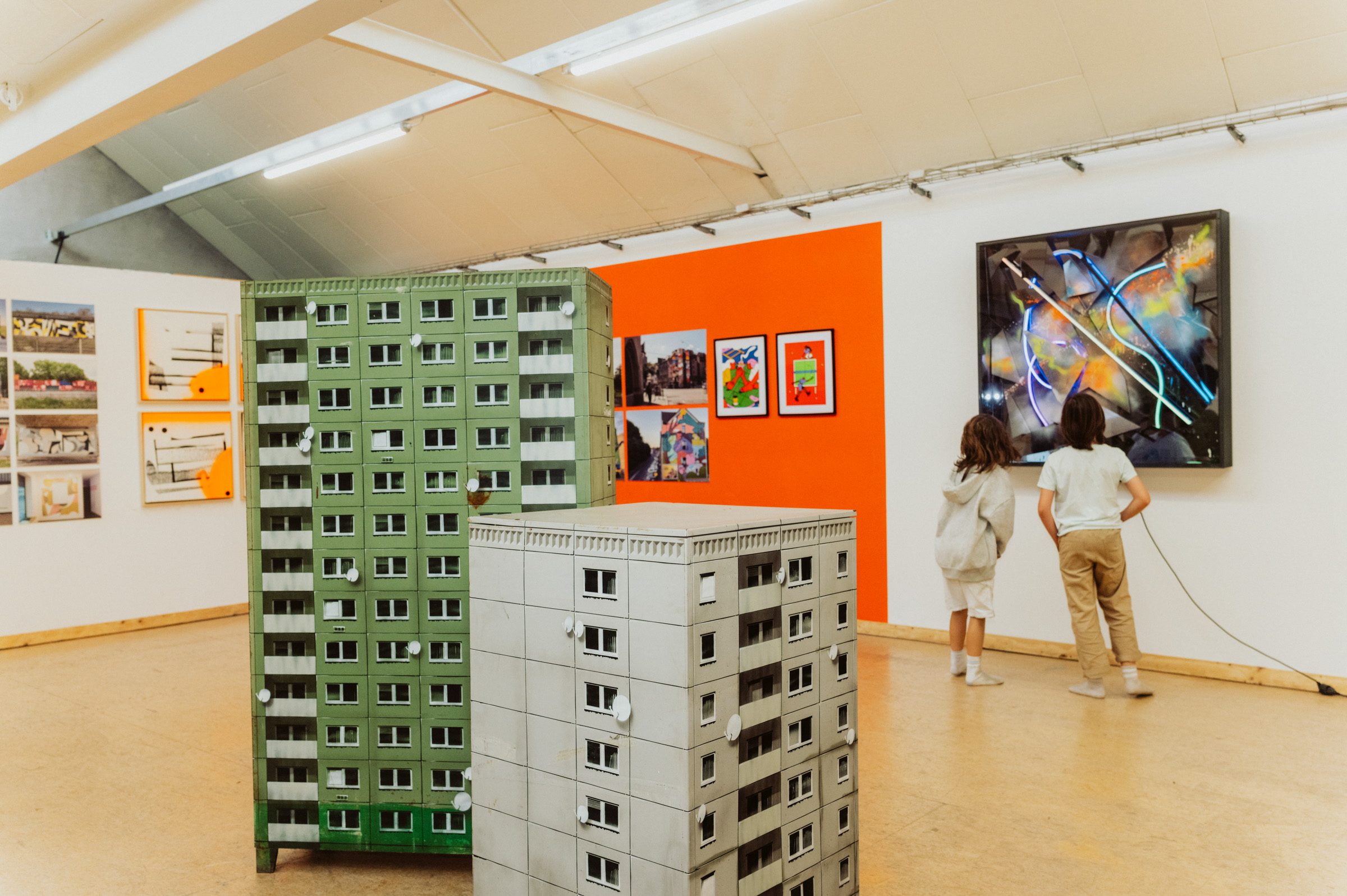
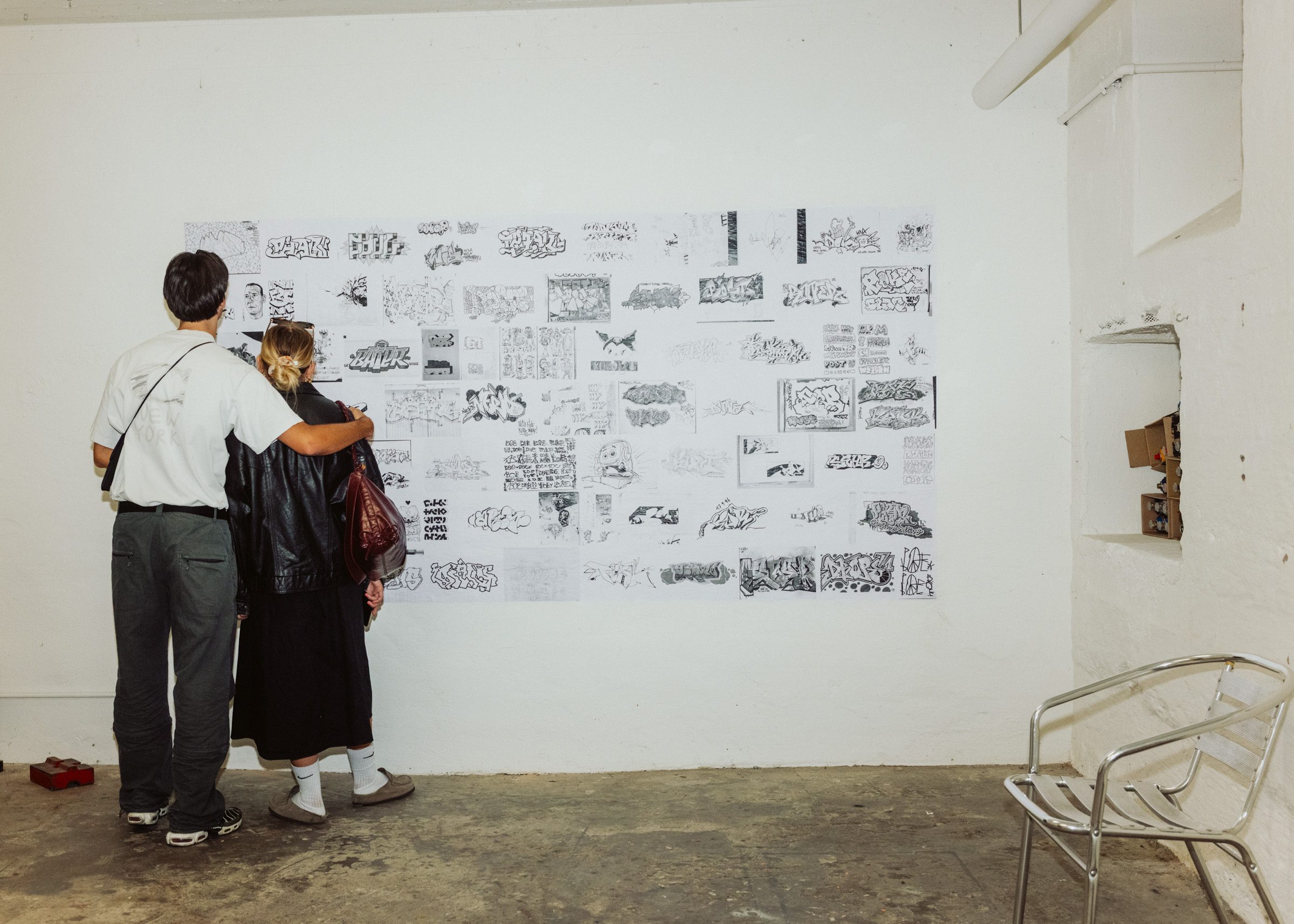
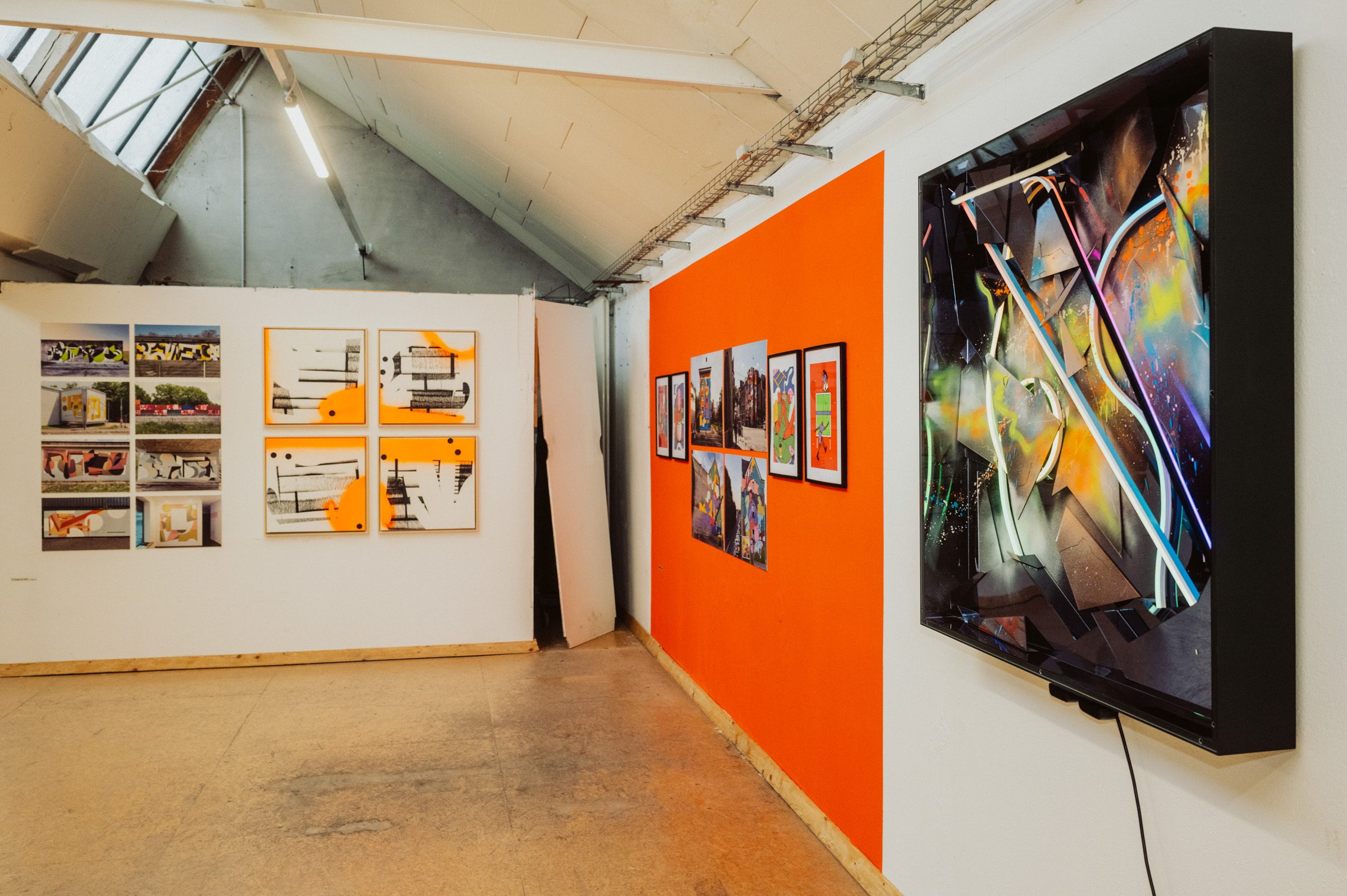
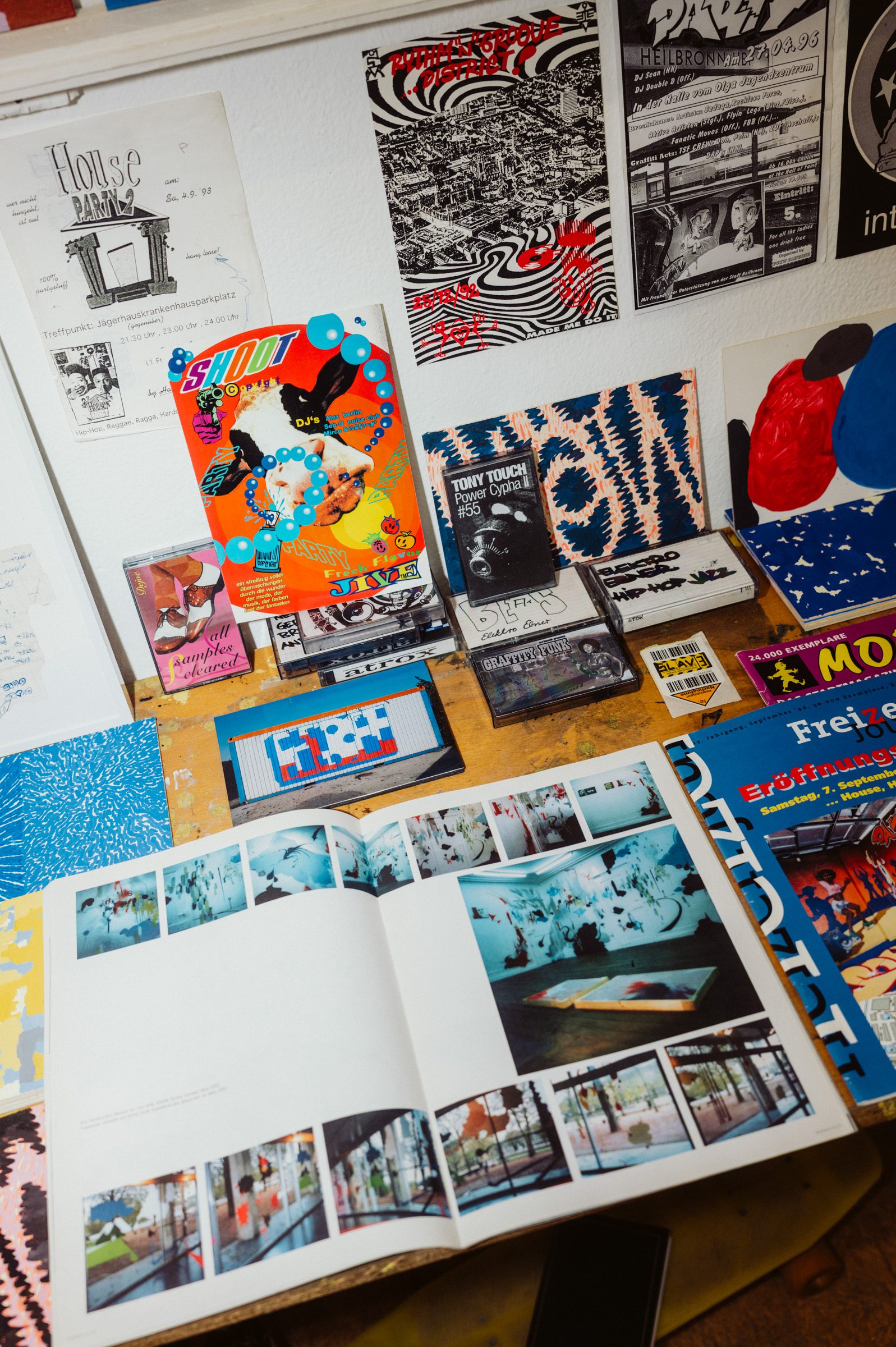
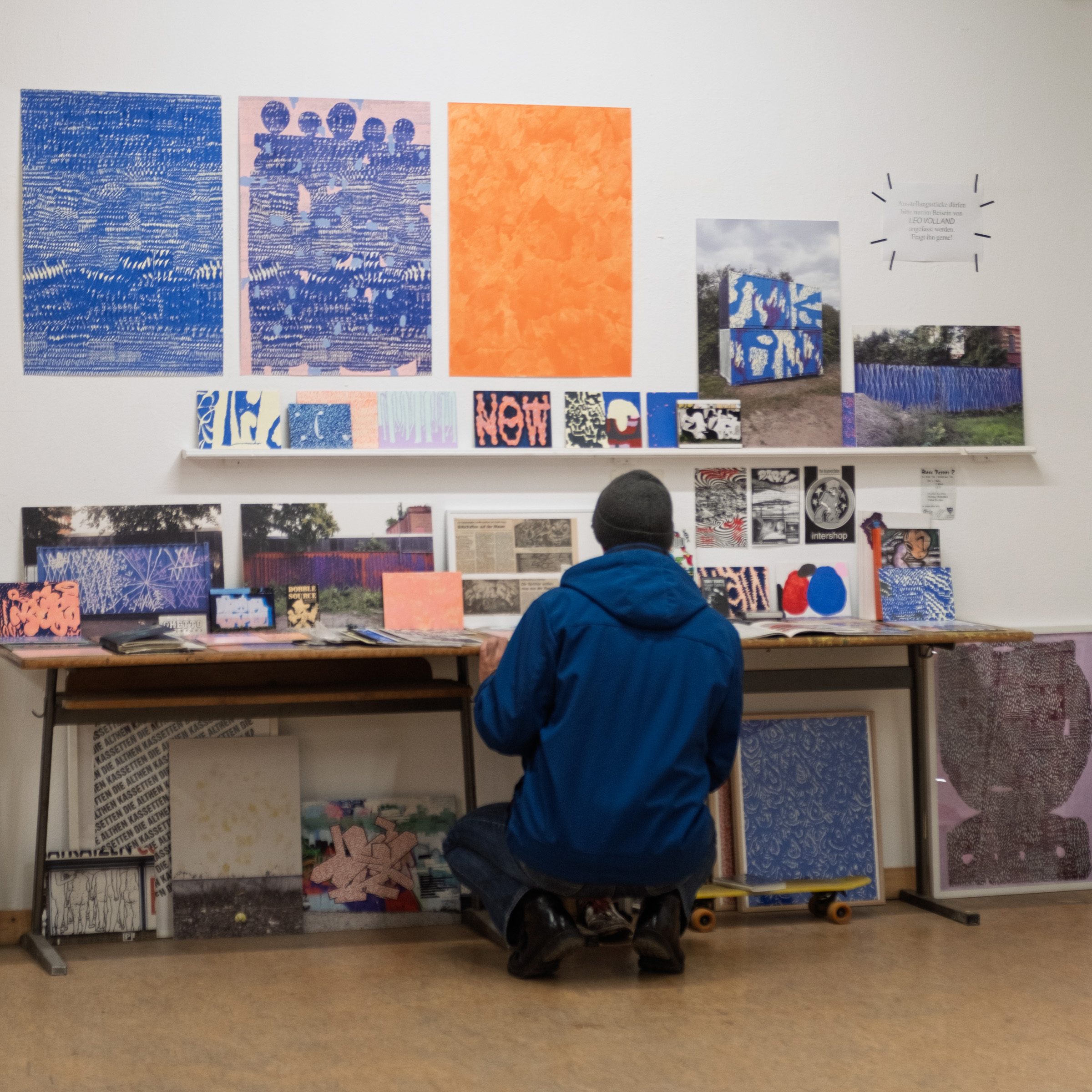
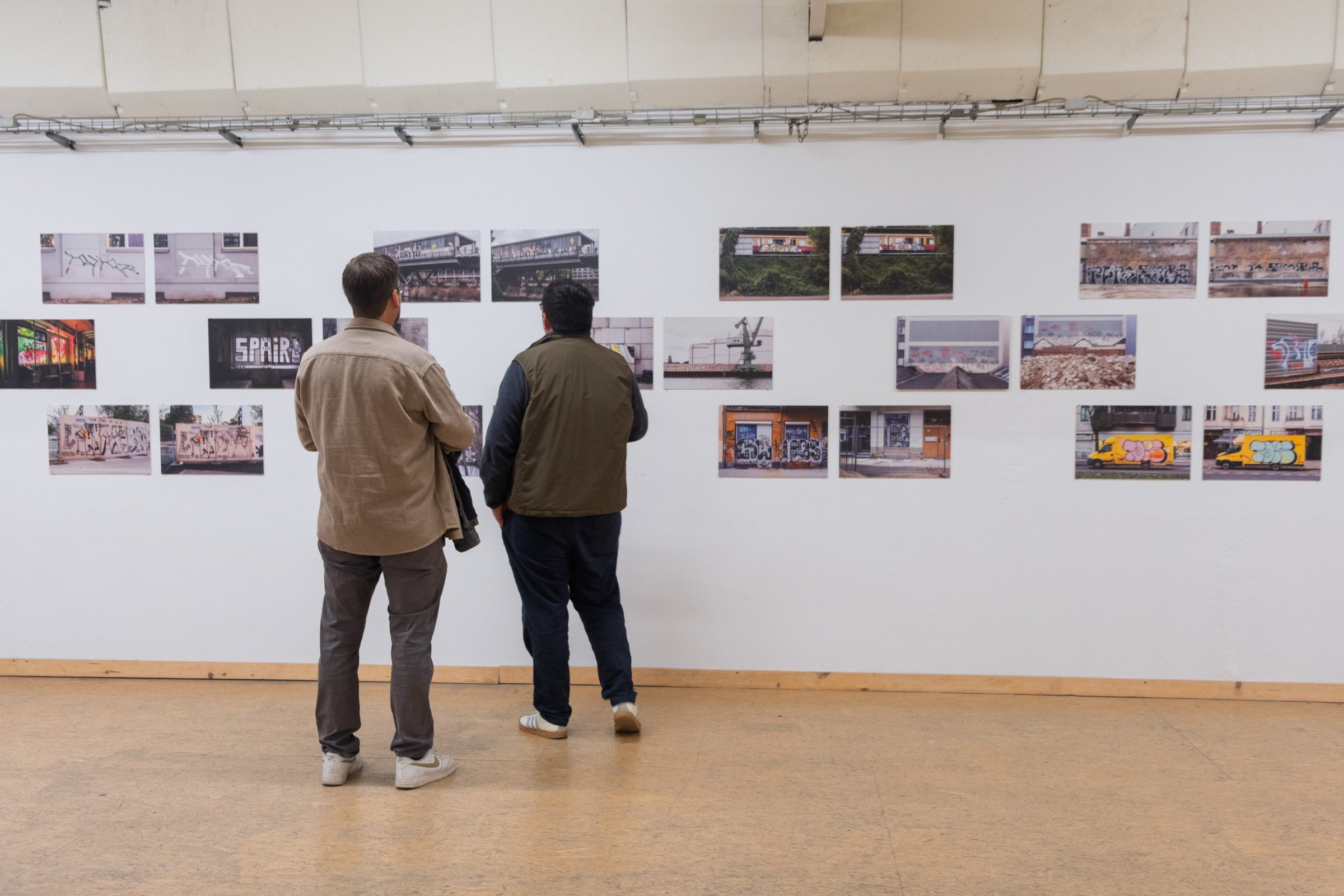
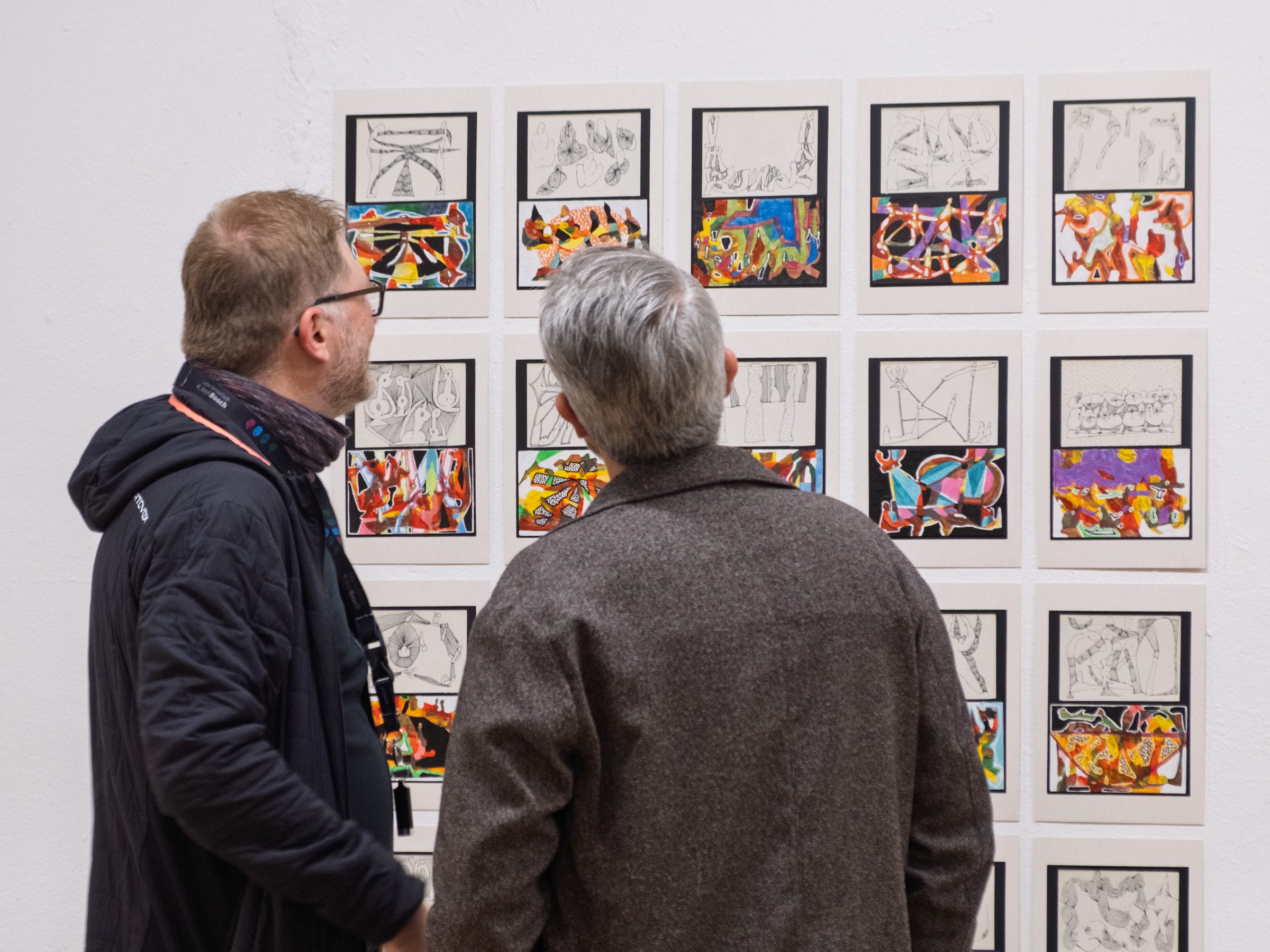
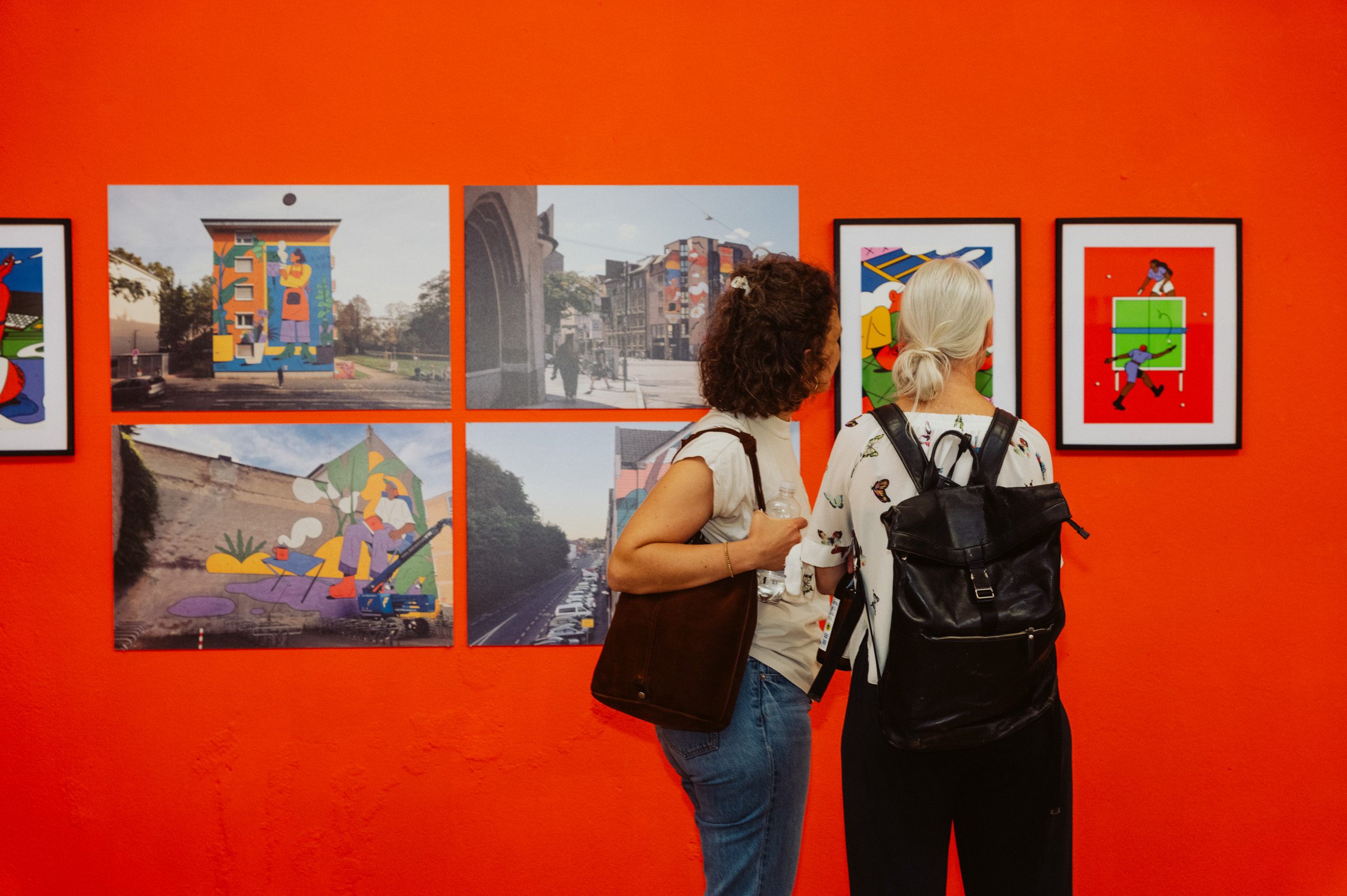
I haven’t counted them. The room’s architecture naturally divides the walls into segments, so the number of works on display more or less resulted from that. As it was also clear that the proportion of people with a background in the art scene who would visit the exhibition would be quite small. I wanted to design the exhibition from the outset in such a way that there would be plenty of points of reference for newcomers to art, without artificially diluting the standard of the works on display. This gave me the idea of combining, in each section, documentary photographs of outdoor works with one or more original pieces. It was important to me to present the Heilbronn public – most of whom would be encountering this exhibition largely unprepared – with a wide range of works and styles in this way, whilst at the same time enabling them to understand how the outdoor works relate to those from the studio. Apart from that, wall works are, of course, often particularly impressive to outsiders due to their size and the surroundings in which they are created. On the other hand, the originals are also essential as they are much better at conveying the sensory aspects of art than documentary photographs. I think the combination works very well in our exhibition.
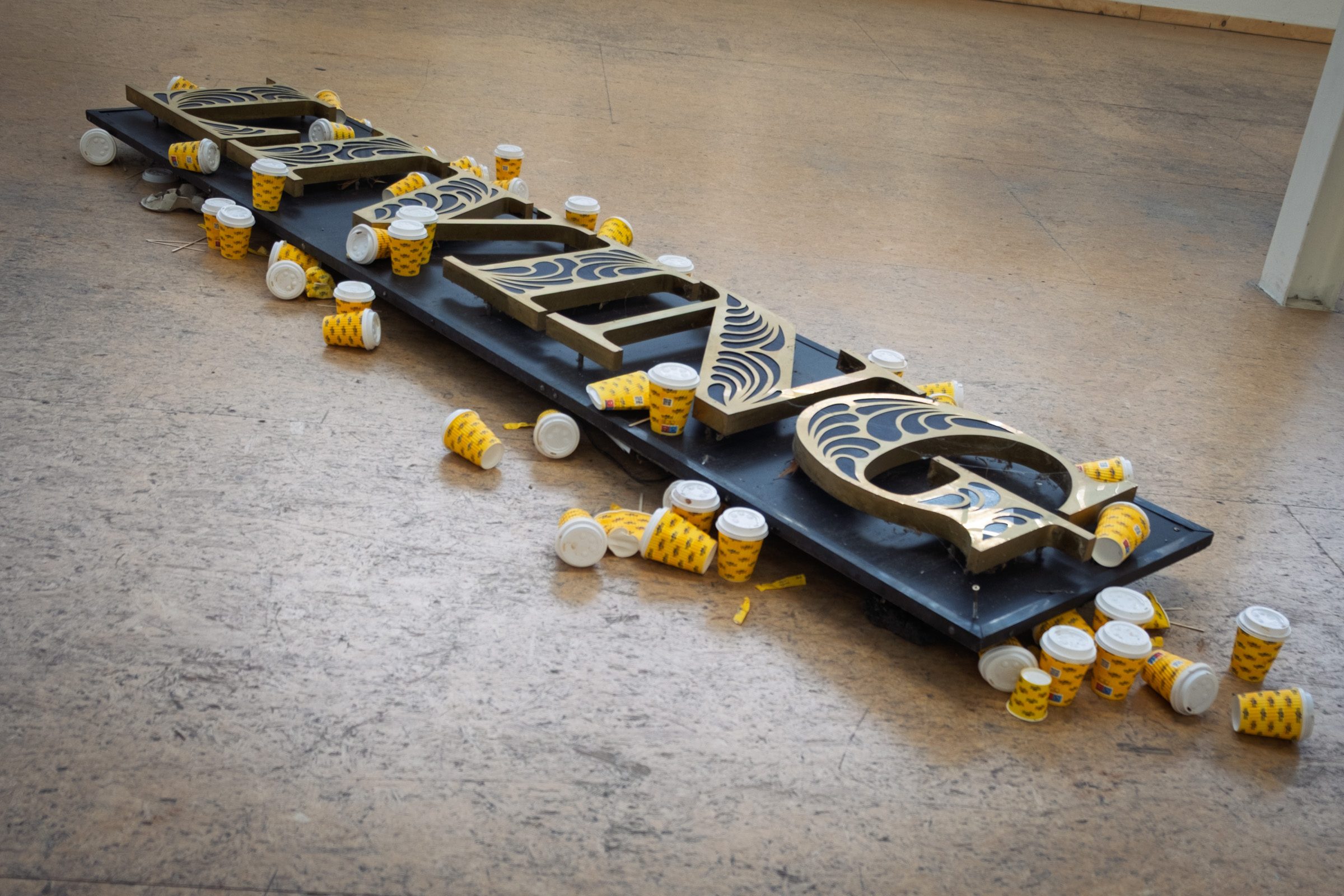
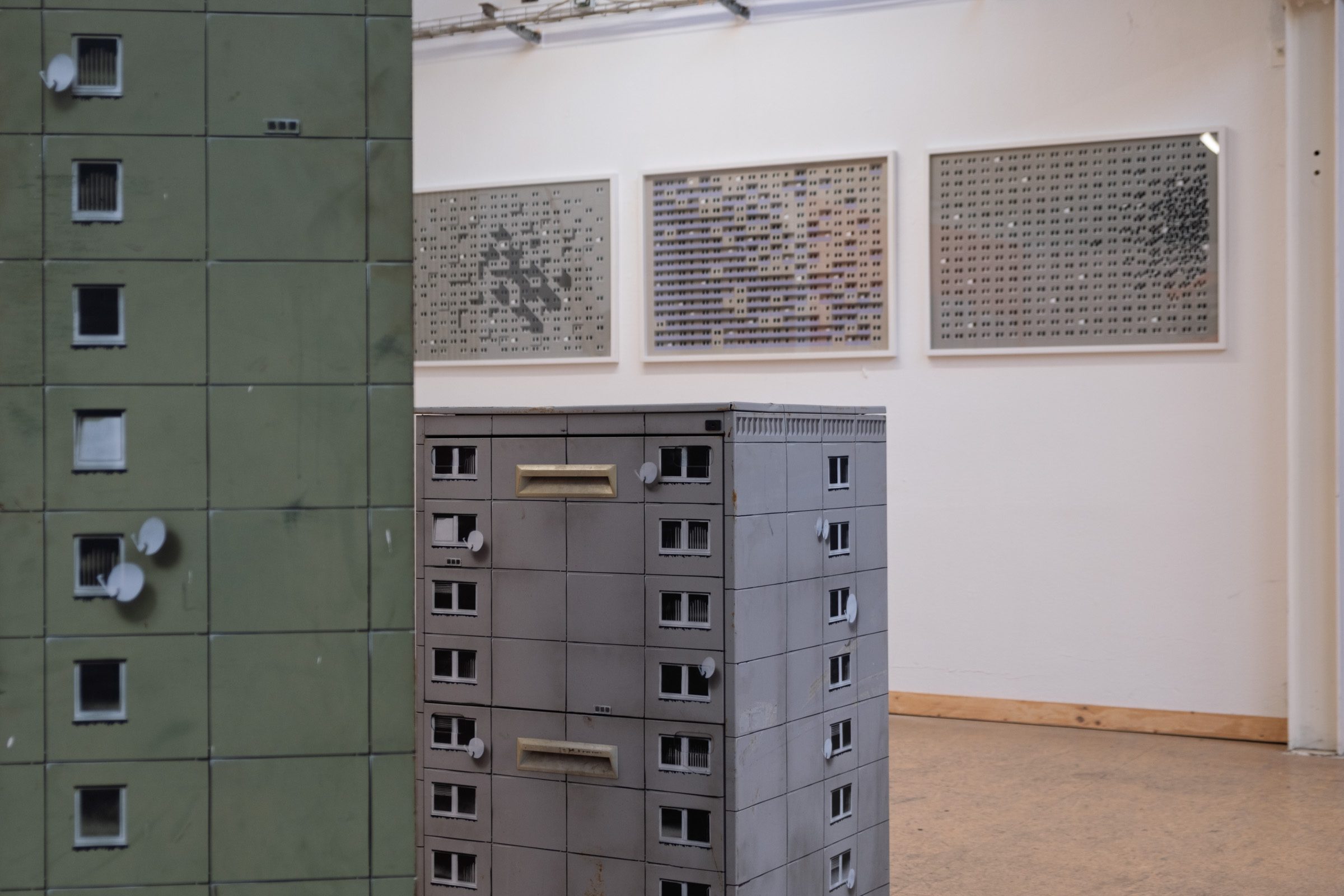
The photographers featured in the exhibition, of course, are not showing studio works, but only photographs. And for some sections, it became apparent during the planning process that we would only be showing originals here – partly because, for example, EVOL and Blazej Rusin actually had the opportunity to create a wall or design electricity boxes in the urban environment on site, meaning there was less need to include photographs of such works in the exhibition.
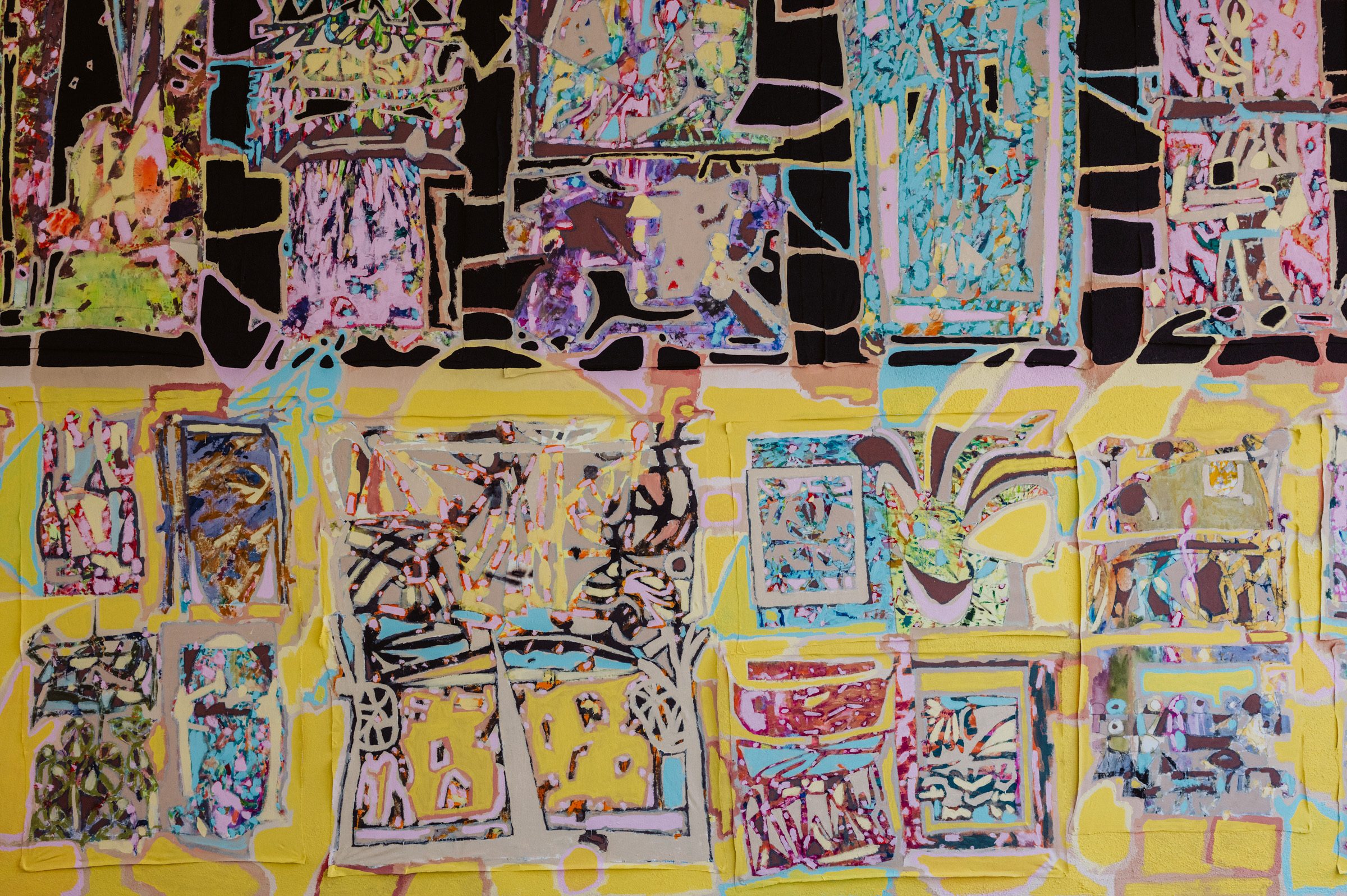
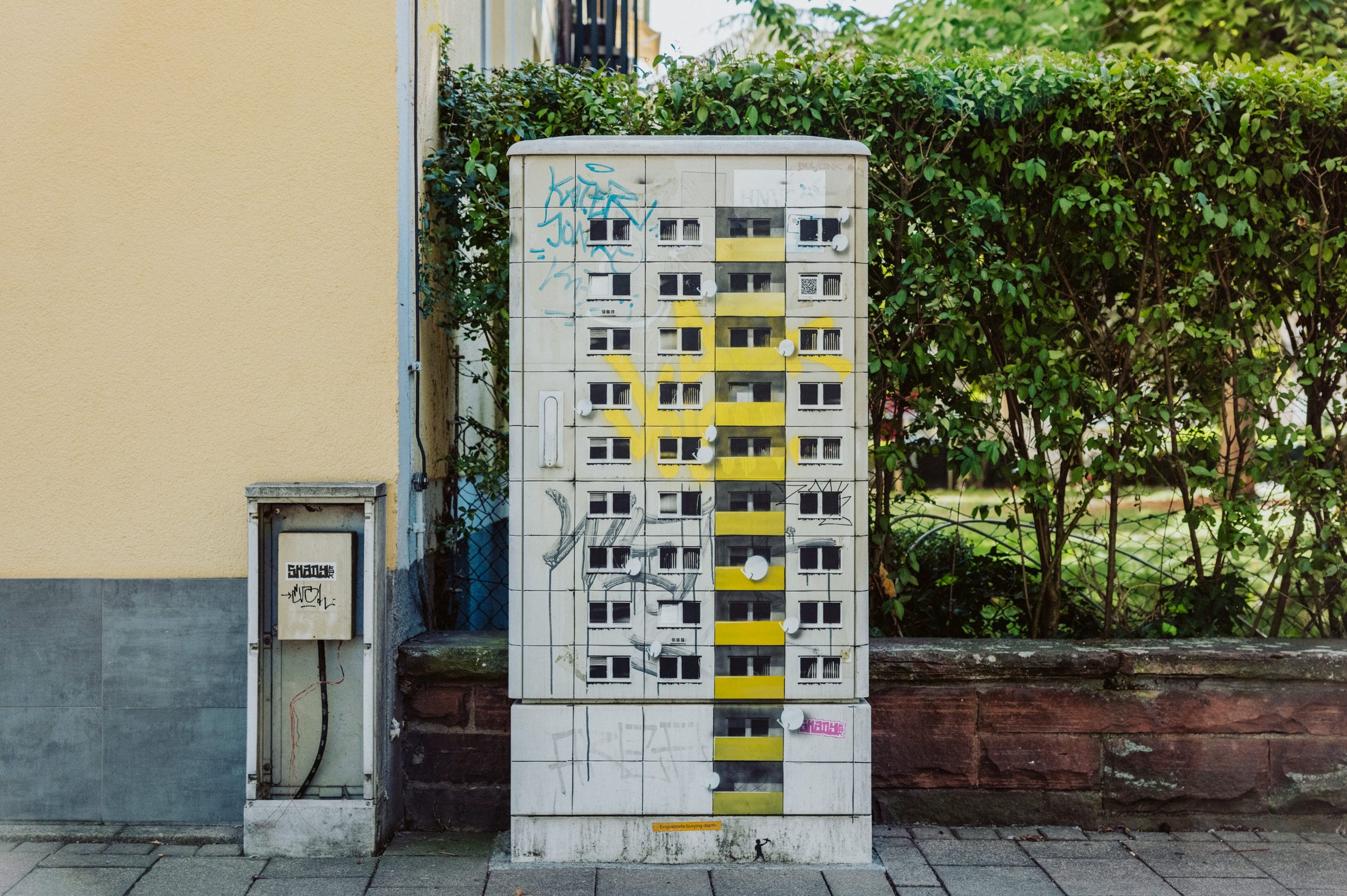
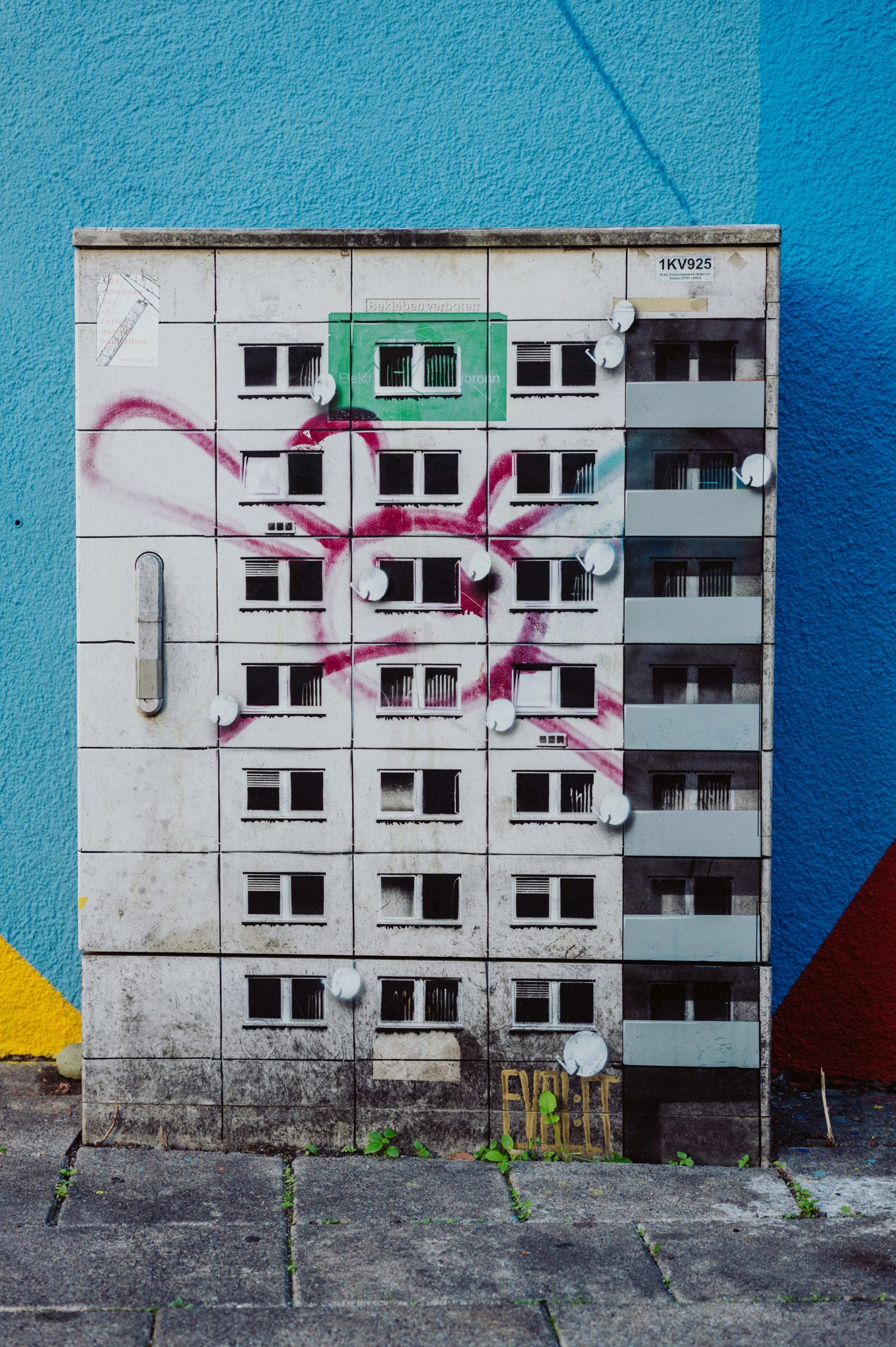
The individual sections were intended not only to be separated from one another by the physical layout of the space, but also to stand out clearly from one another in terms of content and visual presentation. So visitors have a good opportunity to sort through and make sense of the great variety and density of works within the space.
Are the works on display there also for sale? If so, in what price range?
We didn’t particularly push or emphasize the sale of works, so it was certainly not a sales-focused exhibition – not even in our communications. Nevertheless, a handful of works were sold in the price range of 300–4,000 euros. The most expensive work in the exhibition is priced at 12,000 euros. The Künstlerhaus receives a share of the proceeds in the event of a sale.
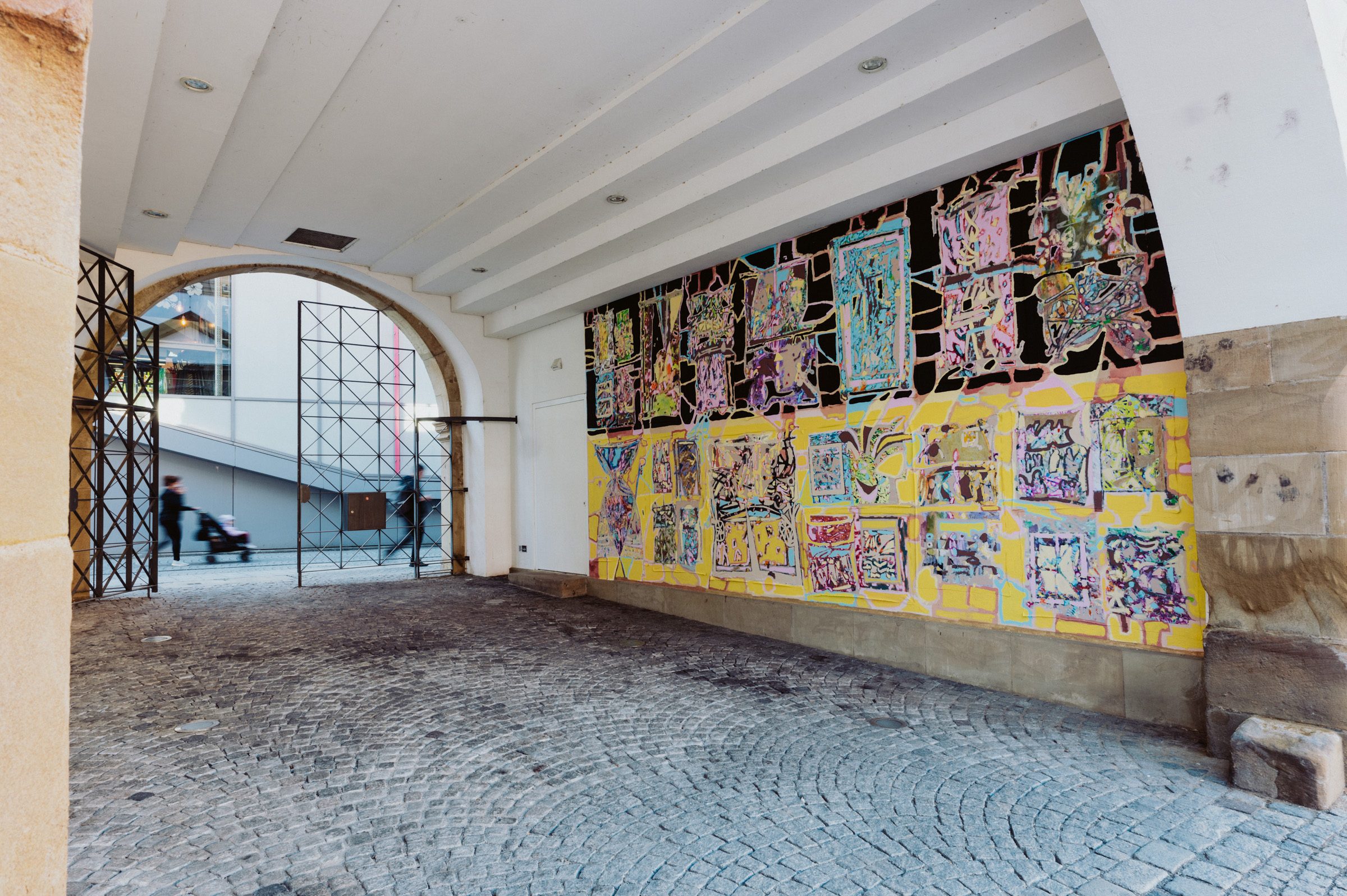
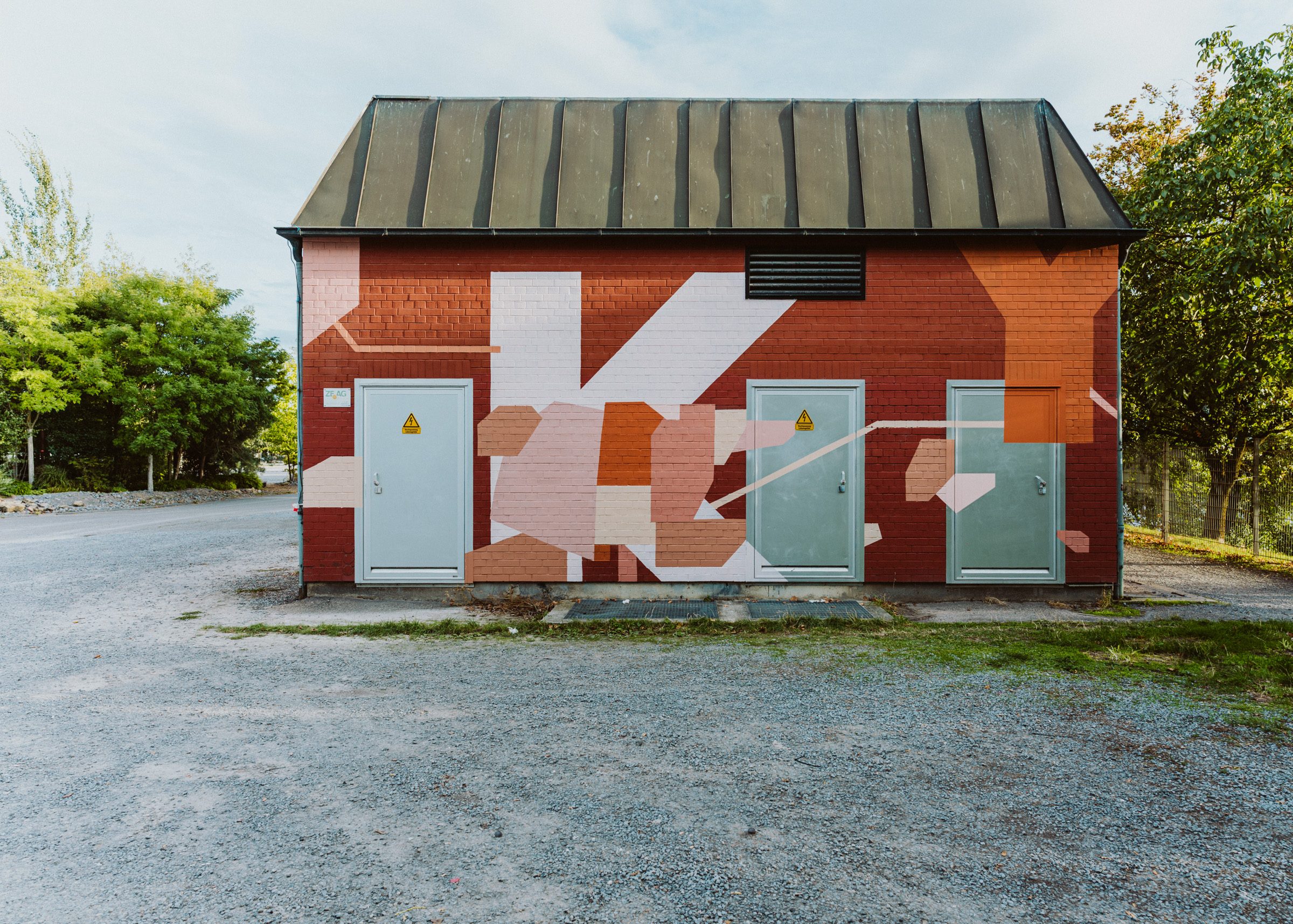
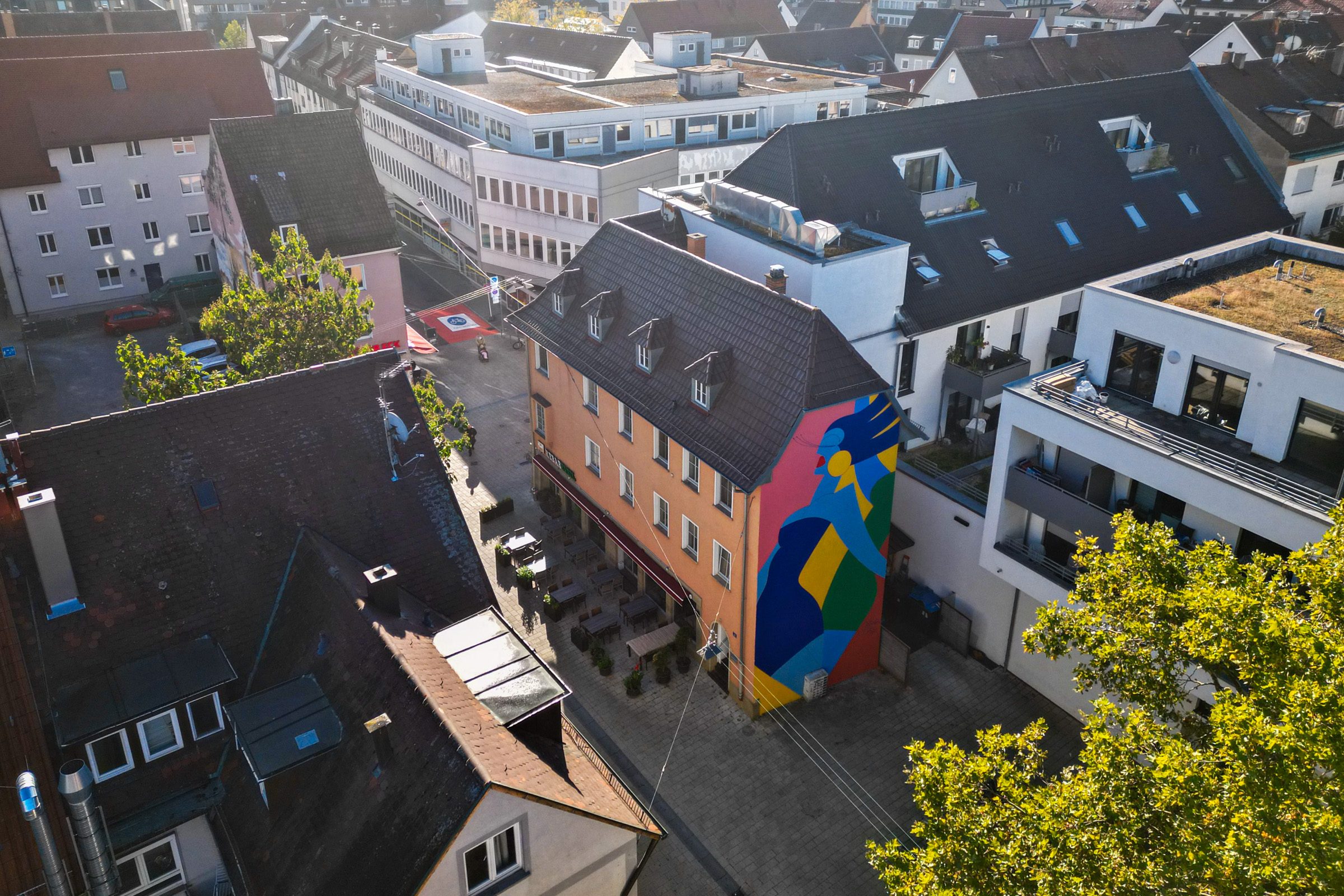
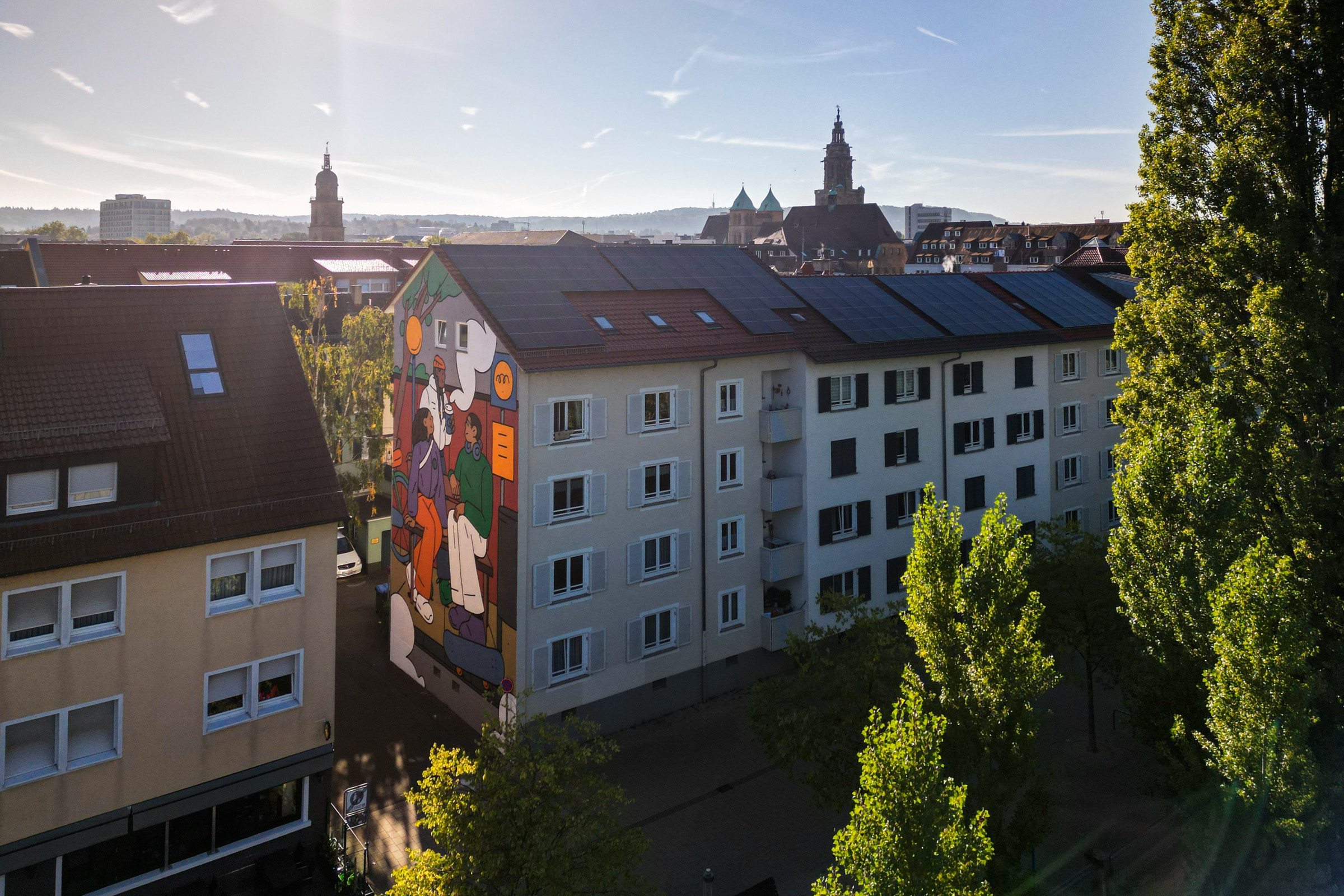
Seven artists have also been able to create wall paintings – five large murals and two small ones – in public spaces in Heilbronn. What criteria did you use to select them, and how difficult was it to find suitable walls and convince the owners?
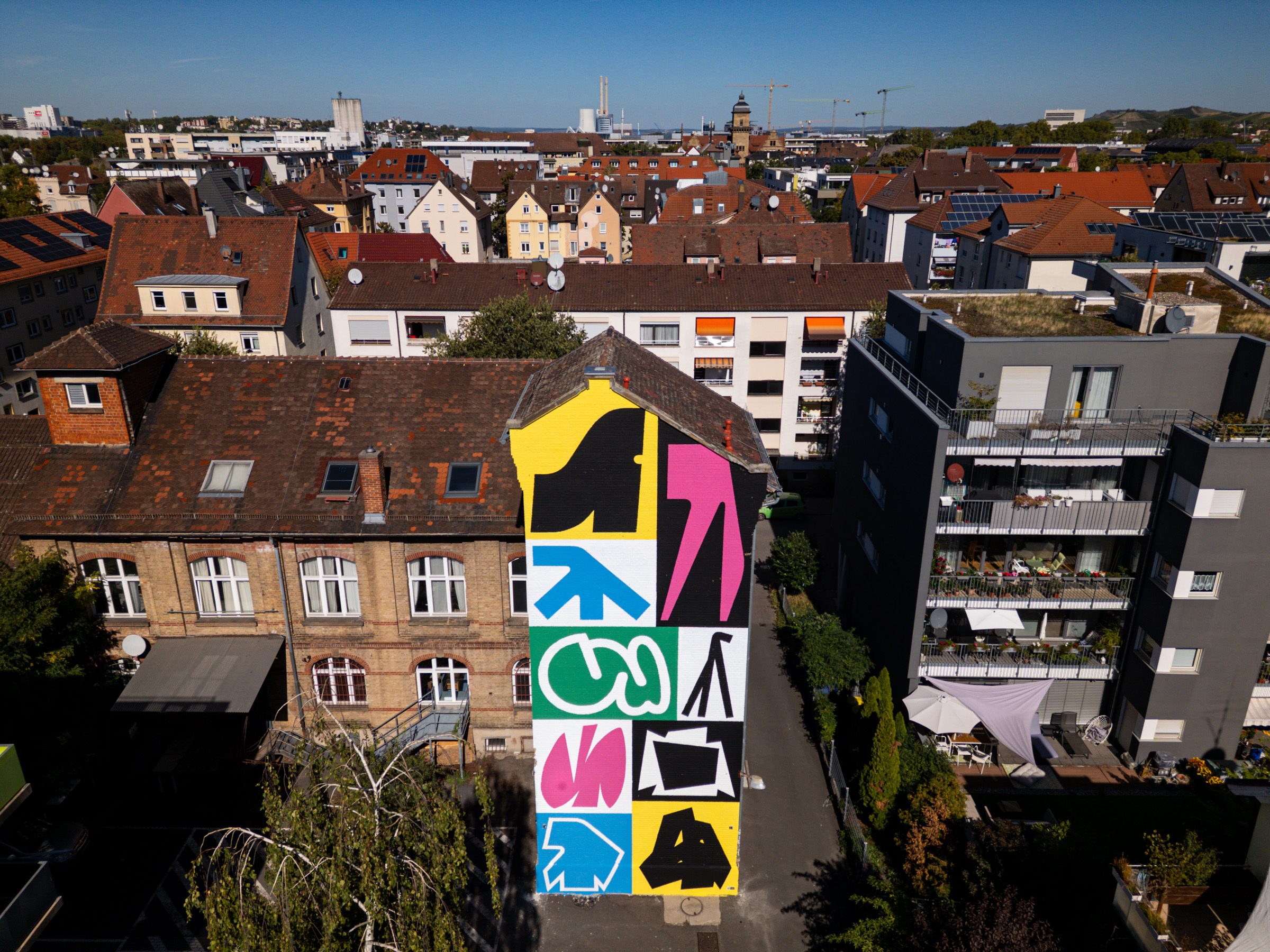
Five of the walls are owned by the city. As the relevant officials at the city council were already aware of the current trend for ‘mural art’, they were quite quickly willing to support our project as a sort of ‘trial run’. We had to have the designs approved here, which was a bit tricky for us in the case of one wall, but ultimately still led to a great result. Other walls belong to private individuals, where the approval processes varied from case to case, but fortunately weren’t overly complicated in the end. However, there was also a design approval process here. A very special case, of course, was the collaboration with the Municipal Museums, where Blazej Rusin was given the opportunity to create a painting in the museum’s gateway. Here, too, there was a conceptual phase during which the concept was presented to the museum management. Ultimately, of course, we were always able to rely on the high calibre of the invited artists, who were quickly able to submit compelling designs.
At this point, I would like to reiterate that we did not initially intend to organize a mural festival and, accordingly, had not selected the artists based on such criteria. We approached the relevant authorities with the artists we’d already included in the programme for the exhibition – and who’d already confirmed their participation – to see if we could produce murals with precisely these artists. As this worked out so well, the public perception has shifted somewhat towards that of a mural festival, as these murals naturally have an even greater impact on the overall cityscape.
How long did the search take?
About 1–1.5 years.
When were you able to start, how long did these productions take in total, and were there any particular challenges?
We began planning the murals about a year before the event, once we knew which walls would be available to us – or might become available if our design proposals were approved. The individual murals themselves were completed over periods ranging from 3 to 7 days. As we were a very small team, we made sure not to take on too much. So we carried out the murals at staggered intervals over the last four weeks before the exhibition opened, ensuring we had enough manpower to properly handle the on-site organization. The entire organizing team also obtained the necessary licences to operate aerial work platforms in good time – which, in fact, represented a significant additional cost. Furthermore, we received support in key areas from specialist firms in the form of advice and materials, and were also able to get important tips from Studio Vierkant, who, through the PFFFestival, already have a great deal of experience in creating murals.
How did you manage to secure funding for this project?
Natalis submitted numerous applications and attended project presentation meetings. We certainly benefited to some extent from the fact that the topics of ‘urban art’ and ‘murals’ had, of course, already caught the attention of the decision-makers in the small city of Heilbronn, but had not yet been addressed in this specific form. As a result, we found a receptive audience both with the city council and at the Kreissparkasse, and both provided us with suitable funding quite quickly. In addition, there were a number of other funding schemes, supporters, and partners who enthusiastically came on board to support a project that was so novel and special for Heilbronn. For example, two of our subprojects were funded through the federal programme “Demokratie leben!”. And the fact that Natalis maintains a strong network and had the backing of a very well-established cultural association in Heilbronn certainly didn’t hurt when it came to securing funding – people simply seemed to have faith in our ability to carry out the project.
Was the response from the people of Heilbronn positive? What were the reactions in the city centre?
The city’s Councillor for Culture gave a speech at the opening, and the exhibition was very well attended – significantly more so than many other exhibitions held at this venue in the past. The link with the ‘Long Night of Culture’ also worked out brilliantly for us – the exhibition was particularly well attended on that evening. As always, alongside the many positive comments there were also a few critical ones, relating to specific aspects which we take seriously and are trying to assess properly.
There were also workshops as part of the supporting programme. Who were they aimed at, and how did they work?
There were workshops focused on designing a commemorative mural for the victims of the NSU murders. One of these murders was committed in Heilbronn against a policewoman, at the very spot where the mural has now been created. Natalis had invited pupils from Heilbronn to explore the topic together and come up with ideas for the mural. He then incorporated these ideas into a coherent design concept and brought it to life with the help of young volunteers. The Lord Mayor of Heilbronn is due to officially unveil the mural next week.
There were also a number of traditional graffiti workshops held on various dates, where we invited people to get a taste of the basics of graffiti and have a go at using the spray cans. After all, graffiti as a phenomenon would be unthinkable without the many experimental attempts by young people – particularly in public spaces, where they sometimes cause quite a bit of trouble. But, let me put it this way: without those first attempts, there can be no ‘beyond’ later on…
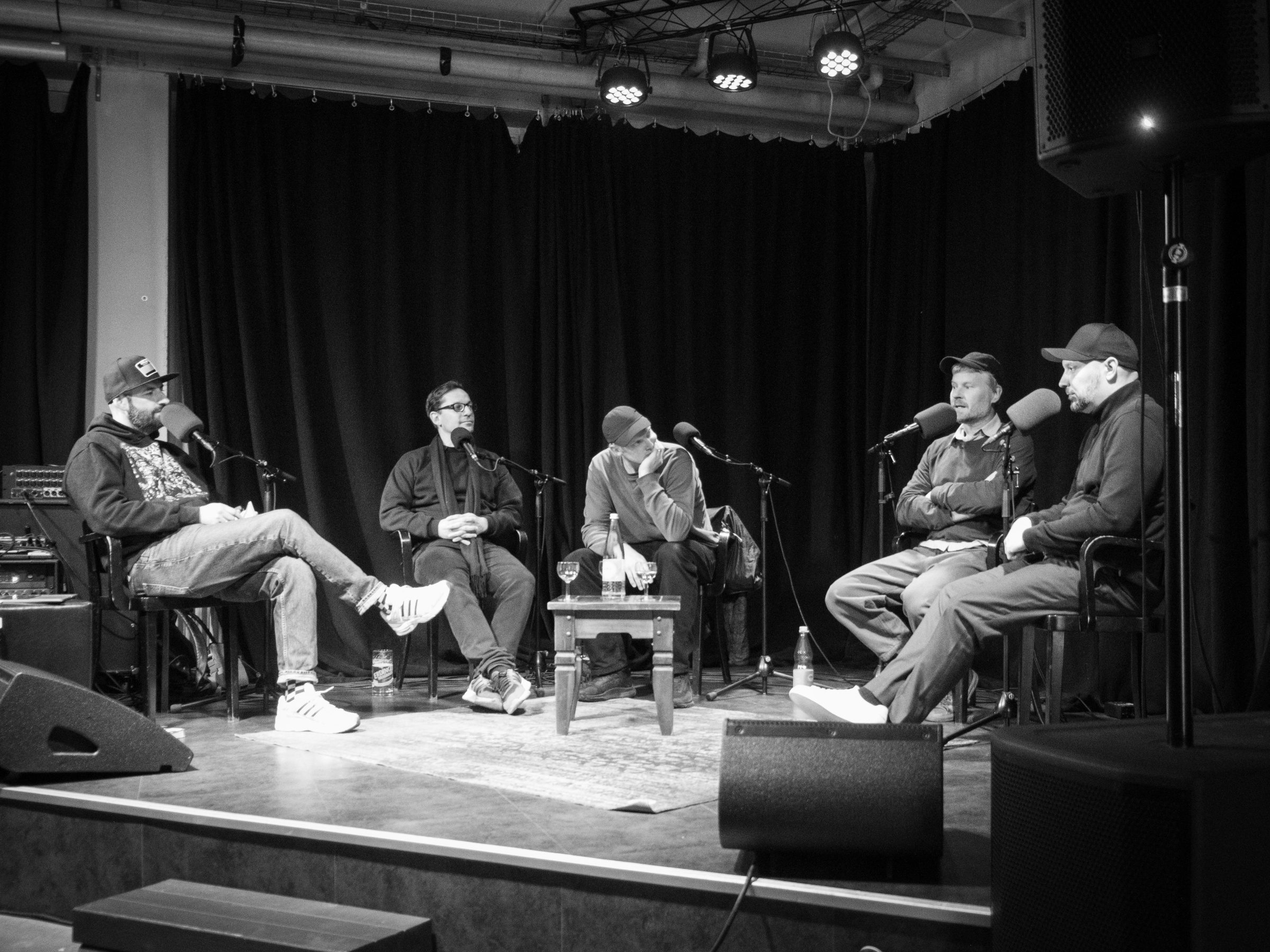
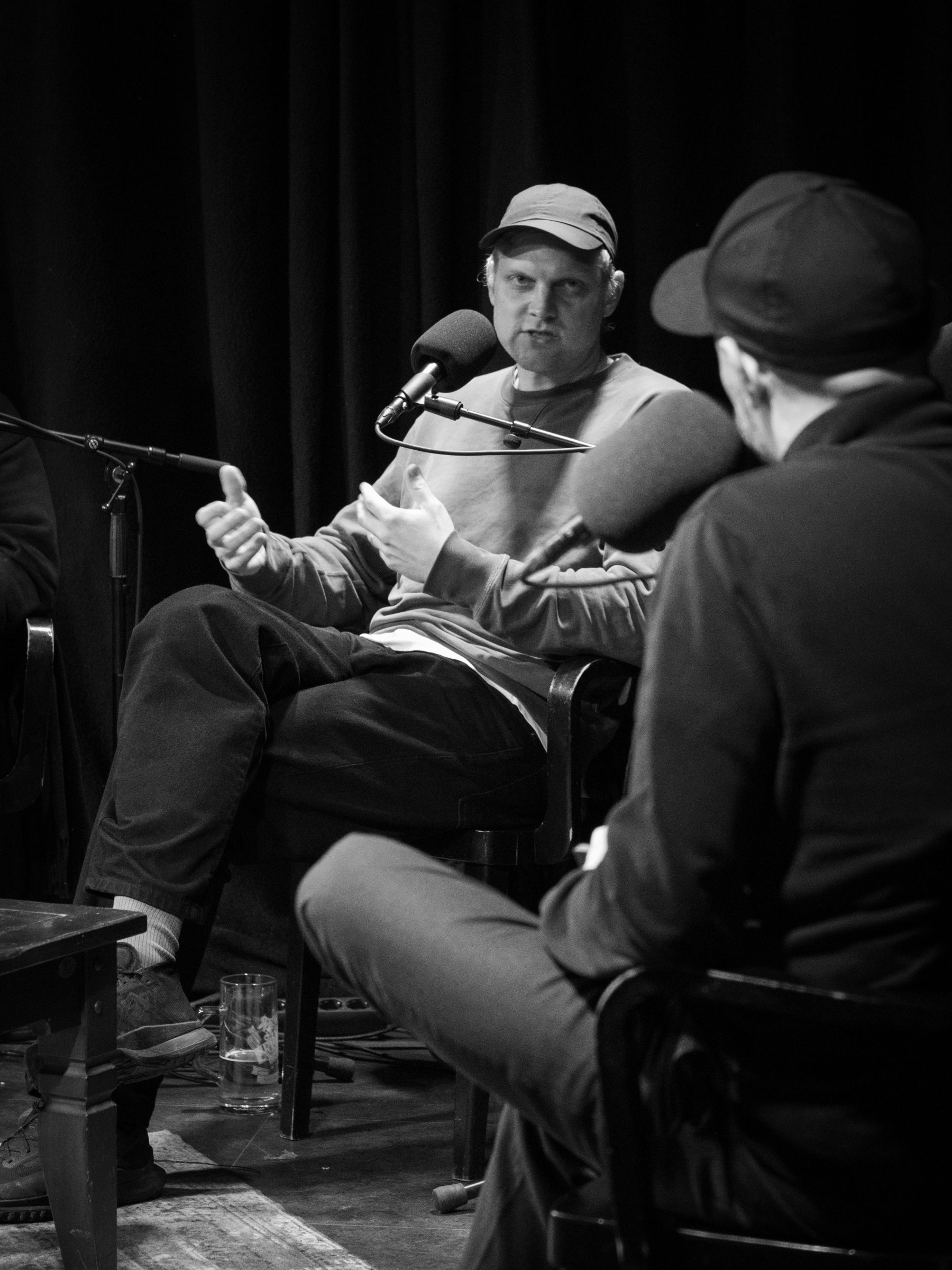
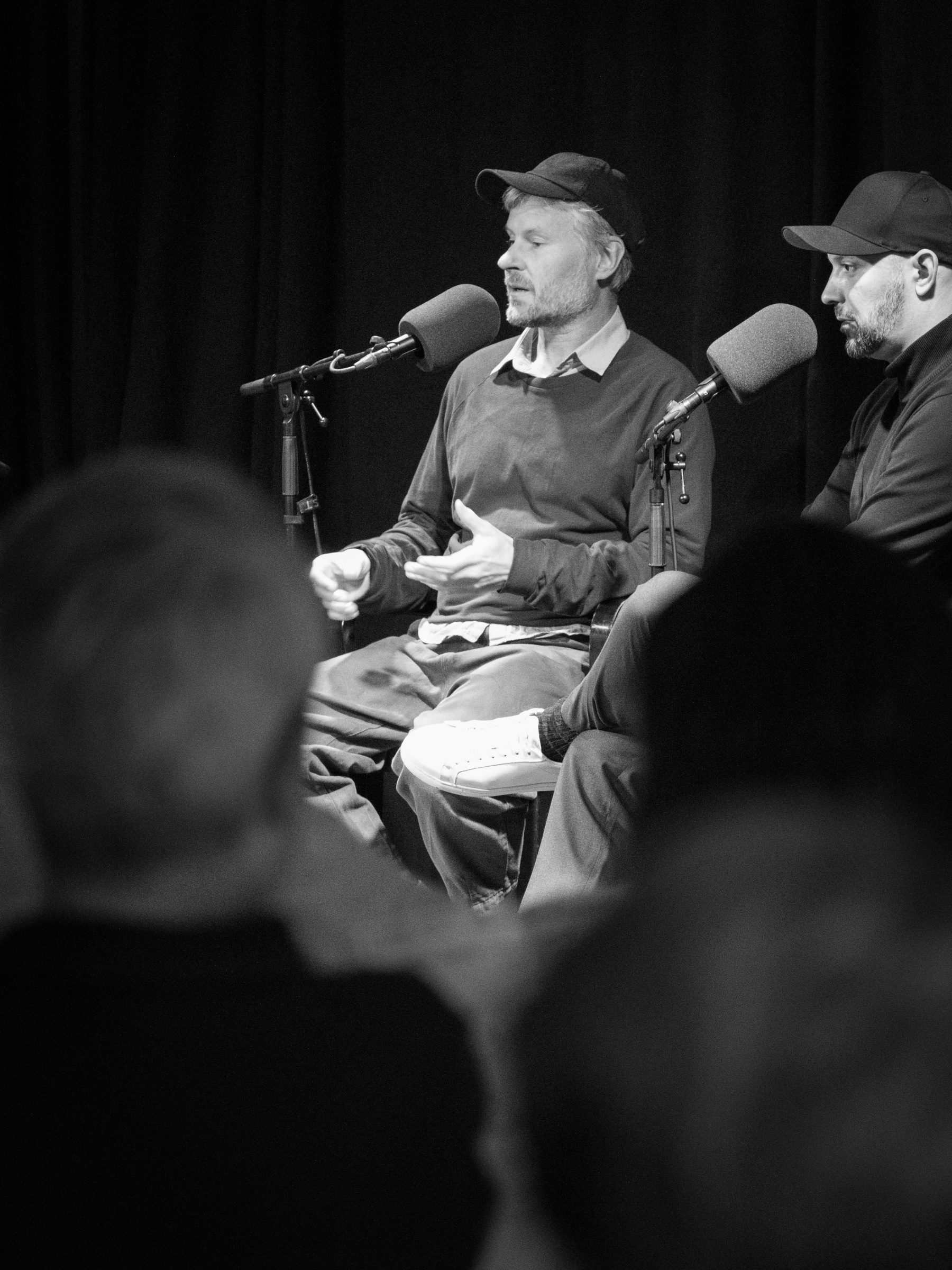
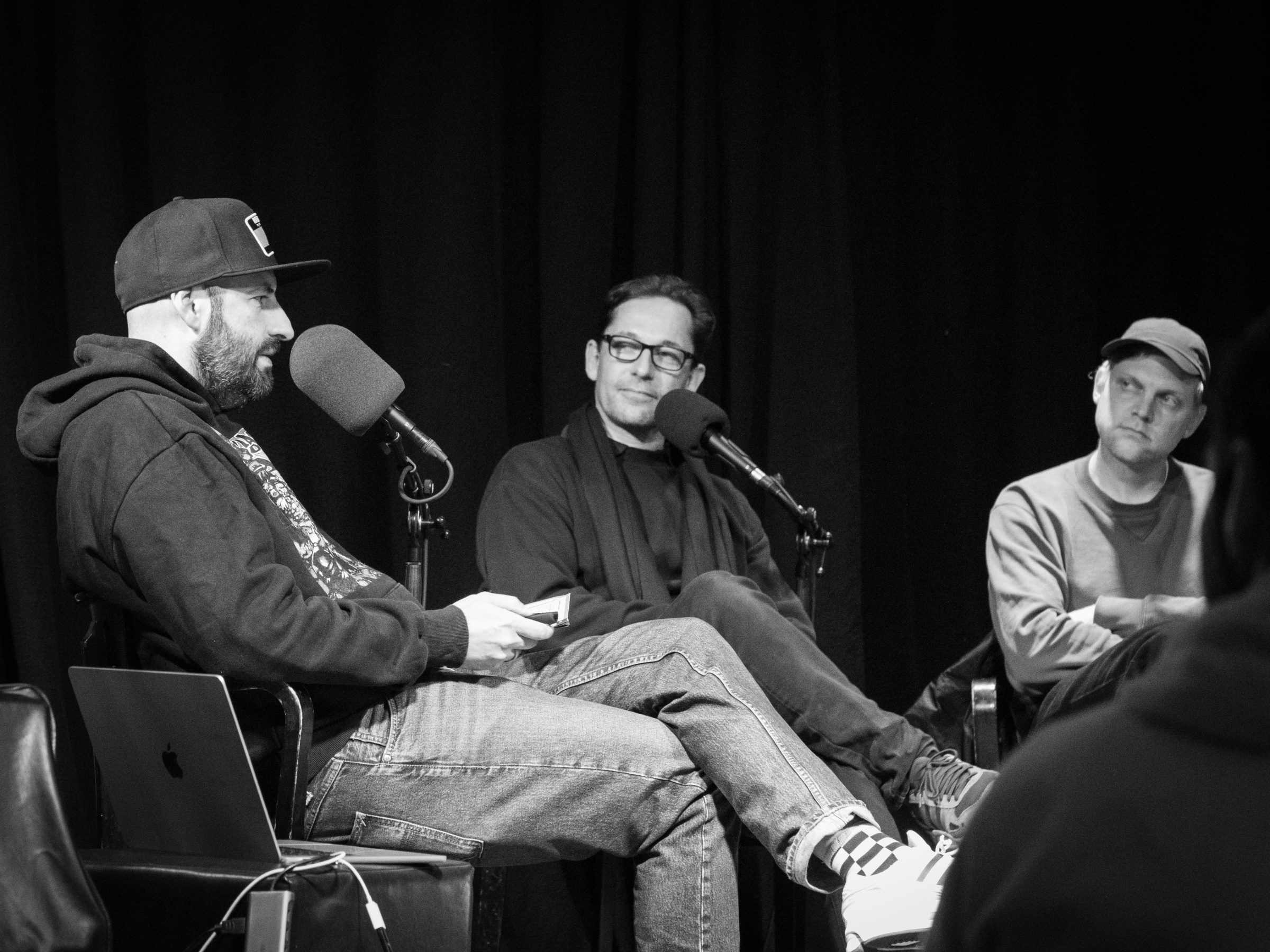
You’ve also organized talks and live podcasts. What was the response like, and looking back, what do you think was the most interesting part?
Fundamentally, it was important to us right from the start to create educational opportunities, or rather to establish platforms that facilitate communication. On the one hand, we see the role of art and culture as drawing people out from behind their screens; on the other hand, the subject we engage with so intensively is certainly rich enough to offer outsiders points of connection they can relate to as well. As for the talks themselves, the response on the day was a bit lacklustre, but that doesn’t mean we could have done without them, as we know that at least everyone involved gained valuable experience from them.
My personal highlights of the project were, firstly, the collaboration with the museum, because this unique setting enabled us to place Blazej Rusin’s somewhat more challenging or daring paintings within the urban landscape. And secondly, the interaction between the invited artists themselves. This wasn’t something we could have planned, which made it all the more wonderful to see how people got to know one another, interacted with each other, and the depth of conversation that was possible. Alongside many other aspects, these two really moved me deeply and have provided lasting motivation.
Has the podcast been recorded and is it available to listen to?
We’d like to take this opportunity to thank CROW and KGEE from ‘Walls don’t lie’ for their collaboration on this educational programme! You’ll soon be able to listen to the edited conversation at https://wdl.rocks/.
You’re originally from Heilbronn, but you’ve been living in Berlin for a long time now. How has Heilbronn changed over the last 30 years?
The city has changed a great deal since I moved away in the mid-90s. Back then, there was a large supermarket called ‘Handelshof’ in the industrial estate between Heilbronn and Neckarsulm… lots of people used to go there to shop because it was a few groschen cheaper. Today, the shop owner is the richest person in Germany, Dieter Schwarz, founder and architect of Lidl and the entire Schwarz Group. He has played a major part in turning Heilbronn into the boomtown it is today. Several years ago, Der Spiegel even dubbed him the ‘Emperor of Heilbronn’. He has established a university of economics and an educational campus there, commissioned the construction of a huge science museum, initiated the building of an international AI park, and so on… Heilbronn will soon have an urban cable car designed to link the city centre with the AI centre. So, on the one hand, he is driving the city’s development forward on a massive scale and creating jobs; on the other hand, however, there are naturally aspects in which he takes little interest… such as art and culture. The city’s landscape has changed – there’s even now a light rail system that runs through the city and is certainly very popular. The scene and party culture, which was really strong in the 90s, has shrunk considerably… but I’m always pleased to see signs of it resurfacing… be it DJ collectives, an alternative bar or even young graffiti artists who have a great vibe and organize cool events.
Have you ever organized a project there before?
Since I stopped living there, I’ve done quite a few exhibitions, murals and commissioned work as a graphic designer in Heilbronn, but I hadn’t actually helped organize anything myself. Natalis has evidently been following my career closely for years and, at just the right moment, recognized my skills and got in touch. I’m incredibly grateful to him for that, as the project has also enabled me to develop personally in a fantastic way! The temporary switch to the role of curator has greatly enriched my development and expanded my personal understanding of ‘beyond’ even further!
What was it like for you to carry out such a large-scale project in 2026? Has it changed your perspective on Heilbronn?
For me, of course, it’s absolutely brilliant that my talents are in such demand in the city of Heilbronn. I’ve always felt a connection to Heilbronn – particularly because I was able to enjoy a wonderful, varied and very free-spirited youth there, and my work has always been well received there too. The scene there in the 90s certainly played a big part in that and provided a breeding ground from which I still draw inspiration today.
Do you think your project has had an impact in Heilbronn and on the local residents and visitors?
I feel there’s a sense that many people in Heilbronn are pleased that murals – and, in the broadest sense, ‘urban art’ that goes beyond traditional graffiti walls – are now a thing there too.
Would you like to carry out another project there? Are there any plans already?
We definitely want to, but we don’t have any concrete plans just yet. The first thing on the agenda is certainly to reflect on and evaluate all the experiences of the past weeks and months as a group. Then we’ll see what happens next.
Thank you very much for your time, Leo!
instagram.com/beyondgraffiti.hn
Scheddachsaal im Künstlerhaus Heilbronn in der Zigarre
Achtungstr. 37
74072 Heilbronn
19.09.-18.10.2026


Leave a Reply