

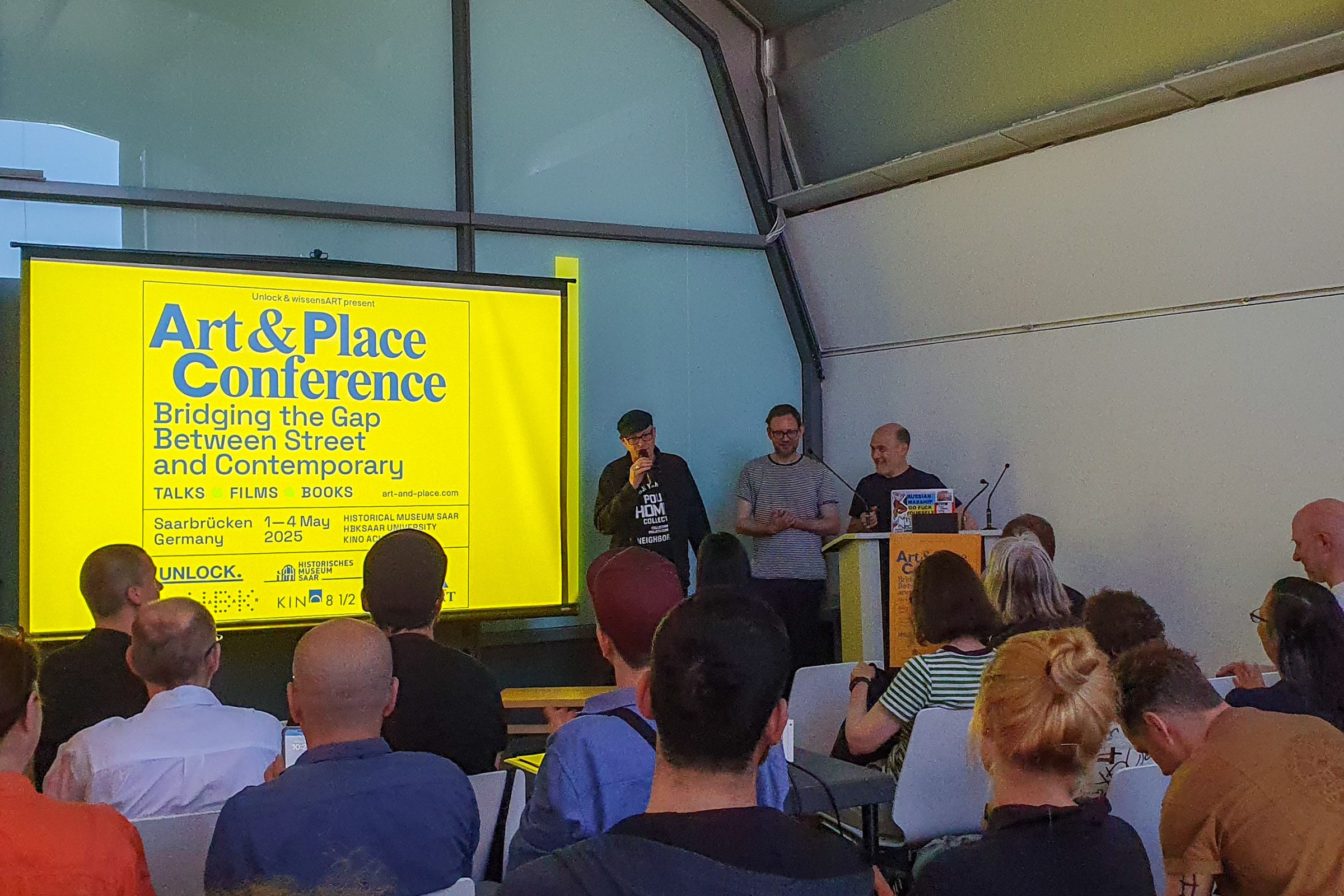
The Art & Place Conference took place in Saarbrücken from May 1 to 4, 2025. It brought together leading international experts from the fields of street art, graffiti and art in public space to exchange views on current developments and (new perspectives on) historical interpretations. The focus was particularly on the site specificity of the art forms and subsequent practices. The event was organized by the Unlock Bureau (Javier Abarca), Stiftung Wissensart (KP Flügel) and art historian Dr. Ulrich Blanché from the University of Heidelberg, who also curated the exhibition „ILLEGAL: Street Art Graffiti 1960-1995“ at the Historisches Museum Saar. The event was accompanied by a varied supporting program, including film screenings at Saarbrücken’s arthouse cinema Achteinhalb, a book fair (Unlook Book Fair, Le Gran Jeu, etc.), art interventions (OX, Antonio Gallego, Mathieu Tremblin) and guided tours of selected locations such as the Völklinger Hütte and the aforementioned “Illegal” exhibition.
A wide range of lectures: from aesthetics to appropriation to institutionalization
More than 20 speakers from Europe, America, and Australia – including Barrett Zinn Gross, also known as Vandal, the legendary New York subway artist of the 1970s – presented a wide range of perspectives on street art and graffiti. These included topics such as the aesthetics of female street art in Russia, outsider art, interventions in public spaces, cultural jamming, musical interconnections, as well as issues of gentrification and appropriation. The conference theme, the site-specificity of street art and graffiti, was sometimes more, sometimes less in focus.
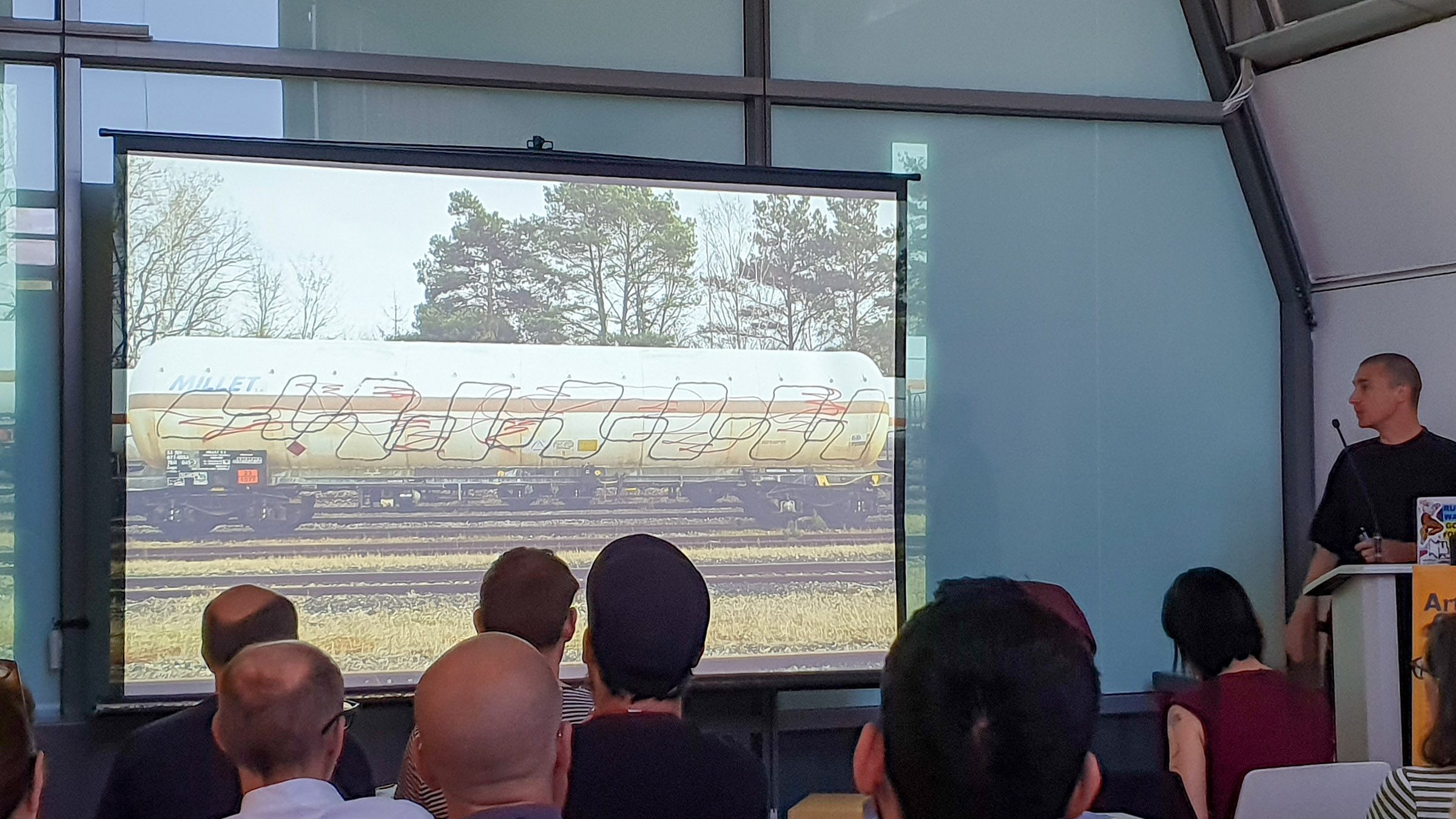
The reference became obvious in the first session “Abstract paintings on trains”. Nicolas Ciarlone shed light on the relationship between railway infrastructure and train writing using the example of Cannolo Merce’s train works – with a special focus on production sites, production practices and aesthetics. Merce’s train works are characterized by simple lines, which are condensed in monochromatic and minimalist work (series). According to Ciarlone, Merce’s train works are explicitly not abstract graffiti in terms of formal aesthetics. Rather, they reflect the linear infrastructure of the railroad system – or as Ciarlone put it: “they echo the site of production.” However, site-specificity is not only reflected in the aesthetics, but also in the underlying production practices. Navigating railway infrastructure requires specialized knowledge: entrances must be located, long distances often need to be traversed, and even the rhythm of one’s footsteps must adapt to the prevailing conditions (e.g., the tracks). This infrastructure, therefore, not only shapes the work on a formal-aesthetic level but also imposes a physical or production-aesthetic dimension. In conclusion, Ciarlone poses the question: Can we truly still refer to such production sites as public spaces? And if not, what are they?
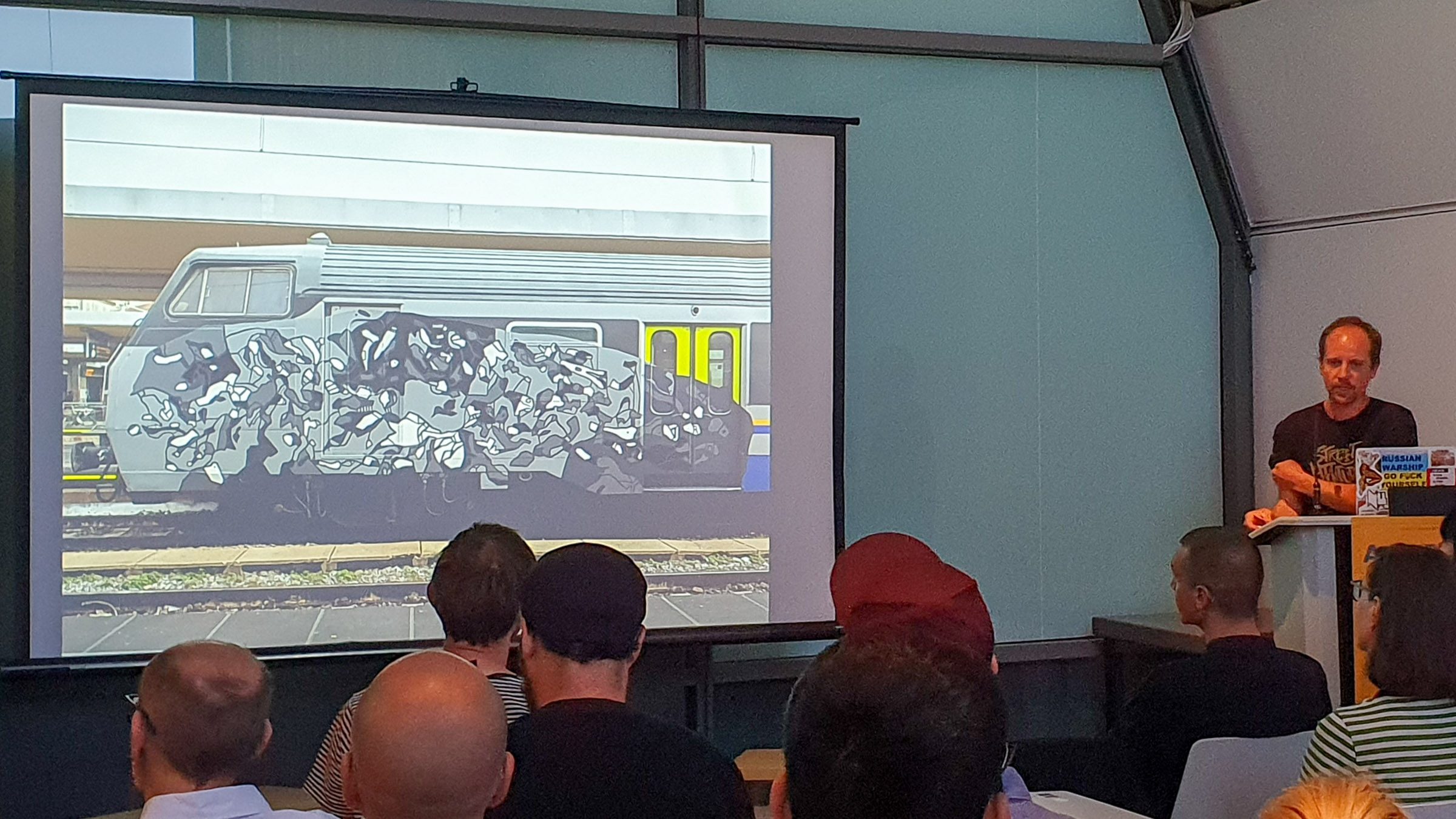
Luca Giocosa links up with this and brings another dimension into play: Photography. As a photographer, he accompanies a befriended writer during his activities and develops a very special connection to places – be it the fog-shrouded train yard at night, which requires a very special use of light and shadow, or the train station, where he sometimes waits for hours, even days, until he gets the desired object – the painted train – in front of the camera lens. For Giacosa, the artwork is only completed in the photographic documentation, which captures time, place and emotional situation.
The discussion became particularly lively during the final panel on the topic of institutionalization. The panelists discussed what constitutes good curation, how ‘the street’ can be translated into the interior (or not) and what active role institutions play in the street art and graffiti ecosystem. Is a (freelance) curator per se a representative of the institution? Or is he or she not just as dependent on the structural framework conditions of the art system, the city, etc.? What tensions does the curator navigate, and what expectations and attributions need to be balanced, without throwing their own convictions and values overboard? Ultimately, there were more questions than answers – but they did provide some refreshing and thought-provoking impulses.
The final panel thus ultimately reinforced what was already apparent in the previous panel on “Street Art and Gentrification”: understanding street art and graffiti requires far more than a (purely) formal aesthetic analysis. Rather, it is essential to examine their site-specificity and situational context, as well as the practices of production, reception, (re)appropriation, instrumentalization, and institutionalization that surround them. This includes the consideration of their extension into media space. The conference theme thus addressed one of the central breaking points in the discussion on street art and graffiti right from the beginning by focusing on site-specificity and its multi-layered implications.
“ILLEGAL: Street Art Graffiti 1960-1995” exhibition at the Historisches Museum Saar
In his “Illegal” exhibition, renowned art historian Dr. Ulrich Blanché devoted himself to in-depth research into the early history of street art and graffiti, even before it became a public and commercial phenomenon. Blanché dispelled a number of myths that persist in the scene. For example, that the inspiration for the British street art star Banksy did not come from the French pioneer Blek le Rat, as is often claimed. Rather, the connections and sources of inspiration run along completely different, surprising paths, according to Blanché on his guided tour.
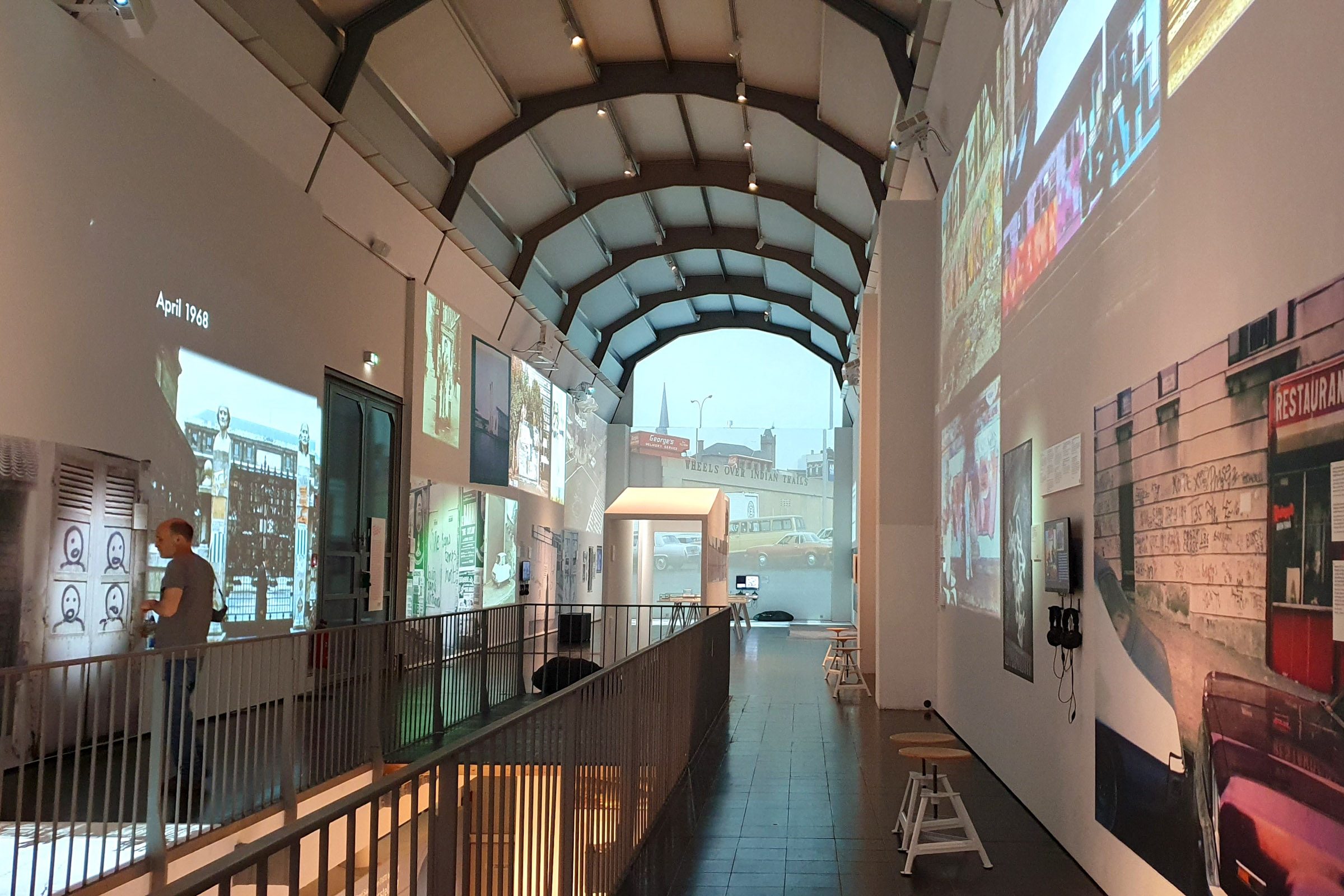
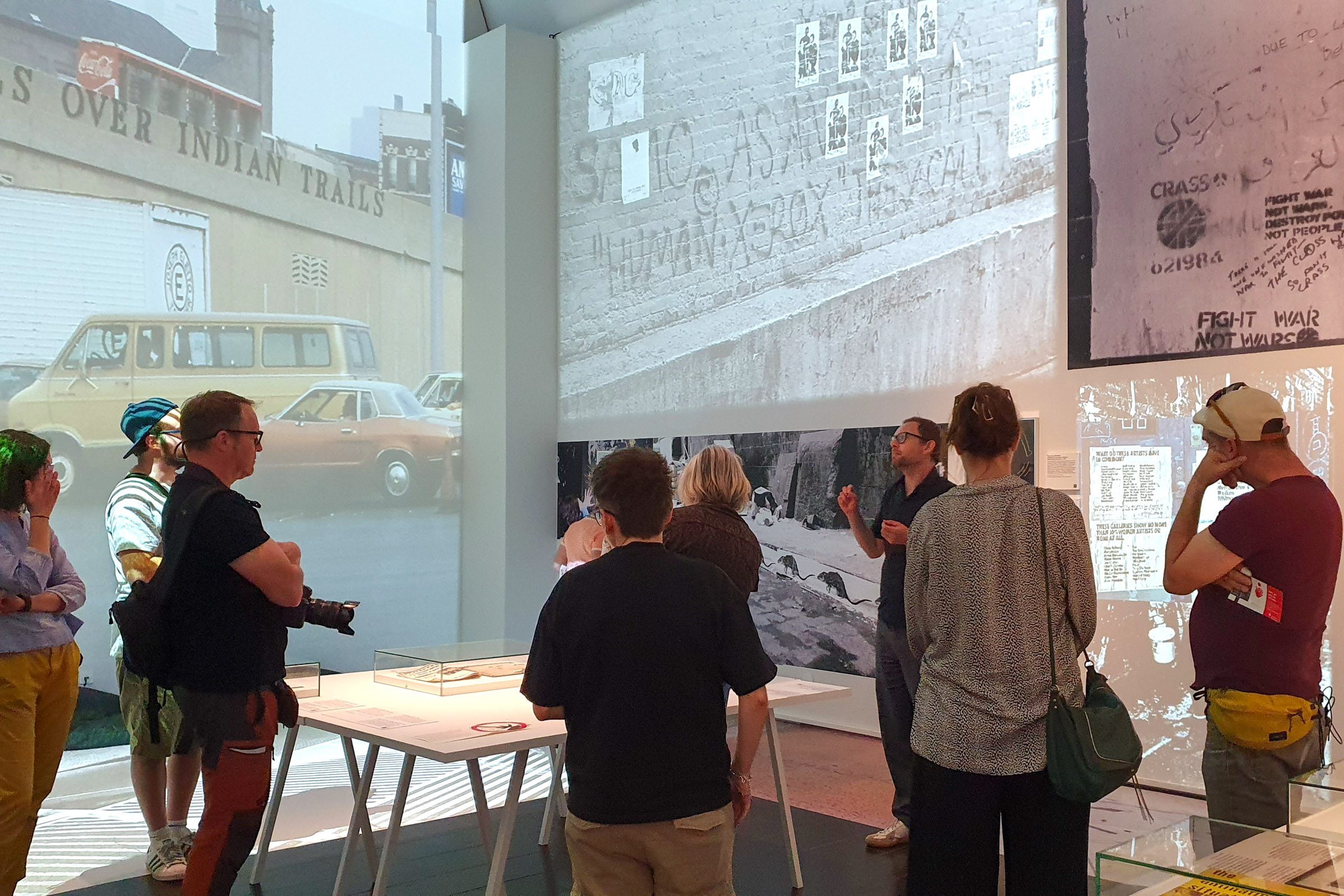
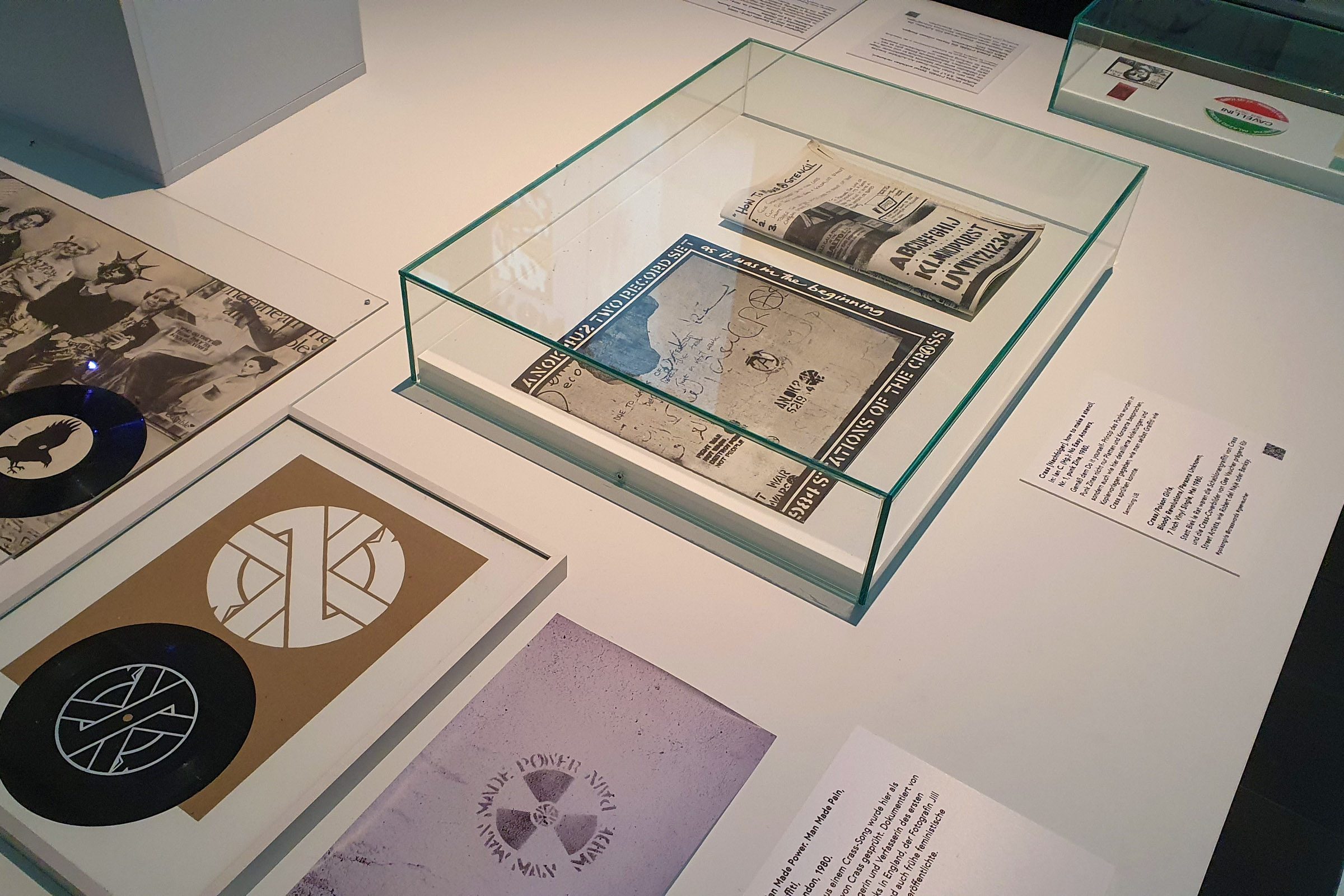
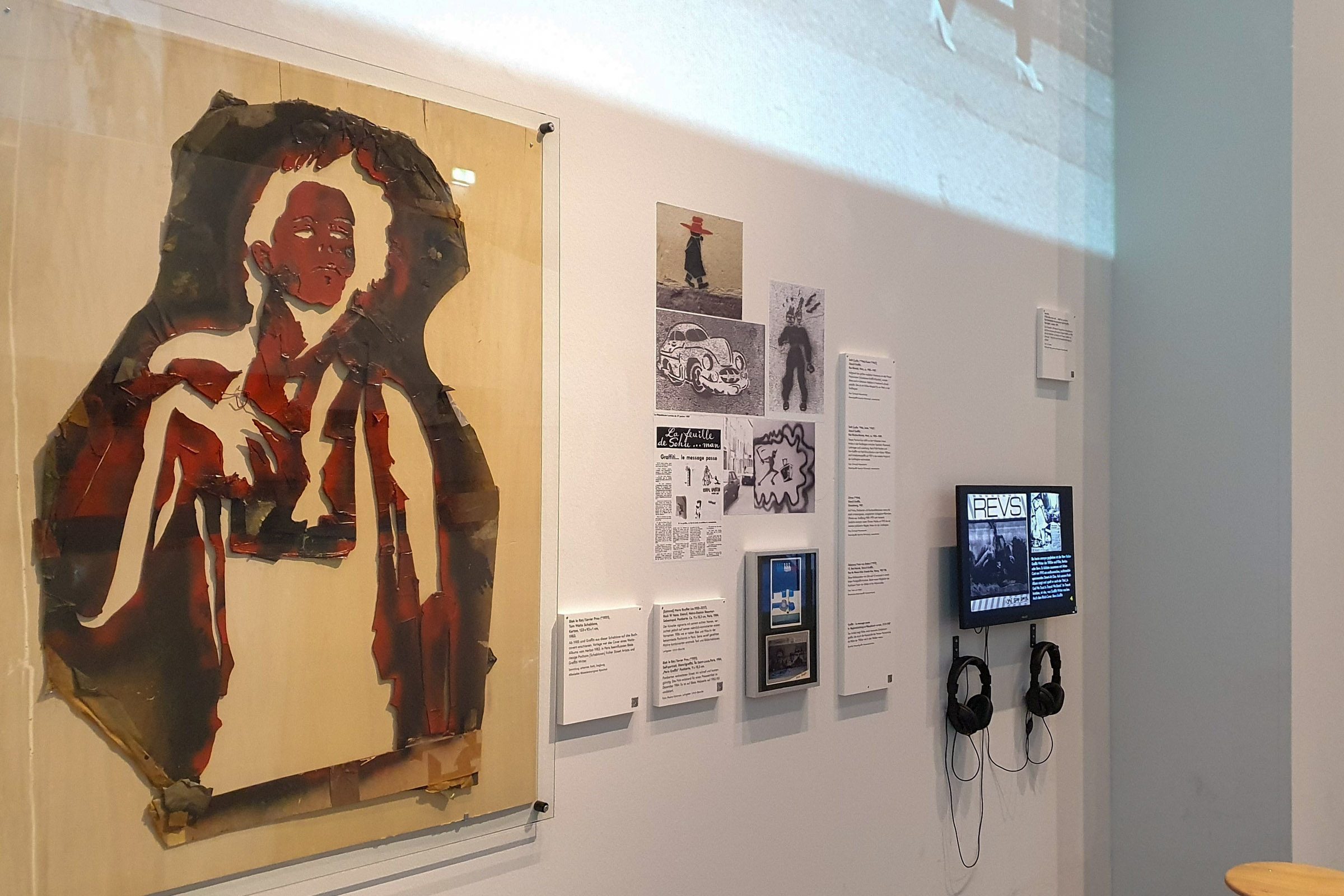
The exhibition proved to be a carefully curated, multimedia ‘Gesamtkunstwerk’: projections on walls and floors, videos, record covers, detailed replicas and original stencils created an authentic atmosphere. The expertise and enthusiasm with which Blanché guided visitors through the exhibition was particularly refreshing: he frequently pointed out intersections and drew connections between content, dates, events, and artifacts – opening up completely new perspectives. With his groundbreaking exhibition and research into early street art before 1995, Blanché developed a multi-layered network of connections and revealed artistic and cultural interdependencies that had previously remained undiscovered. Blanché succeeded in writing a whole new chapter in art history with his research into the early history of street art. His detailed analysis will henceforth be considered the status quo in the historiography of street art, and his accompanying exhibition catalog will become an indispensable reference work.
Between urban art and street stories: Völklinger Hütte x Die Gesellschaft der Stadtwanderer
The UNSECO World Heritage Site Völklinger Hütte is worth a visit even without the ongoing “Urban Art Biennale” – but even more with it. The guided tour through the huge industrial monument with its unique, rough aesthetics opened up many photo opportunities and lead past some well-known and some less well-known (monumental) murals. No less interesting, however, was the walk along the studios of the local art academy, which provided an authentic insight into the creative process of the students.
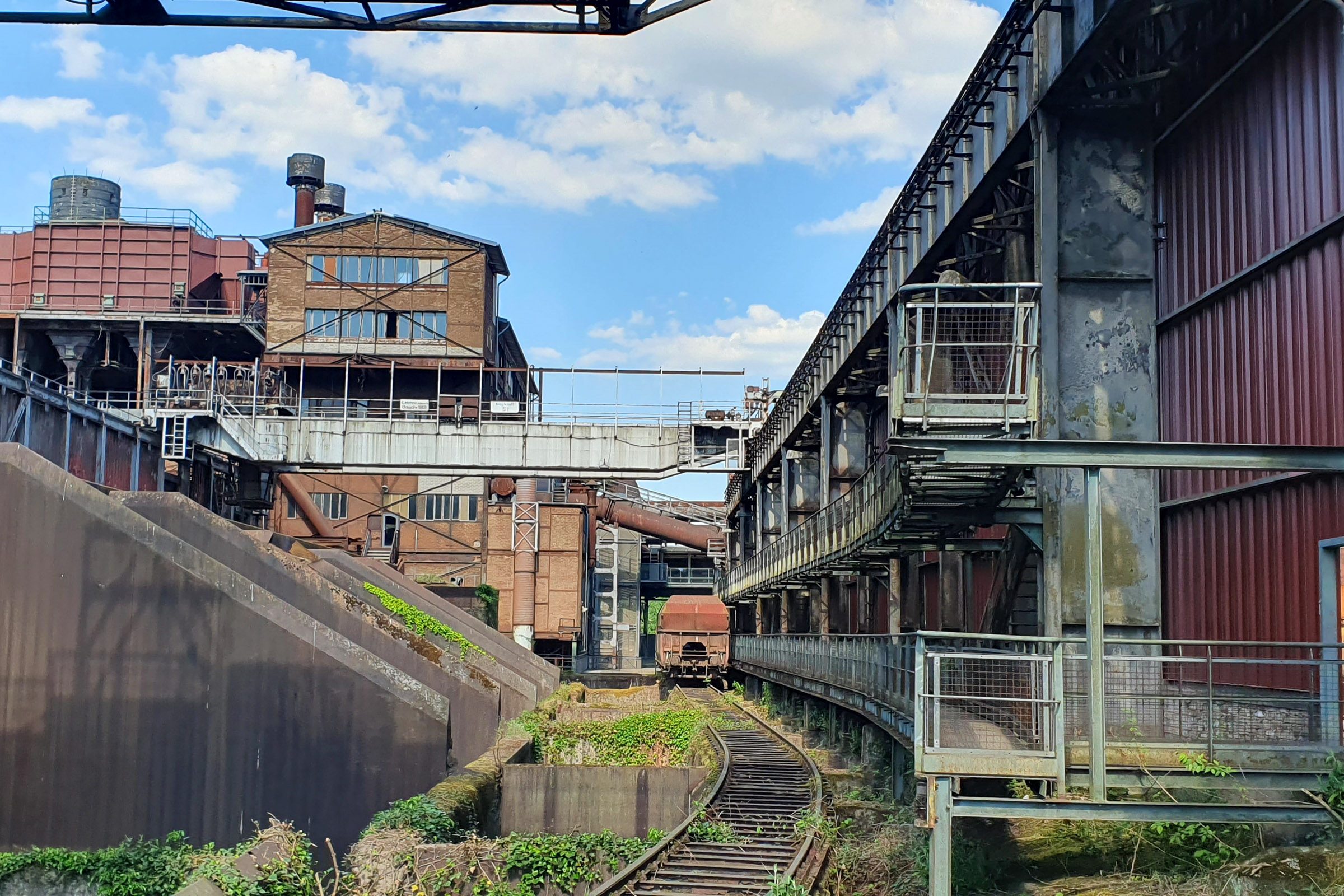
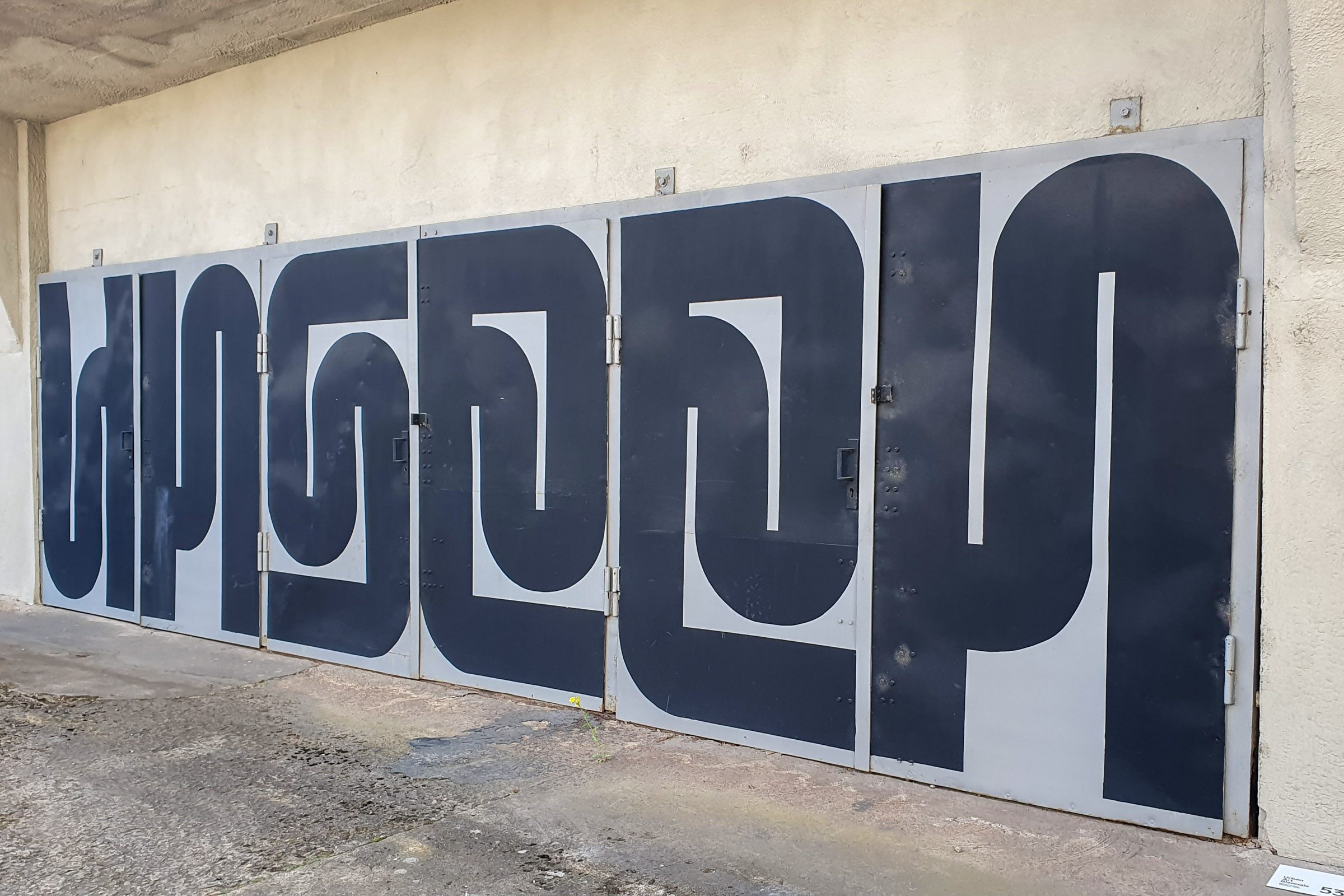
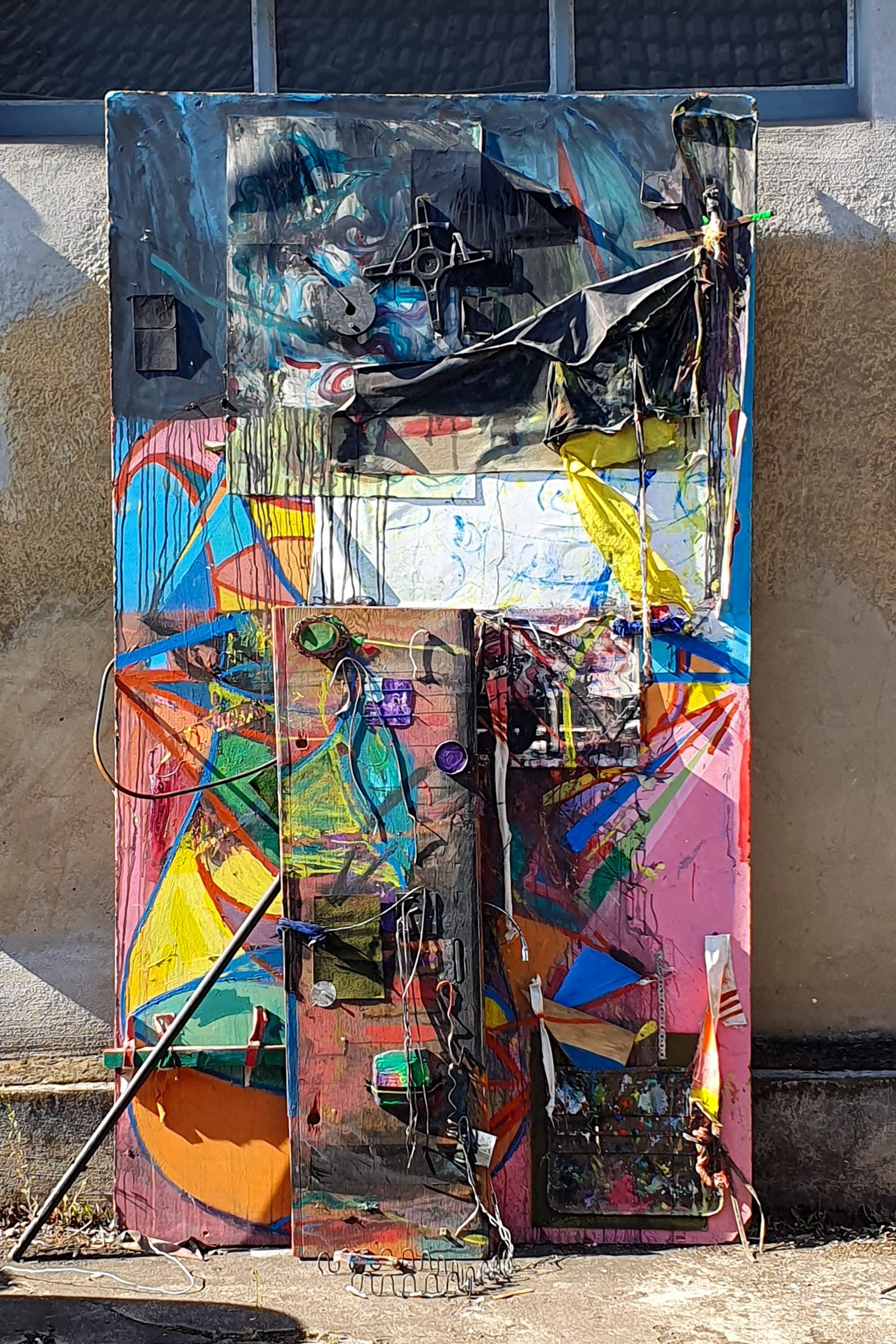
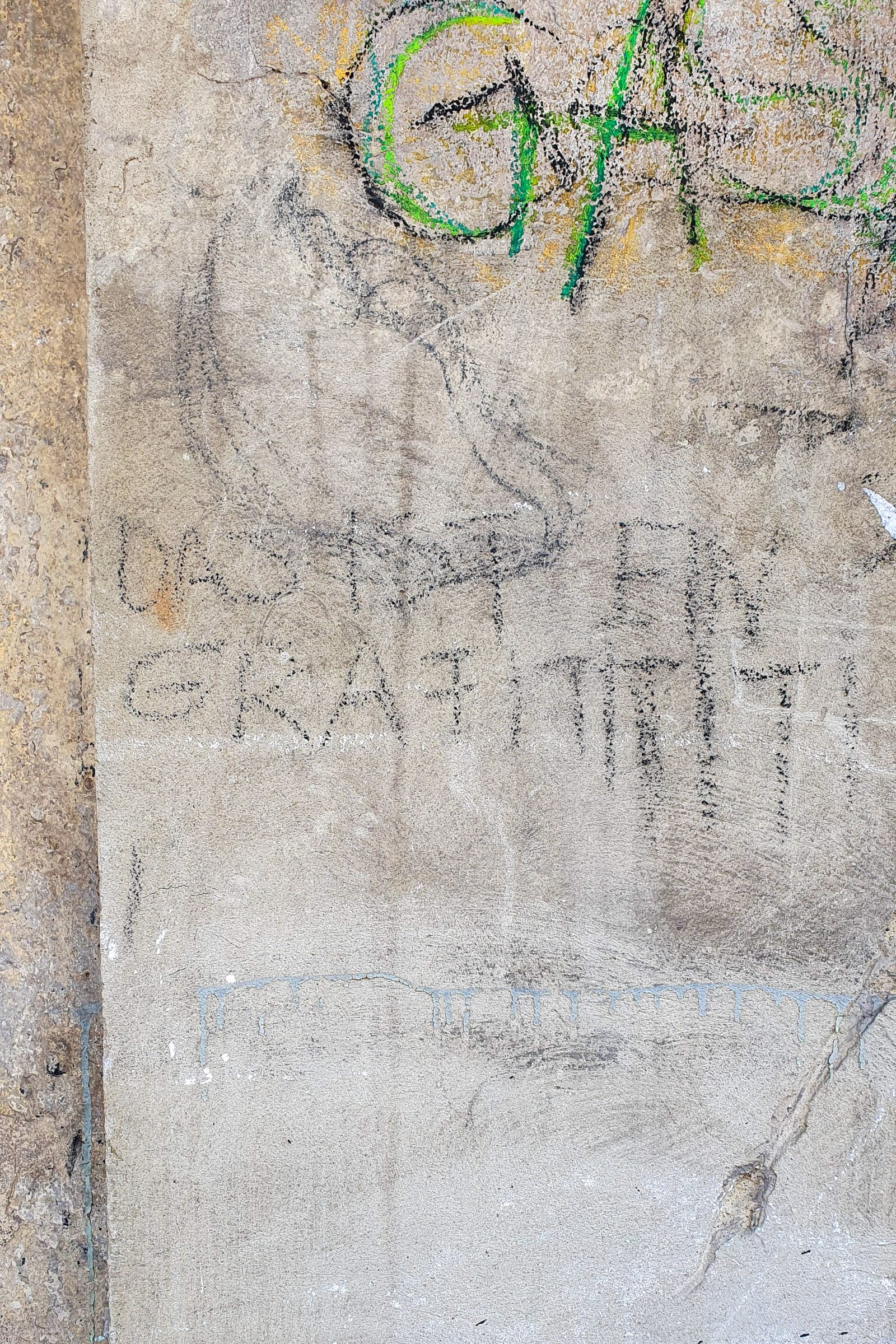
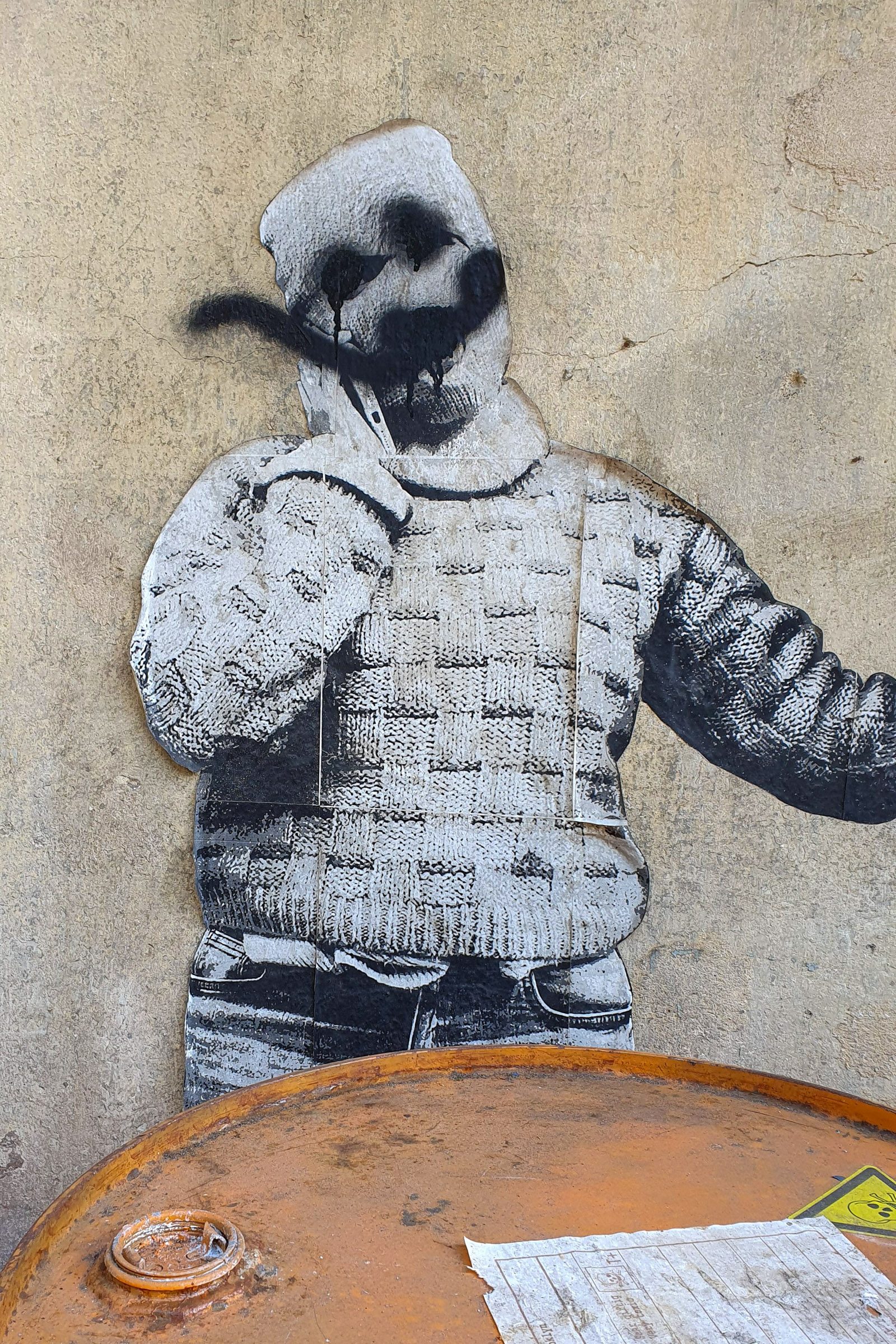
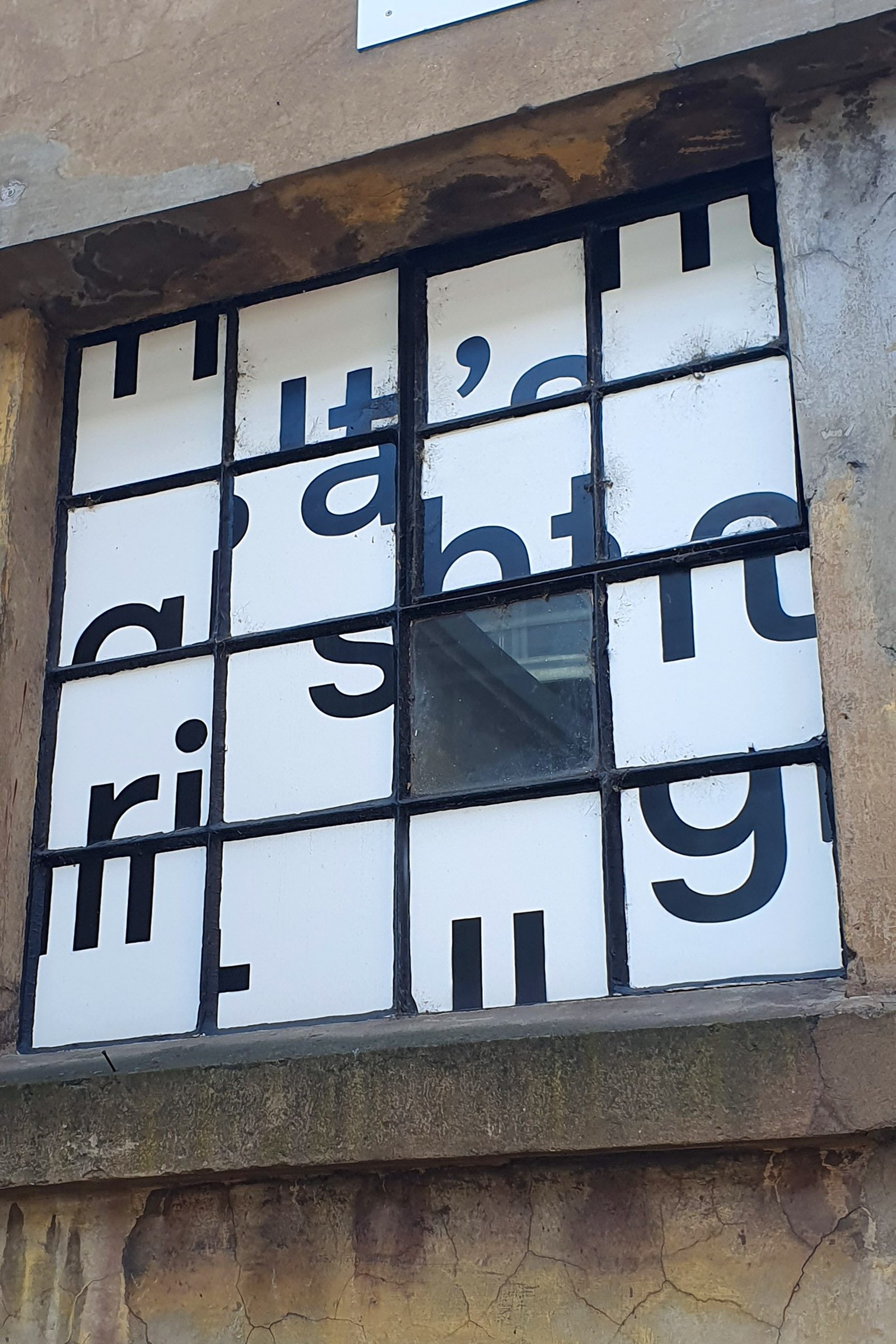
But while the Völklinger Hütte is an impressive monument to industrial history and an encounter with art, French artist and curator Matthieu Tremblin made clear that the true story of Völklingen is not only told within this cultural space. In his guided tour, Tremblin deliberately drew attention away from the World Heritage Site and into the town of Völklingen itself – taking us past the giant shopping mall “Globus”, which for years has marked a physical and symbolic boundary between the town and the museum. The route led through districts with disused stores that bear witness to economically more vibrant times, through narrow alleyways and hidden courtyards to seemingly abandoned, so-called ‘non-places’.
The background? In 2024, Tremblin launched the project „Die Gesellschaft der Stadtwanderer“, during which a group of international artists carried out seventy subtle interventions in Völklingen’s urban space. Inspired by anonymously shared micro-stories from local residents, these works were documented on a publicly accessible open-source map, inviting people to rediscover the city from a new perspective.
These subtle interventions deal with the historical and cultural identity of the city. They expand this identity with individual and collective narratives and open up new perspectives on what memory and belonging can mean in urban space. At the same time, they are characterized by a finely balanced execution: The degree of physical intervention remains minimal and often reversible, so that they do not represent provocative damage to property, but enter into a dialog with public space.
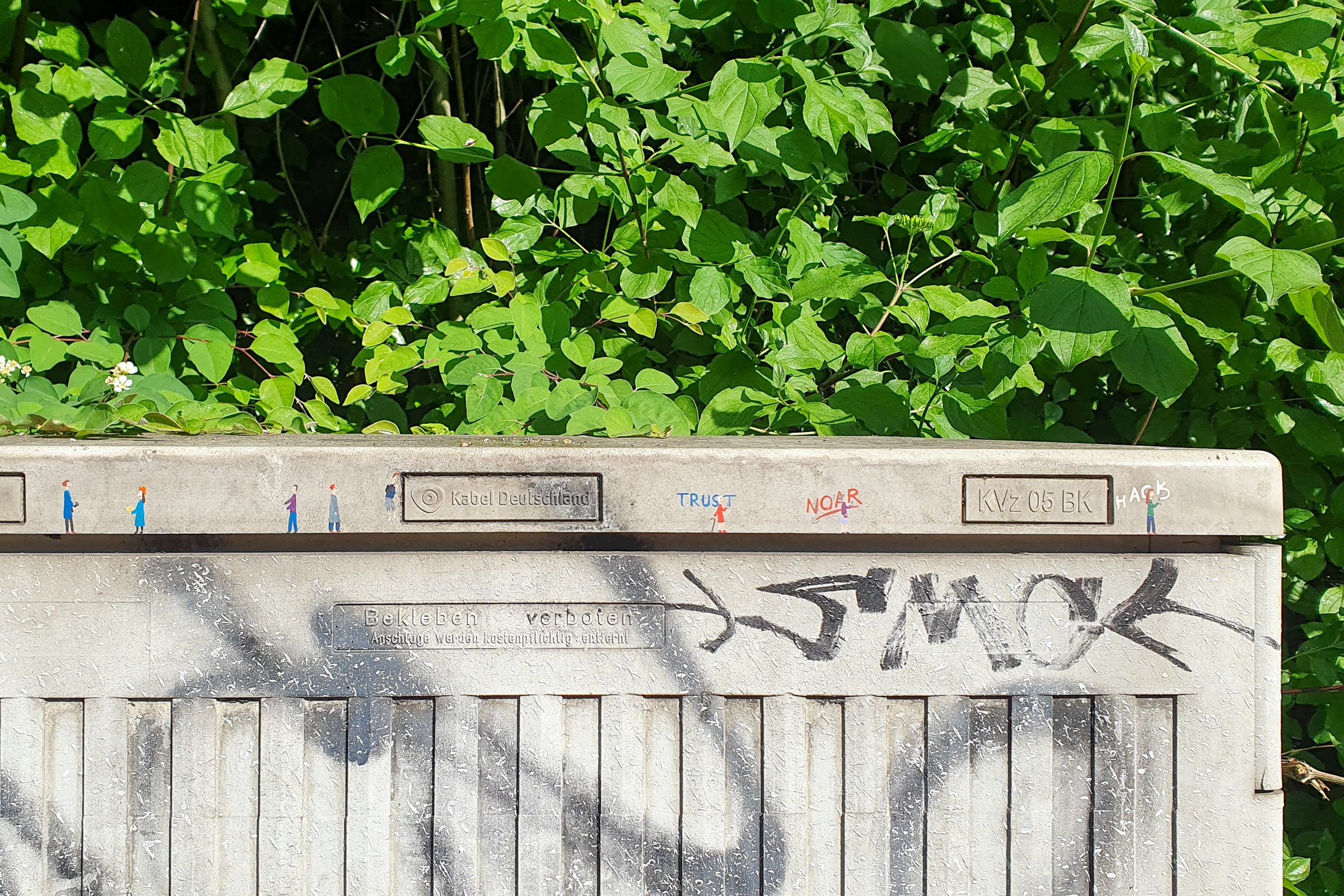
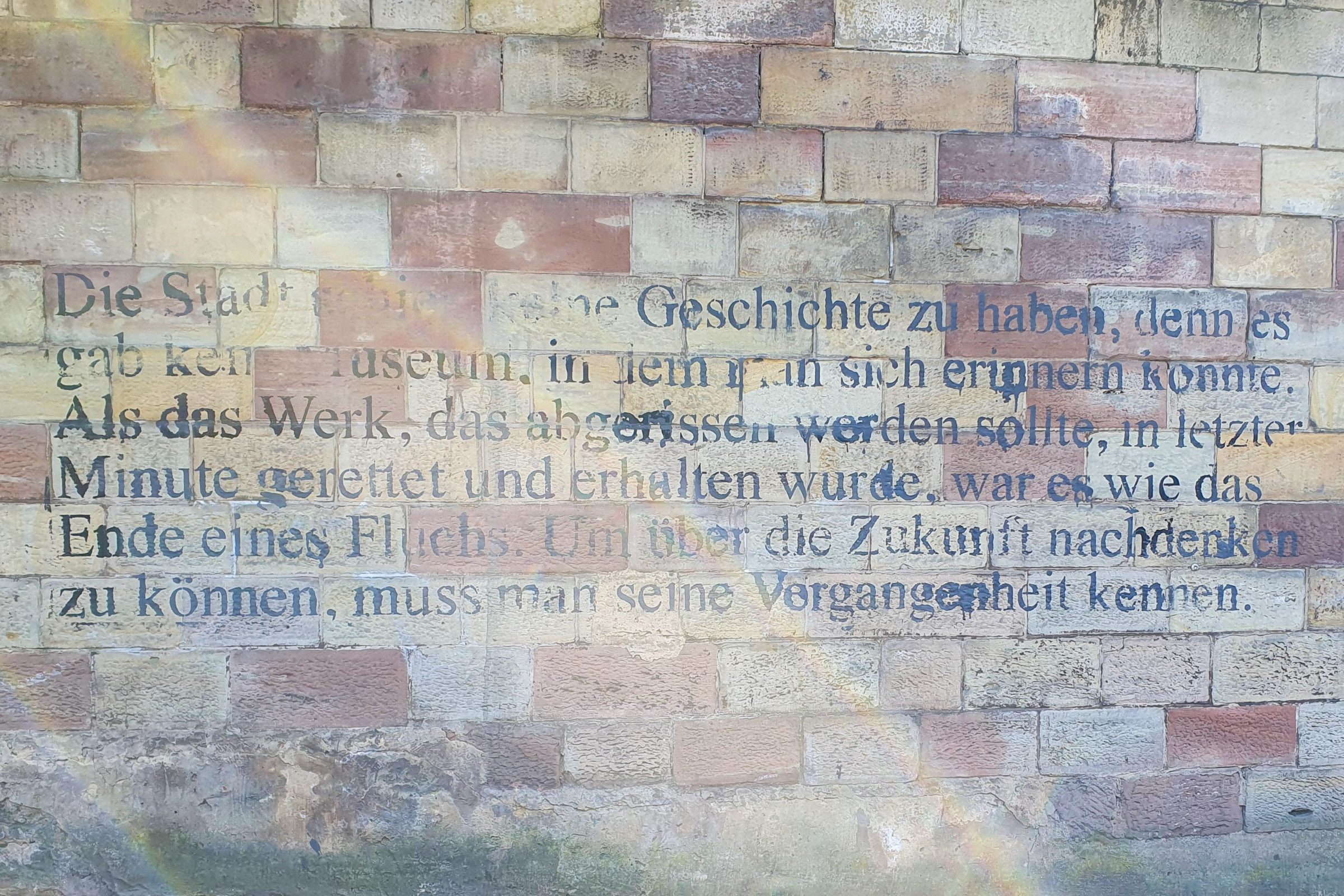
Tremblin’s project “Die Gesellschaft der Stadtwanderer” shows how art is not only to be found in museum spaces, but can be subtly and elegantly interwoven with the inconspicuous places of everyday life. It shifts the focus to seemingly unremarkable places in Völklingen, offering them a renewed perspective – and in doing so, it revitalizes the spirit of community and remembrance within the town.
Unlook Book Showcase and Artist Residencies: Interdisciplinary text and image fragments
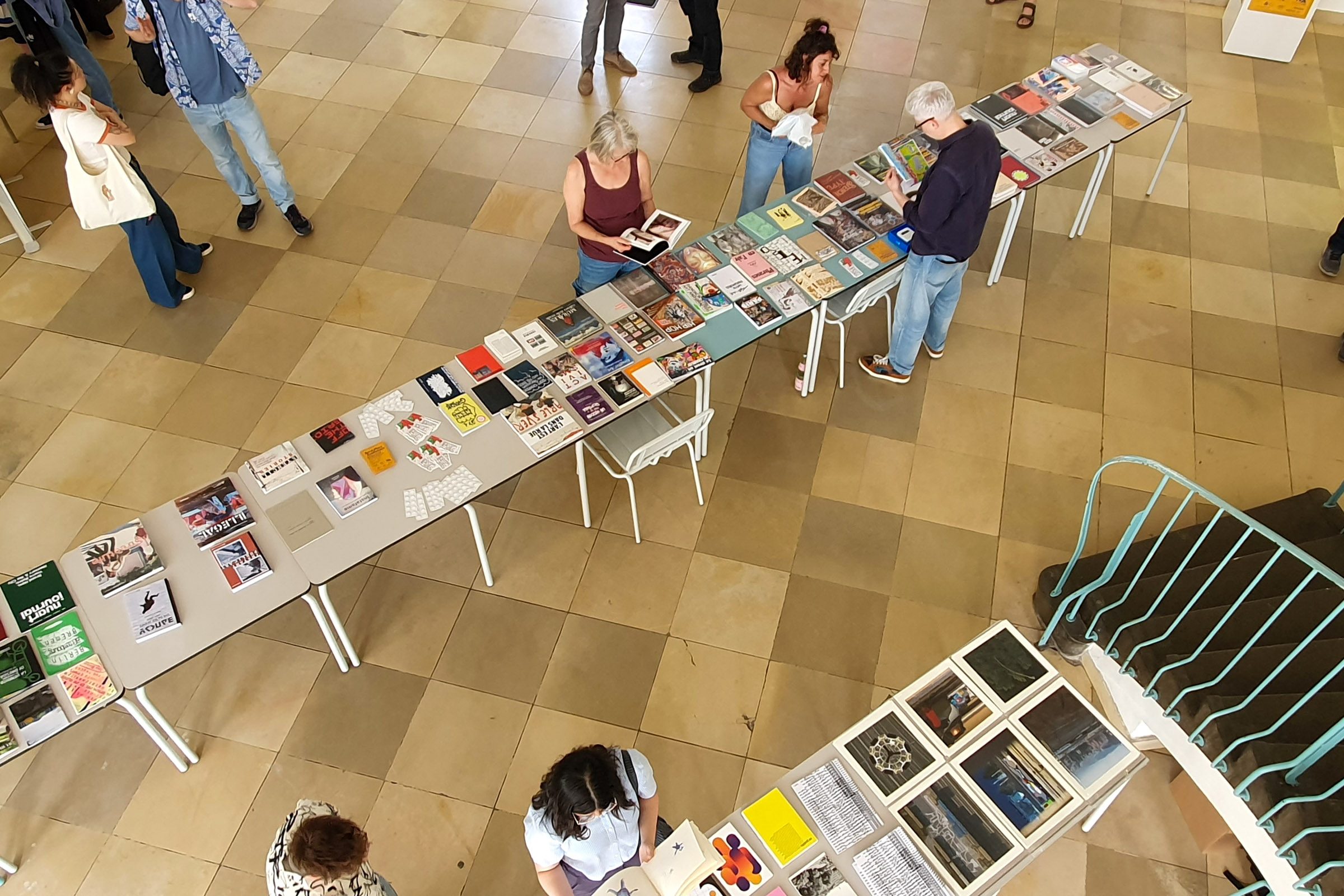
A small book fair ran alongside the conference, offering visitors a curated selection of publications and collector’s items, some of which were exclusively available. The selection ranged from academic publications to illustrated books, magazines and catalogs, inviting visitors to browse, read and buy. It was a real feast for enthusiasts of street art and graffiti publications. The fair was organized in collaboration with the renowned Parisian bookstore Le Grand Jeu.
Meanwhile in Saarbrücken, various street art pioneers provided subtle artistic interventions: French artist OX installed a series of commissioned works on pillar-shaped billboards. His works, which are known for their playful use of advertising and urban forms, fit seamlessly into the cityscape and invited viewers to perceive the space in a new way. At the same time, OX was also represented in the Kunstraum Automat, allowing his works to bridge the gap between art in public and museum spaces. Antonio Gallego, a member of the historic French collective “Banlieue-Banlieue”, merged archive-based art and site-specific interventions in urban space: His works, which were based on historical documents and urban narratives, reflected both the past and the present of urban space, thus emphasizing the interaction between history and contemporary art.
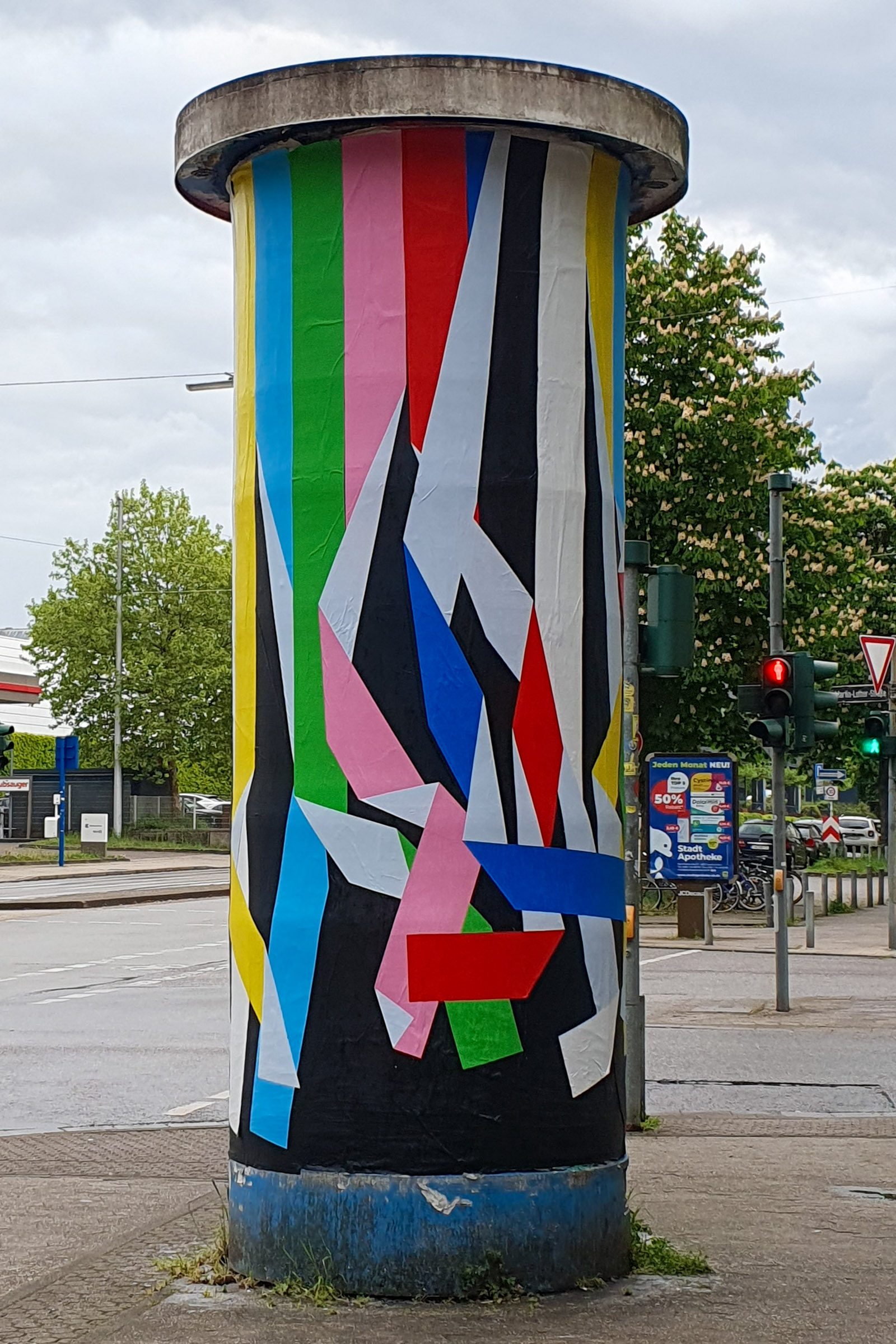
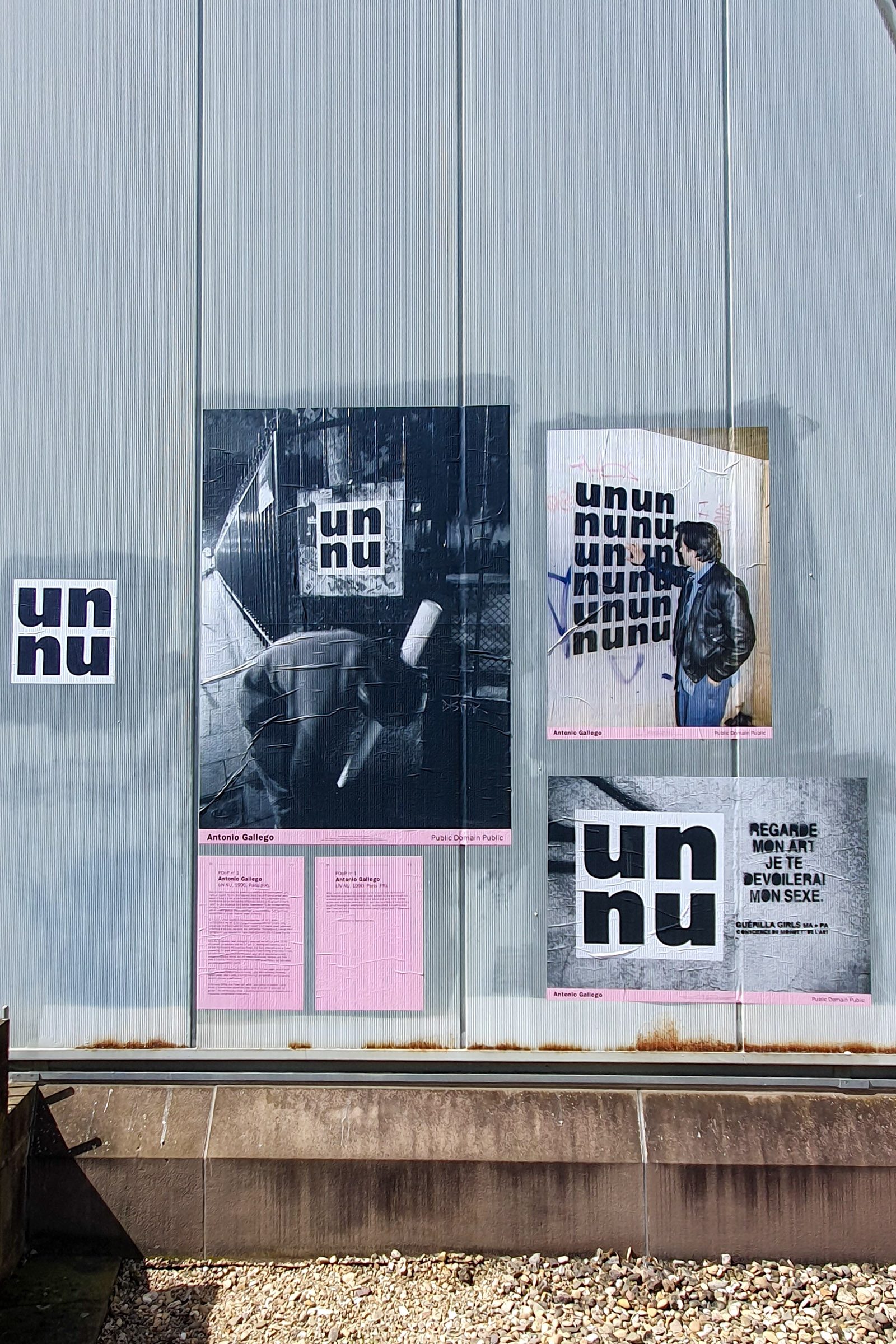
In this way, the book fair and the artistic interventions served as complementary elements of the conference program, providing participants with direct access to the visual and material culture of these scenes – supplementing the theoretical and discursive exploration of street art and graffiti.
A cinematic closing
The conference concluded with a multifaceted film program that showcased the diversity and societal impact of urban art from a variety of perspectives, sometimes offering entirely different angles. One notable example was the film „Written in Chalk. The Echo of Arthur Stace“ (2022) by Australian producer Richard Attieh, which explored the history of the iconic “Eternity” lettering, recognized far beyond Sydney’s city borders. The film documents the personal story of the man behind this iconic word and shows how its seemingly simple message is deeply embedded in the city’s cultural identity.
Or the film „Here and Not Elsewhere“ (2023) by director Kristina Borhes, which chronicles the evolution of the French festival Bien Urbain in Besançon. Borhes not only reflects on the motives and values that define this renowned festival but also delivers a cinematic homage to the artistic and social dynamics that shape its identity.
With “With One Eye Open” (2024), Dutch curator Jasper Van Es steered the film program in an entirely different direction. Created as an extension and companion piece to the exhibition of the same name, the film weaves together graffiti, photography, and cinema into a creative dialogue –employing a completely different film-aesthetic vocabulary. Through a multi-perspective reflection on the role of photography within graffiti, the film explores how documentation not only extends the work of art but also becomes an artistic process in its own. Put differently, the film presents itself as a multi-faceted homage to photography’s role in graffiti, artfully staged through the lens of the video camera. Its visual narrative deliberately plays with aesthetics, perspective, and emotion, creating an engaging intersection between these distinct disciplines.
Art & Place: Echo and vision
The “Art & Place” conference in Saarbrücken provided the international academic street art and graffiti community with a valuable platform. Through its diverse program – ranging from in-depth historical analysis and fresh perspectives to creative venues like the Völklinger Hütte, film screenings and a book fair – the conference highlighted the rich and multifaceted nature of urban art studies. It encouraged attendees to view street art and graffiti as integral parts of a broader cultural narrative; layered, dynamic, and consistently engaged in dialogue with contemporary discourses. Ultimately, however, “Art & Place” was, above all, what gatherings of this kind are truly about: Exchange. Community. Inspiration. And a vision that has gradually, yet thoughtfully, been institutionalized – without becoming rigid.


Leave a Reply